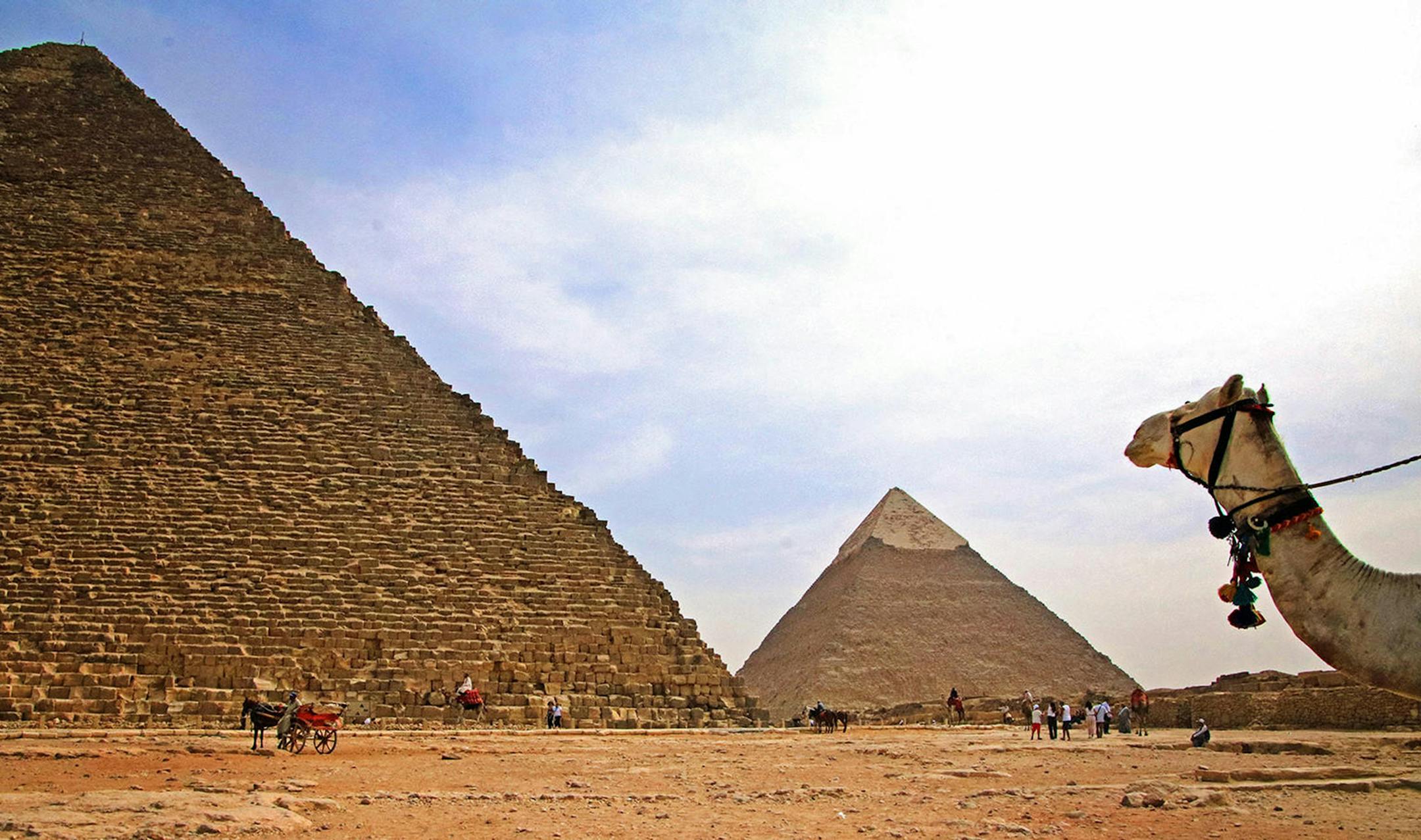
Let's hope the "mummy's curse" isn't real. Because I'm crouching through a claustrophobic 125-foot-long tunnel inside Egypt's iconic Great Pyramid on my climb to its 4,500-year-old royal burial chamber. Dangling from my necklace is an amulet charm — the protective Eye of Horus — because you can't be too sure in this myth-mesmerizing land of powerhouse pharaohs and ominous gods.
"People feel strong energy inside the pyramid," forewarns Mohammed Bayoumy, an Egyptologist who is my guide. "It is the last standing monument of the Seven Wonders of the Ancient World."
He notes that within the conical confines, scientists have discovered a magnetic field that can supposedly cure diseases, sharpen a dull razor in a week and preserve an apple for two weeks unchanged.
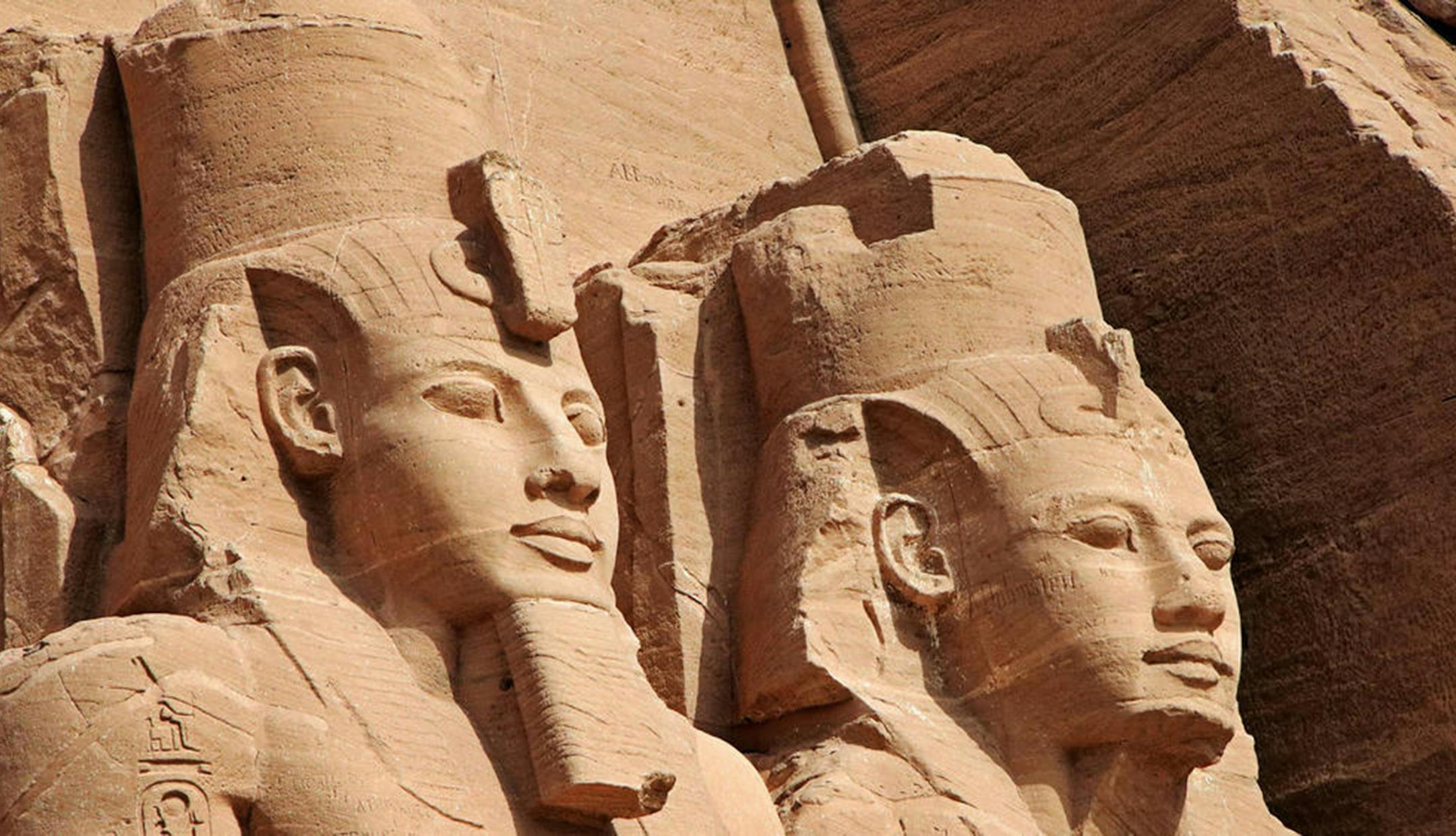
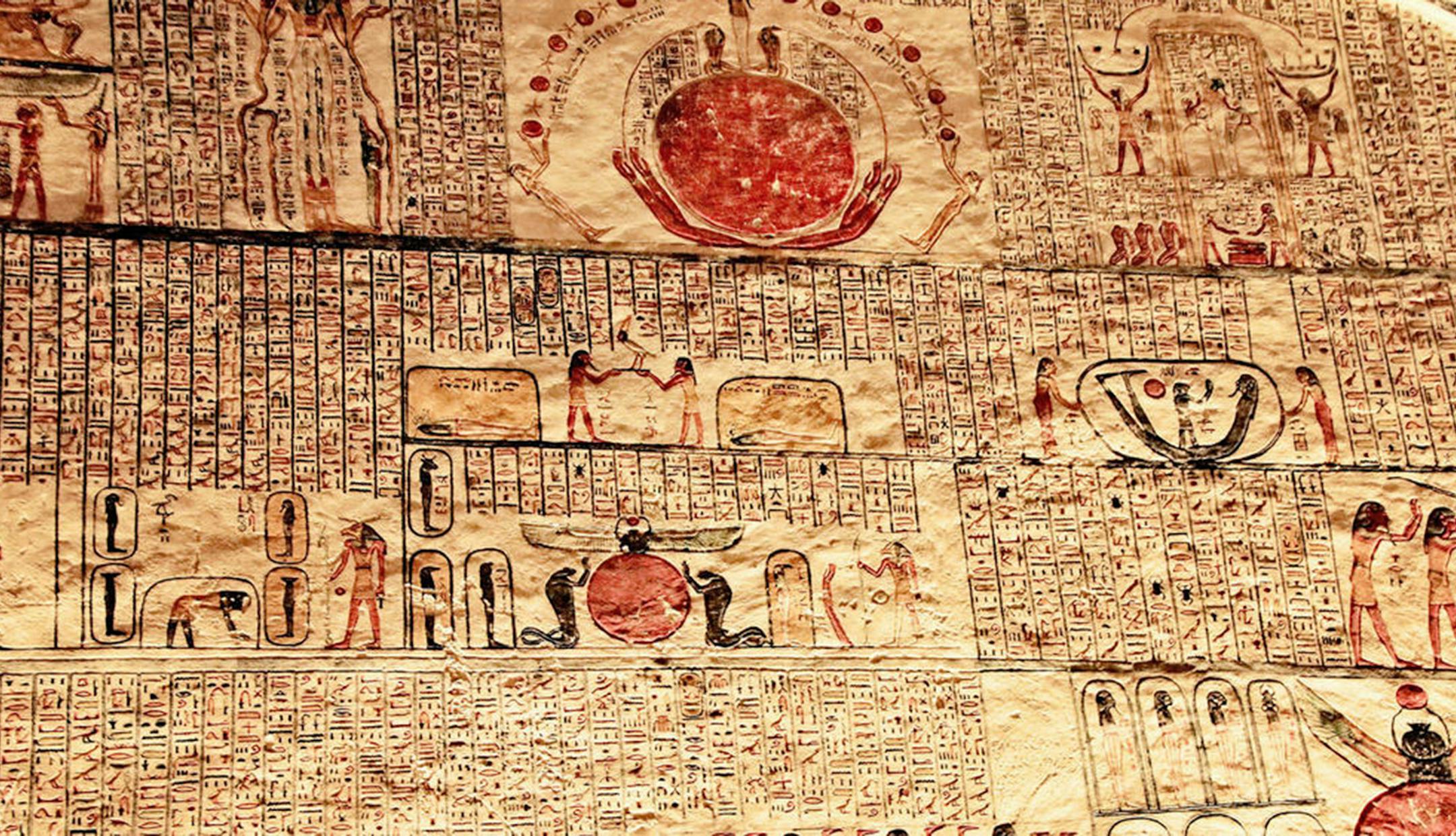
For 12 days, it seems like I'm on a movie set as my small-group tour explores grandiose temples, magnificent tombs, ghostly catacombs and well-preserved bodies of Egypt's extraordinary, sophisticated, age-old civilization. I'm blown away by the sheer volume of mural-emblazoned, hieroglyphic-embellished monuments that whisk us back to when VIPs were a cow-headed goddess, a vulture-headed god, a sky goddess, a falcon-faced god (that would be Horus, who lost his eye battling evil) and hundreds more of their mystical ilk. We've entered a long-vanished world — or underworld.
At the necropolis Valley of the Kings, I descend to King Tut's famed subterranean tomb and get the willies staring at his humanlike mummy with buck teeth. Along the palm-fringed Nile River, we amble through an elaborate colonnaded shrine dedicated to Sobek, the revered crocodile god; it's here that we gape at a dozen unwrapped crocodile mummies, some once adorned in lavish jewelry.
As for the living, Egyptians are very welcoming. Locals keep asking me to pose with them for selfies — in this Muslim country, a white American woman (me) is a novelty for a giggling crush of cloaked hijab-wearing teen girls at the island Philae Temple and for soccer-playing boys outside a McDonald's.
Tourism, still plagued by terrorist fears, is slowly rebounding after plummeting following Egypt's 2011 political uprising and subsequent Islamic extremist attacks. I never feel unsafe. My biggest worry are the gantlets of notoriously aggressive souvenir peddlers who drape you in Queen Nefertiti-print scarves and other wares before you blink.
One evening, in what could be a scene from a Marx Brothers comedy, I frantically sprint through Luxor's open-air bazaar with a string of kaftan-clad vendors in pursuit waving alabaster bowls, T-shirts and Tut figurines. (Lesson learned: Never answer "Maybe" when asked "Maybe later?" and then go back the same route. They await.)