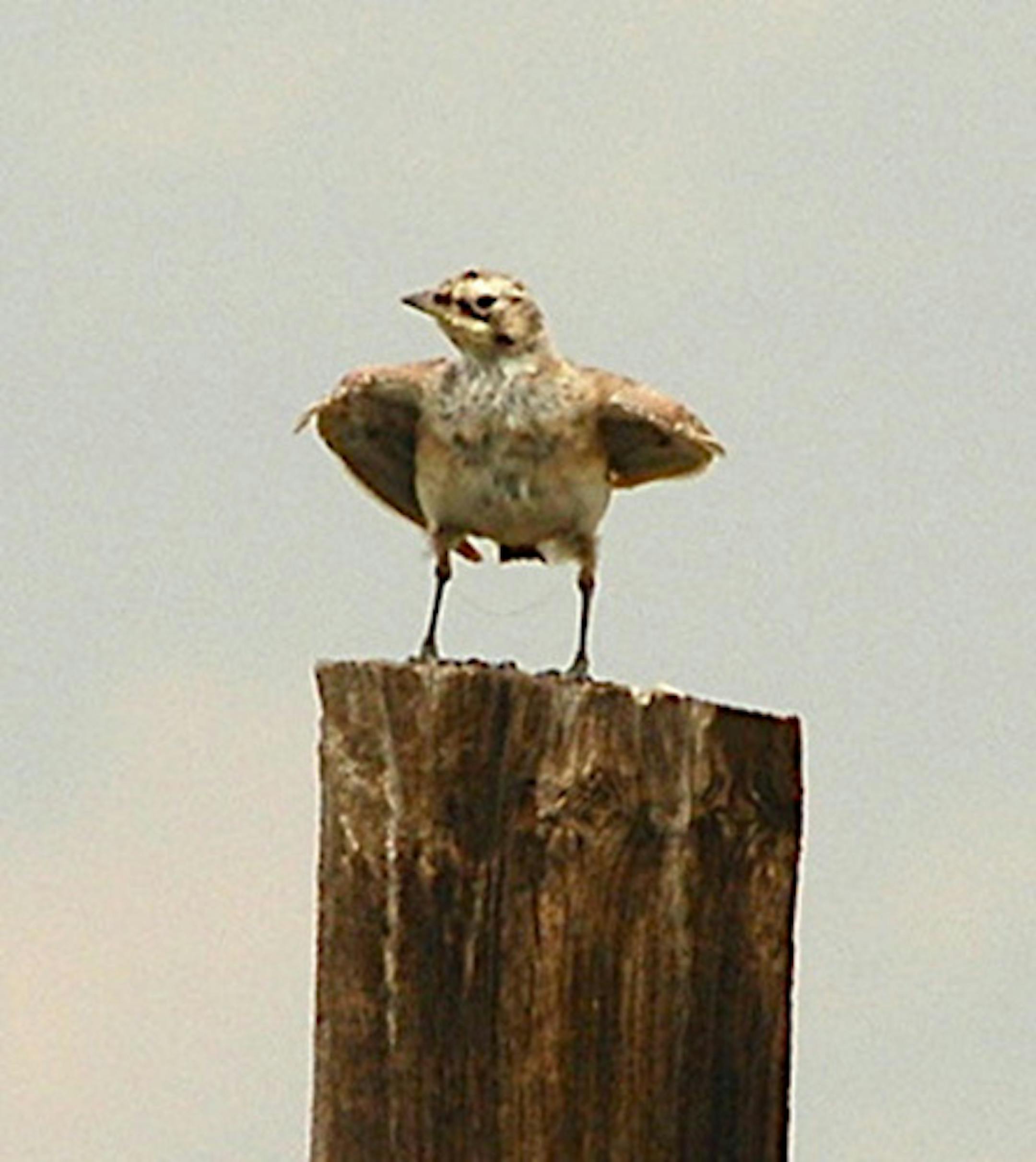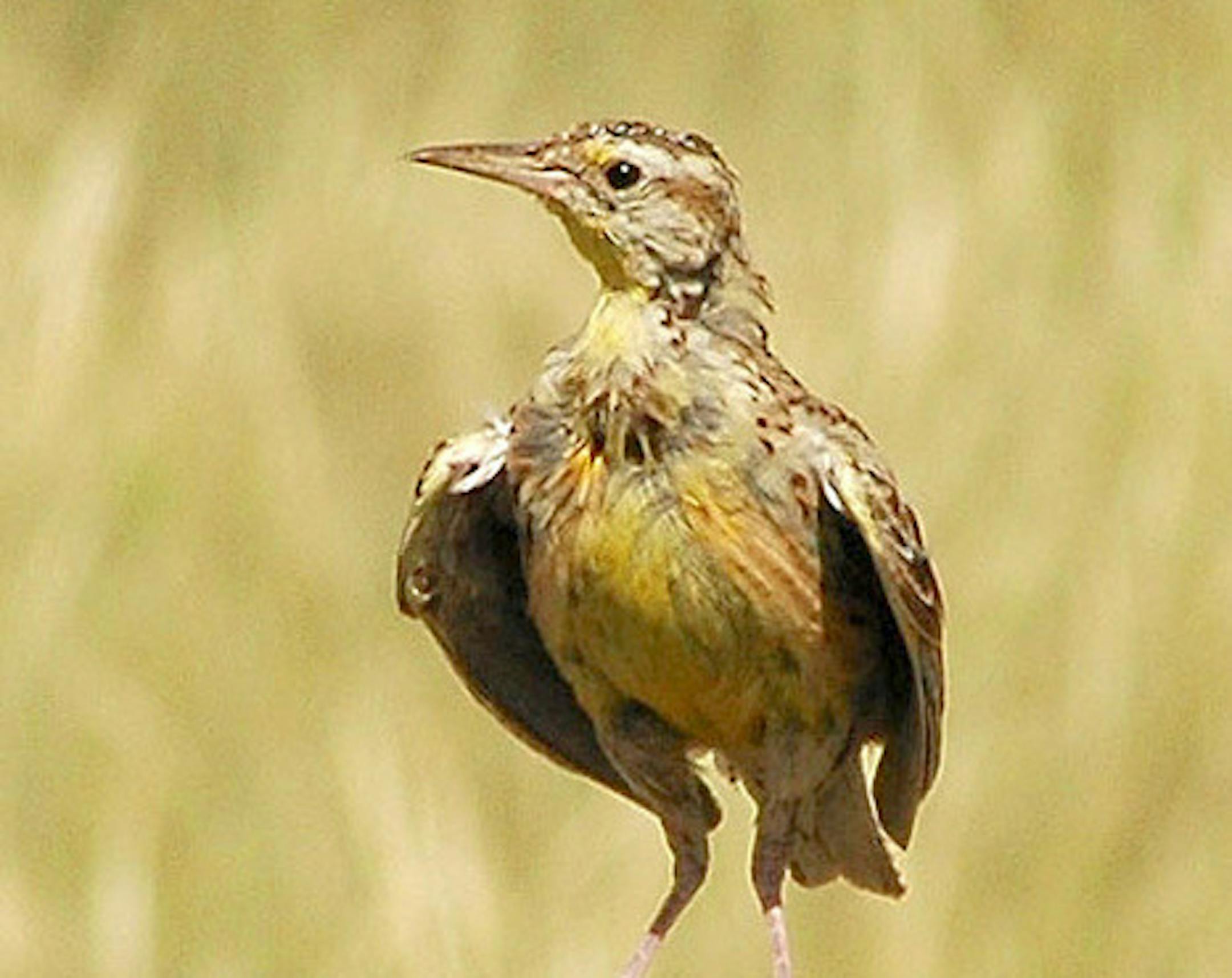
The temperature in Death Valley reached 130 degrees on Aug. 16. In the Mojave Desert, a two-hour drive south, it was 109. In September, California's extreme heat continued.
There are birds in those and other western deserts. How do they survive such weather?
Certain desert bird populations won't. They're likely to collapse from the impact of heat and loss of water due to climate change. Scientists from the University of California, Berkeley determined this after studying bird populations in the Mojave Desert last year.
The study found that compared with 100 years ago a third of Mojave Desert bird species are less common today. Heat is stressing them. Additional losses are likely. (A third of Minnesota's breeding bird population would be 82 species.)
Those bird species whose water needs have increased are the species in greatest decline. Water scarcity is driven by sparse rain, high air temperature and low humidity.
Tipping points
Tipping points are when things begin to crash. A dictionary definition is: the critical point in a situation, process, or system beyond which a significant and often unstoppable effect or change takes place.
Douglas Erwin, a paleobiologist with the Smithsonian National Museum of Natural History, put it this way in an address to the Geological Society of America: "Everything's fine until it's not. And then everything goes to hell."
In Minnesota, we created a tipping point by plowing our prairies out of existence. Our prairie bird populations crashed. Numbers reached a point where the remaining population could not support itself on the remaining habitat.