

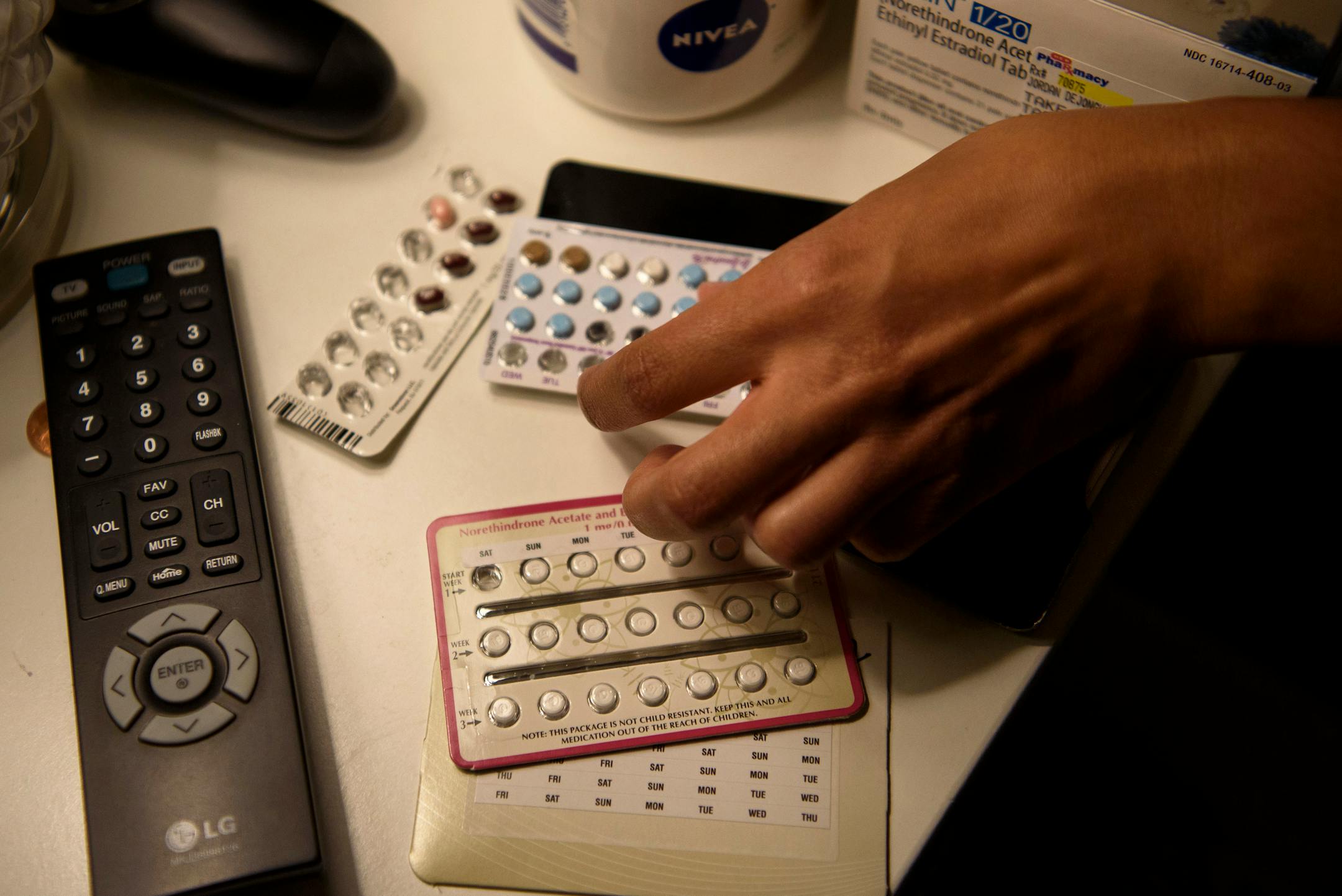
Less than 48 hours after the Supreme Court said states could ban abortion, health care providers have noticed an increase in interest in birth control, emergency contraception and abortion pills.
Especially in the nine states that had banned the procedure by Sunday, women appeared to fear a tightening of access to family planning resources and some were stockpiling options. The increased demand reflected a growing concern that the court's ruling was part of a broader effort to prevent Americans from determining for themselves when and whether to become pregnant.
After Katie Thomas, 42, learned that abortion would soon become illegal in Arkansas, she purchased abortion pills for her 16-year-old daughter.
"Just the thought of something happening to my daughter, whether by force or by her choice, and there's an unwanted pregnancy, I want to be able to handle that," Thomas said. "If I need to handle that on my own, then I will."
Thomas, of Little Rock, said she had already been stocking up on Plan B, the emergency contraceptive, in case her 21-year-old son and his girlfriend ever needed it. She bought even more on Friday.
Abigail Carroll, the 22-year-old founder of Abortion Access Nashville, said that some young women were stockpiling Plan B, but she cautioned people not to clear the pharmacy shelves so those who need the pills now can obtain them.
Planned Parenthood Southeast in Atlanta was getting more calls than usual from people concerned that their options surrounding pregnancy were diminishing, said Lauren Frazier, a spokeswoman.
"They want to know how many birth control pills they can stockpile," said Frazier, who added that there also were questions about emergency contraception, vasectomies and tubal ligations.

