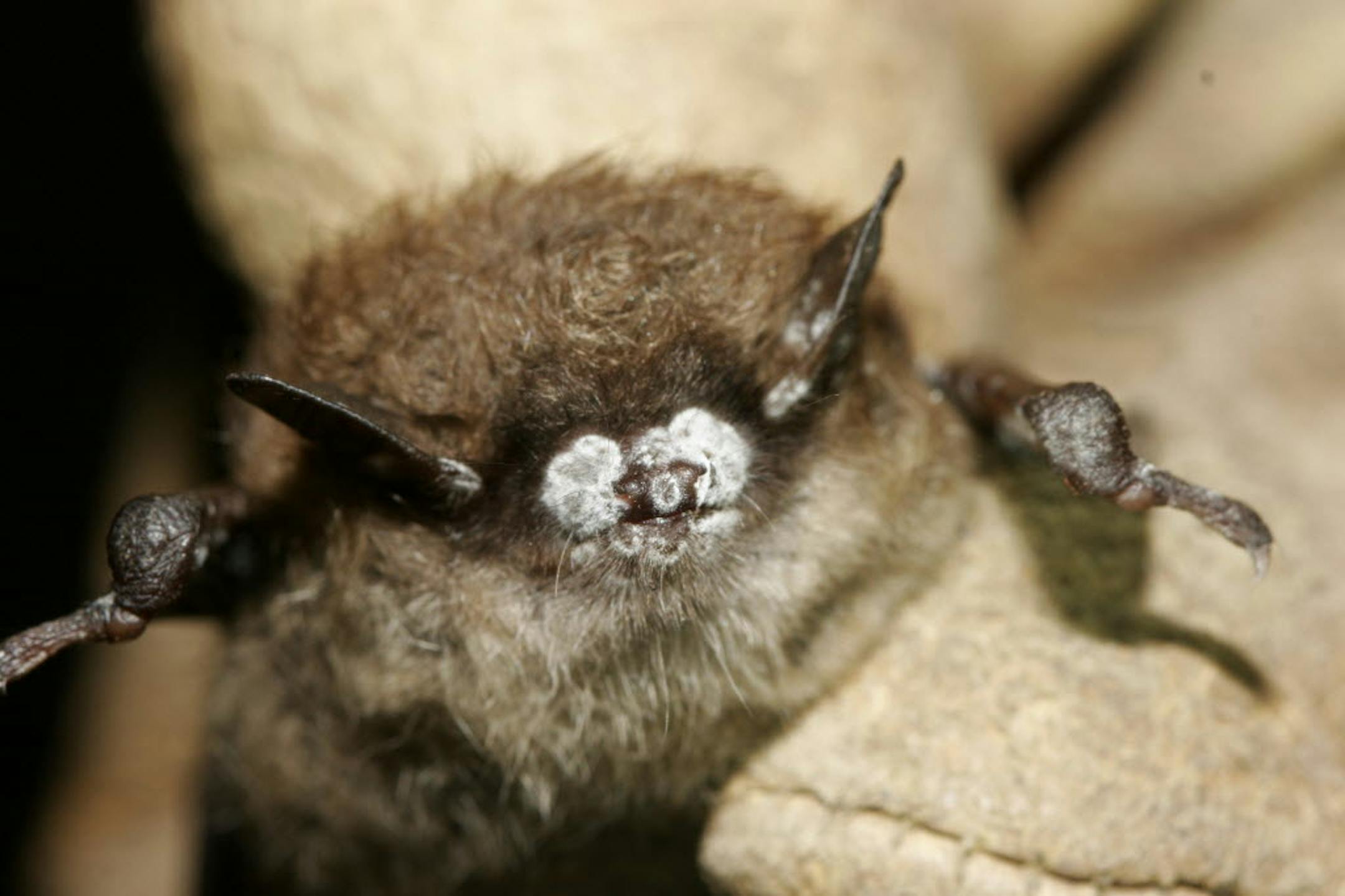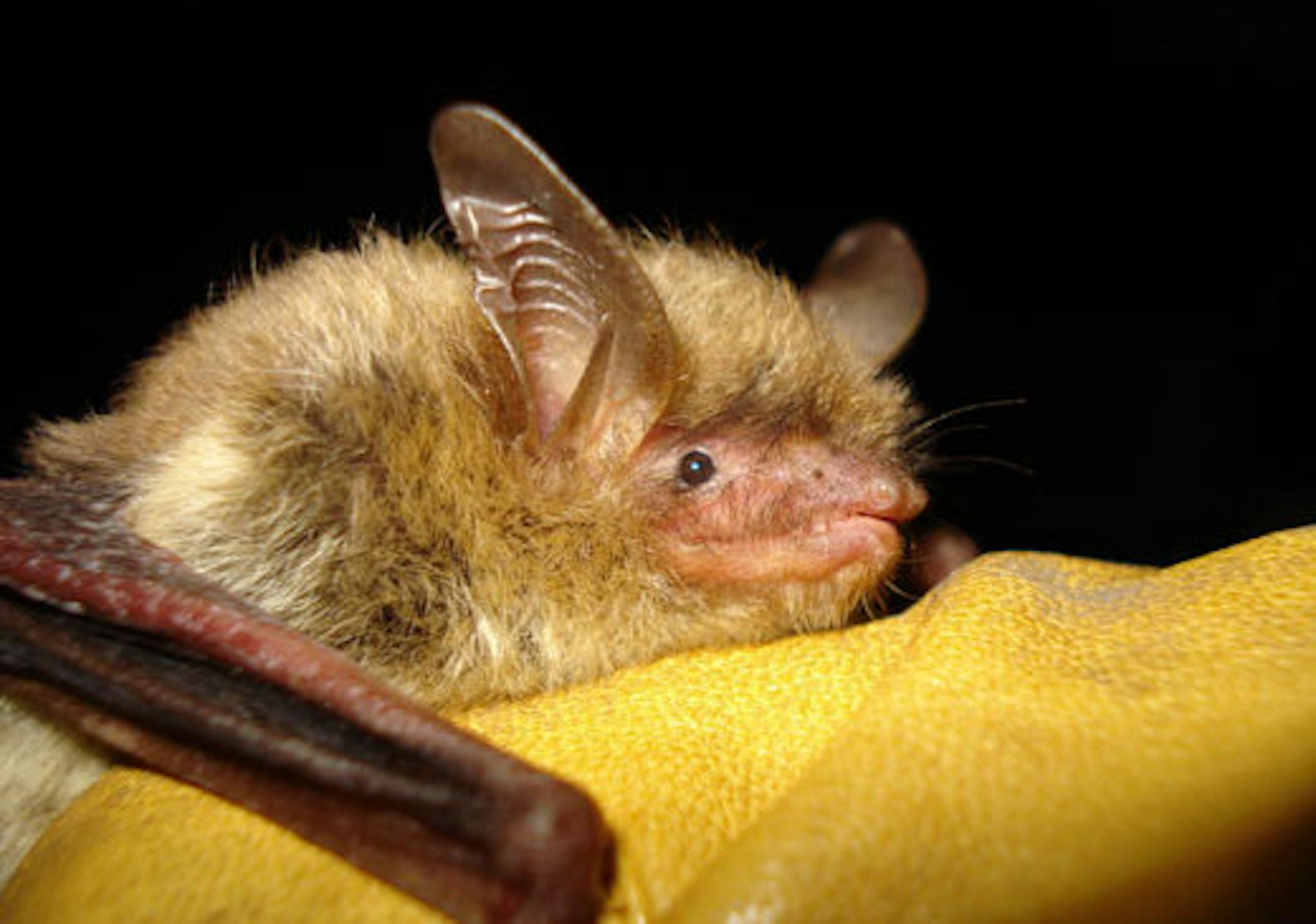
A cave fungus that's killing millions of bats across the country is threatening to become a big problem for Minnesota's timber industry.
The U.S. Fish and Wildlife Service will decide next spring whether to add the northern long-eared bat, which is being wiped out in places by the disease called white nose syndrome, to the endangered species list.
Such a decision would trigger a blanket prohibition against killing the bats, even accidentally. That would halt logging in much of the country during warm months, when the little animals roost in the forest and raise their vulnerable young in trees.
Only an estimated 5,000 of the bats live across a wide area of Minnesota, but national efforts to protect the species raise the specter of a showdown between regulators and businesses dependent on cutting down trees. Road and pipeline projects could be affected, and an end to summer logging would cut off crucial supply lines for sawmills and paper and strand-board mills.
"It would be devastating for us in the woods" said Scott Pittack, a logger with a crew of five based in Bovey, Minn. "I don't know there's a mill that could survive without summer wood … Plus, we all need a paycheck through the summer."
First discovered in 2006 in New York, white nose syndrome has raced south through the Appalachian Mountains, along the Ohio River Valley to Missouri and Arkansas, and across Ontario to Michigan's Upper Peninsula. It's likely that more than 7 million bats have died, and entire colonies of long-eared and little brown bats have been destroyed in Vermont, New Hampshire and Pennsylvania.
No bats have died yet in Minnesota, but evidence of the fungus has been spotted on four bats in two places in the state — Forestville/Mystery Cave State Park in the southeast and Soudan Underground Mine State Park in the northeast — leading many to say it's only a matter of time.
While the bats' problem is white nose syndrome and not its habitat, the threat to the species is so severe that concern for maternity colonies in trees is necessary, said Rich Baker, endangered species coordinator for the Minnesota Department of Natural Resources. He just hopes the Fish and Wildlife Service allows for flexibility.