

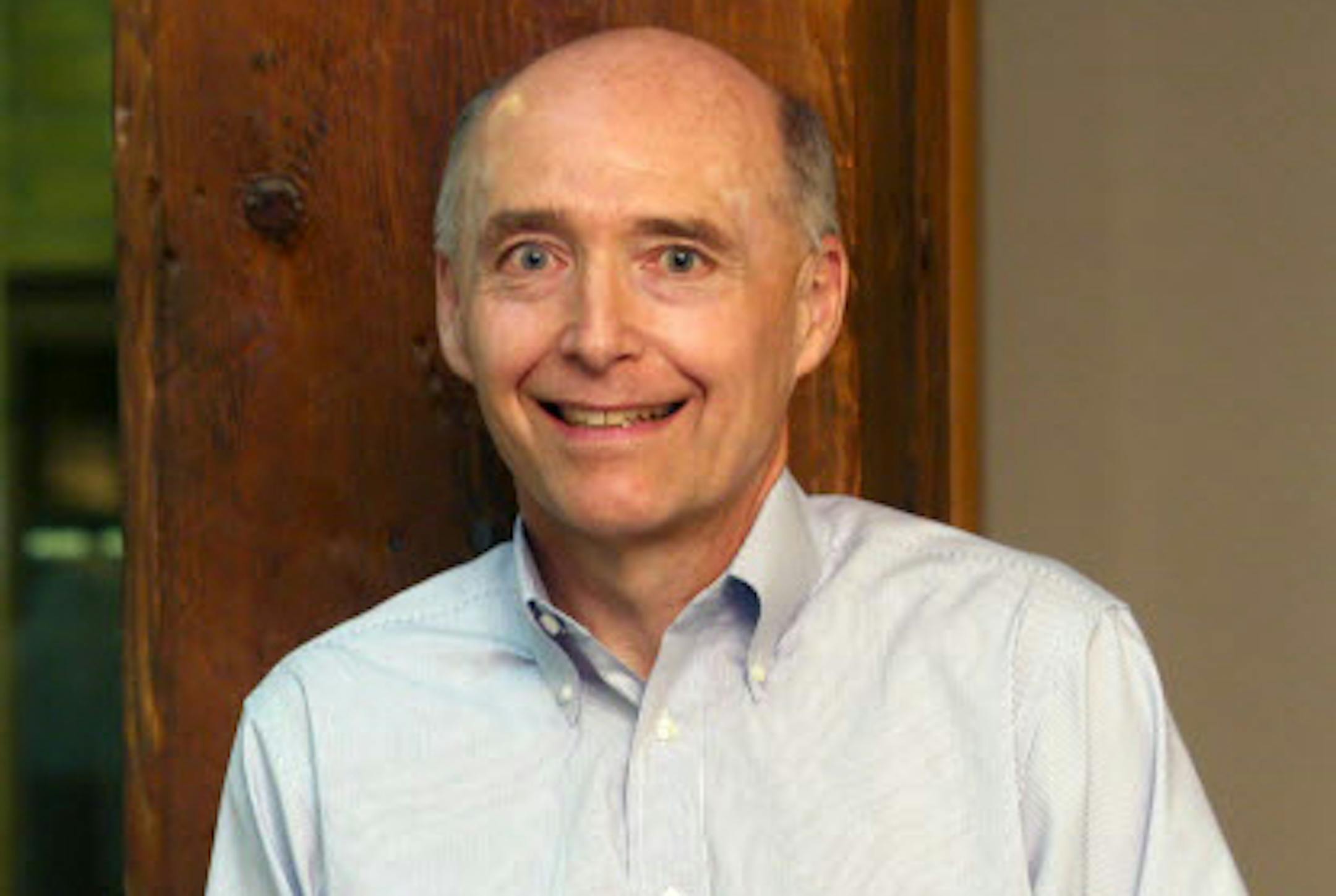
Knell Lee, 24, is a math and actuarial science graduate of the University of Minnesota who was hired as a policy auditor at SFM Mutual Insurance early this year.
He joined the ranks of thousands of Minnesotans who have started or returned to work this year as the state's unemployment rate dropped to 4.6 percent and the state recovered all the jobs lost during the Great Recession.
"I applied for about 30 jobs," said Lee, who passed on an opportunity at huge UnitedHealth Group to take a position with the small specialty insurer. "I really like it here. They really focus on work-and-life balance and seem to care about employees. When I started college, the [Great Recession] was underway, but the economy has come back. It was good timing for me."
But at least one informed observer already sees a looming skilled-worker shortage. And we're not just talking welders and machinists.
Bob LaBombard, CEO of Minneapolis-based GradStaff, expects to place a record 1,000-plus college graduates — many of them liberal arts majors — in entry-level jobs that average about $35,000 salary plus benefits. They will join mostly small to midsize growth companies, which have led the jobs recovery.
Employers tell LaBombard that their biggest fear is losing talented baby boomers, millions of whom are now in their 60s, to retirement. Some of them are leaving for other jobs or part-time consulting gigs. Their retirement accounts were replenished in recent years and they feel confident enough to quit working or to try something different.
LaBombard, an environmental chemist who changed careers to become an entrepreneur more than a decade ago, says the economy will lose 3.5 million boomers from the workforce every year for the next 15 years.
"A lot of baby boomers are hurting financially and will work for an extended period of time, but it won't have as big an impact on the job market as we think because of the number leaving the workforce," LaBombard said last week from his Minneapolis Warehouse District office.


