

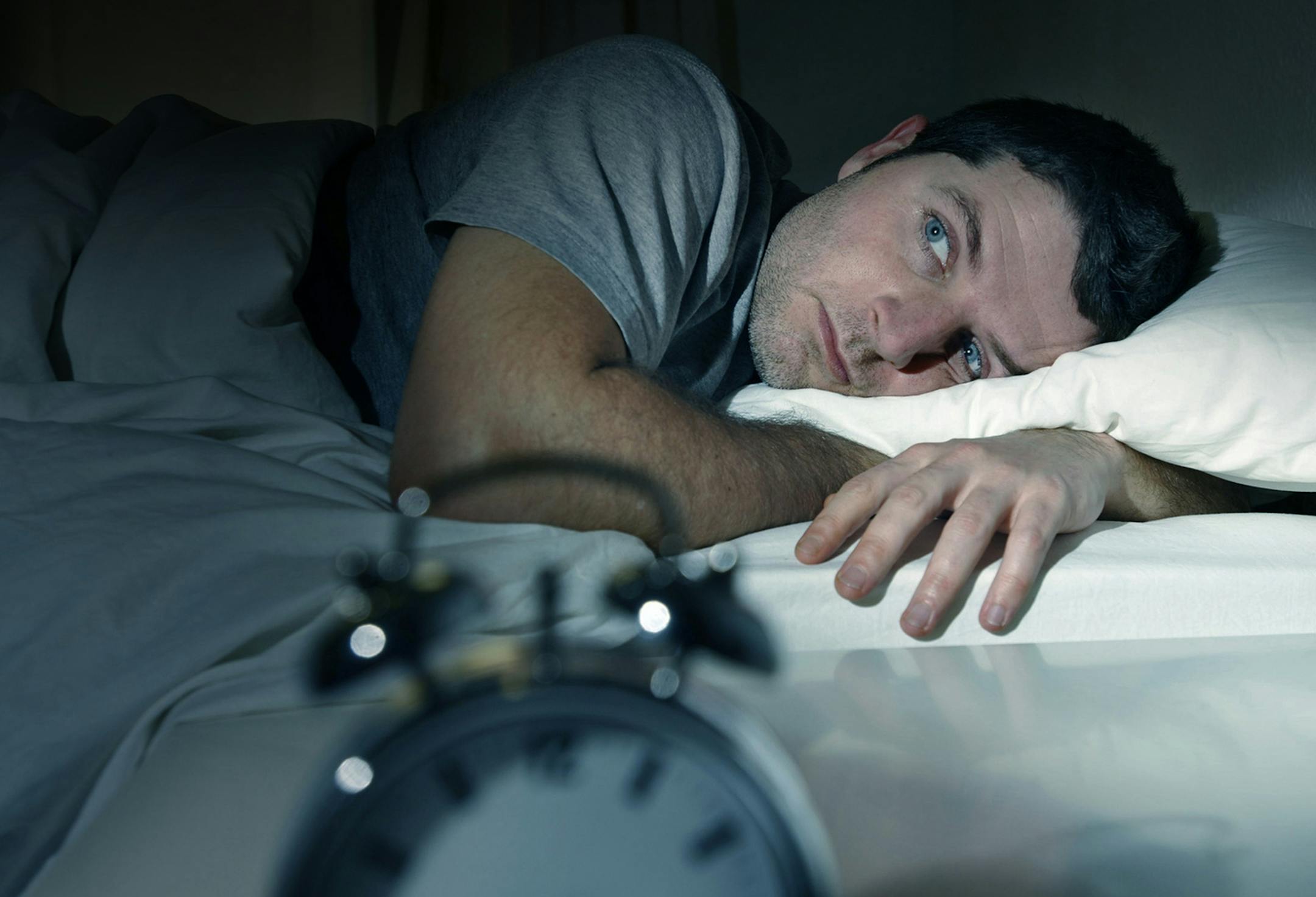
David Lombrozo was never a good sleeper. "Then I started my own company, and it got worse," said the Marietta, Ga., owner of an information-technology management company. "I got to bed later, got up earlier, wasn't eating well. I gained 15 pounds, which made me snore and woke me up even more."
As a result, Type 2 diabetes, which had been lurking in his family genes, caught up with him.
Like the 27 million other Americans afflicted with Type 2 diabetes, Lombrozo learned that sleep deprivation and diabetes feed on each other: Diabetes symptoms disturb sleep, while sleep loss contributes to diabetes. Add obesity and stress, and you have a vicious circle.
Formerly known as adult-onset diabetes, Type 2 means having too little insulin (a hormone that helps the body use sugar) and too much glucose (sugar). As Americans' average number of sleep hours has decreased, Type 2 diabetes has become more common.
Seven to nine hours of sleep per night is ideal, according to the American Diabetes Association, but 35 percent of us get less.
Thanks to diabetes complications such as restless-leg syndrome and neuropathy (nerve pain or numbness), many diabetics cannot sleep well, causing their condition to worsen. But the road to diabetes can start from the other direction, too, meaning sleep deprivation.
The No. 1 sleep enemy is apnea, a breathing interruption caused by obstructed airways.
"Sleep apnea and diabetes go hand in hand," said Dr. Florence Comite, a New York City endocrinologist. About 36 percent of Type 2 diabetics have sleep apnea, according to the diabetes association. "Sleep helps our bodies restore themselves," Comite said. "Without enough sleep, we can actually bring on diabetes."


