

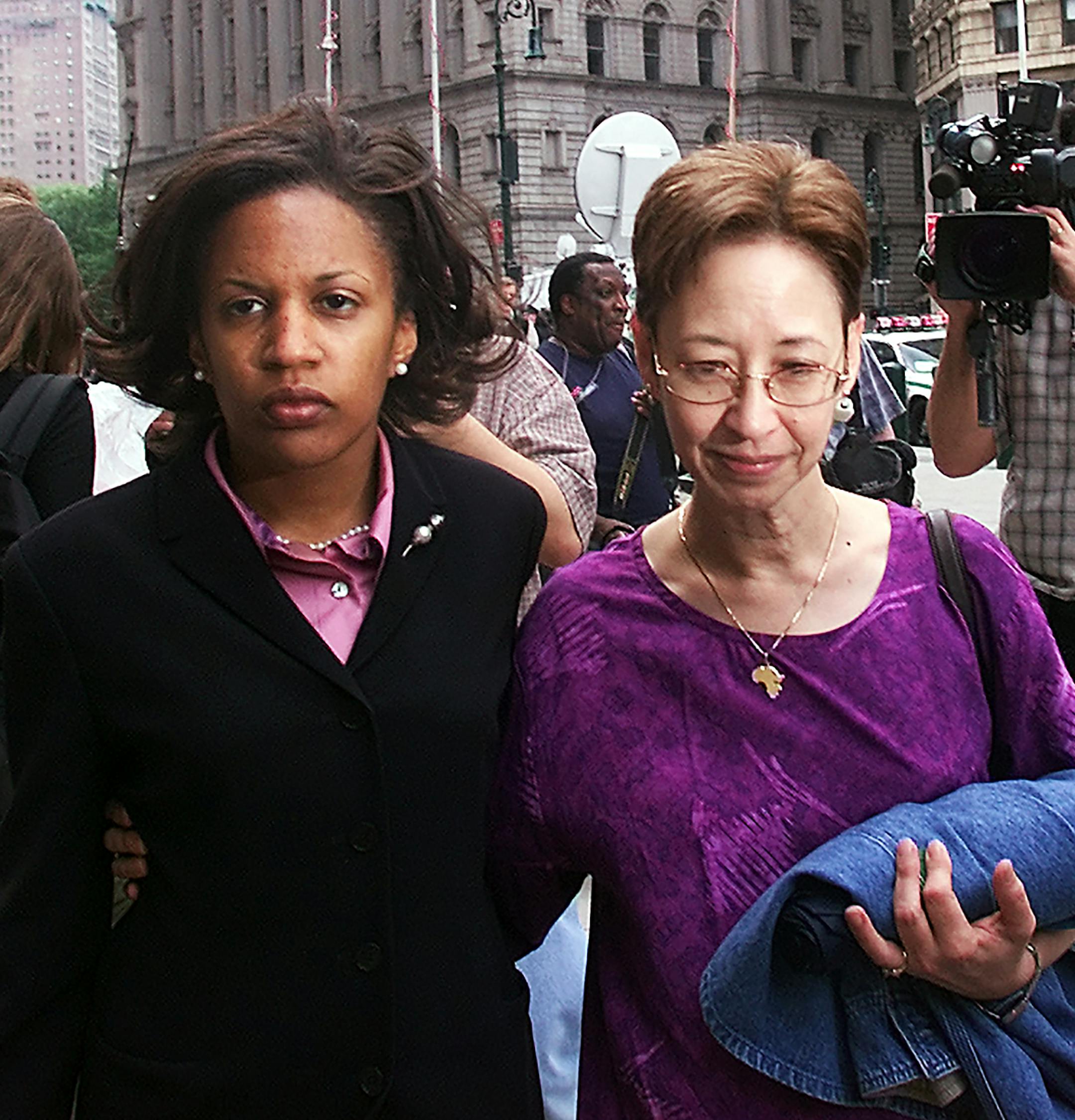
Edith Bartley knew the day would come. For almost 15 years, she and her mother have traveled to Manhattan from the Washington, D.C., area to attend the trials of men charged in a conspiracy that included al-Qaida's bombings of two U.S. embassies in East Africa.
Her reason for making the trips was deeply personal: Her father and younger brother were among the 224 victims.
So it was with some trepidation that she read a recent e-mail from federal authorities telling her that one of the defendants, Adel Abdel-Meguid Abdel-Bary, 60, was about to be released after 21 years in prison.
Abdel-Bary, an operative in London who on behalf of al-Qaida publicized a claim of responsibility for the attacks, is the only one of the men convicted in the plot known to be ready to leave prison, outside of cooperating witnesses.
Some of the men charged in the conspiracy, including Osama bin Laden, were killed by the U.S. or its allies. Seven conspirators are serving life sentences.
But Abdel-Bary, now in the custody of U.S. immigration authorities, has finished his sentence and is expected to be deported to Britain, his last place of residence.
To Bartley, the prospect that Abdel-Bary will be free, even in another country, is unsettling.
"Just serving a sentence doesn't mean that a person has been rehabilitated, doesn't mean that their core thinking has changed," Bartley said. "This is a person who can still do harm in the world."


