

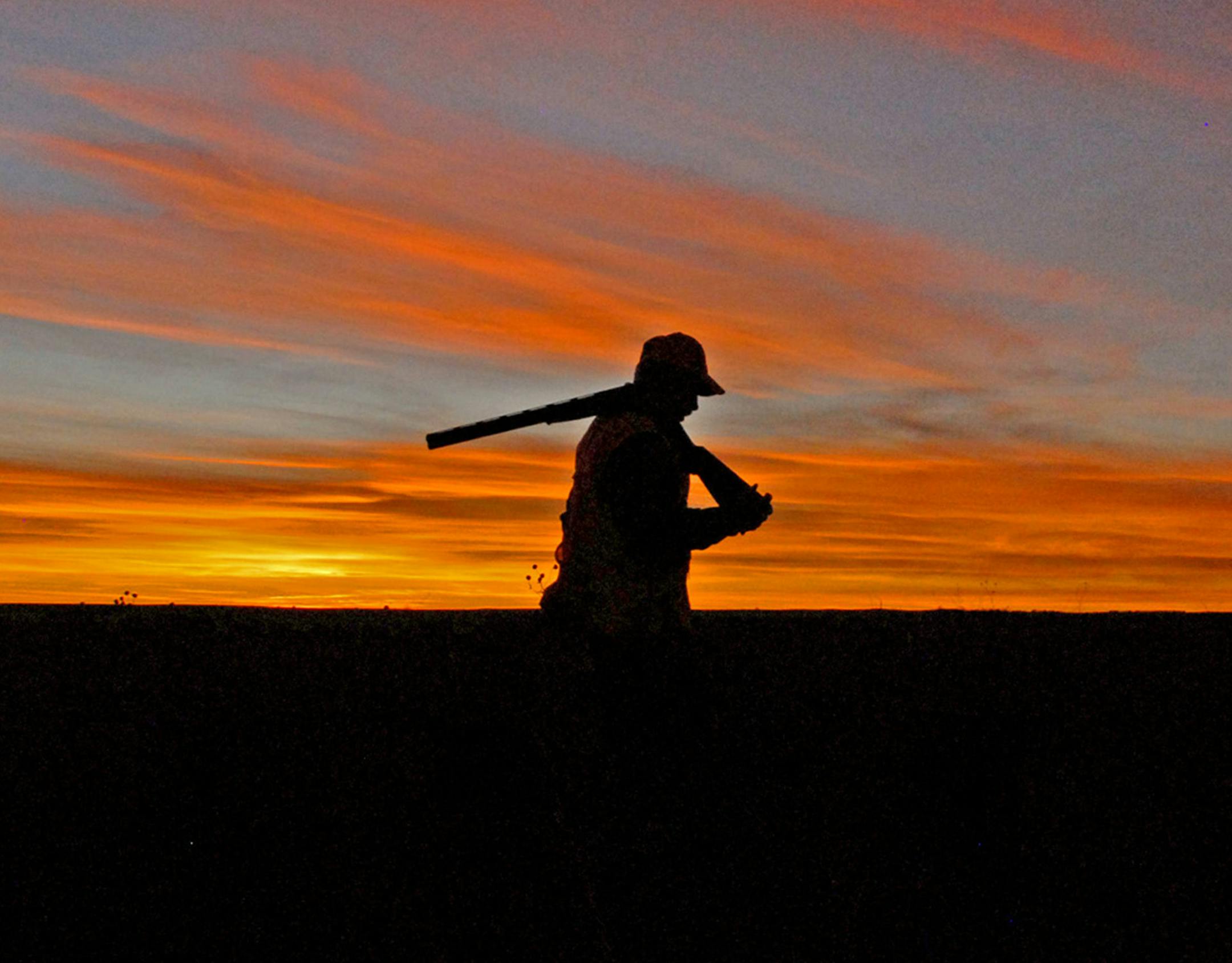
When Friday morning rolls around, pheasant hunters from across the country will descend on the prairie towns of South Dakota, buying up game licenses at the incredible rate of one every 10 seconds.
That's the way it's been for years in the nation's top pheasant state, but conservationists, biologists and politicians remain worried about the future. The concern over fewer hens and roosters is decades old, but it's hot once again in the wake of this year's disappointing brood report — down 20 percent from a year ago.
State game managers say good pheasant opportunities will exist this year, and locals don't expect the cultural scene to change any time soon. But there's unmistakable long-term angst over dwindling pheasant populations caused by farming.
"Pheasant hunting and outfitting is a huge cultural and economic thing we can't let slip away,'' said John Cooper, former secretary of South Dakota Game Fish and Parks. "We need to do something.''
Cooper belongs to a large cohort of wildlife habitat leaders in the Upper Midwest who are pre-staging a rally to make changes in the U.S. Farm Bill. They want to reclaim at least some of the grasslands lost to agriculture. The circle includes Minnesota DNR Commissioner Tom Landwehr and his agency's fish and wildlife director, Jim Leach. Both men have been stressing the importance of land conservation in the next Farm Bill, due in 2018. The benefits would extend beyond pheasants to water cleanup, pollinator revival and other ground-nesting birds, Landwehr and Leach have said.
Shrinking grassland
Cooper said the crux of the problem in South Dakota has been the loss of 1.8 million acres of grassy habitat between 2006 and 2012. That's when farmers were plowing up pastures as well as lands idled by the Conservation Reserve Program (CRP) to cash in on soaring grain prices.
CRP had successfully boosted pheasant habitat by paying rent to farmers who took marginal land out of production to plant environment-friendly grasses and other plant species critical to ringnecks. From 1995 to 2005, CRP acreage crested and South Dakota's pheasant numbers soared from 4.9 million to 9.2 million. A couple of good years followed, including 11.9 million pheasants estimated in 2007. Lately the state's pheasant population has hovered between 6.2 million and 7.7 million birds.
Yet Congress, when debating the last Farm Bill, listened to agri-business, limiting CRP and adopting production-oriented subsidies. Grass regimes, Cooper said, weren't putting money into the pockets of fertilizer companies, chemical manufacturers and the implement industry.


