

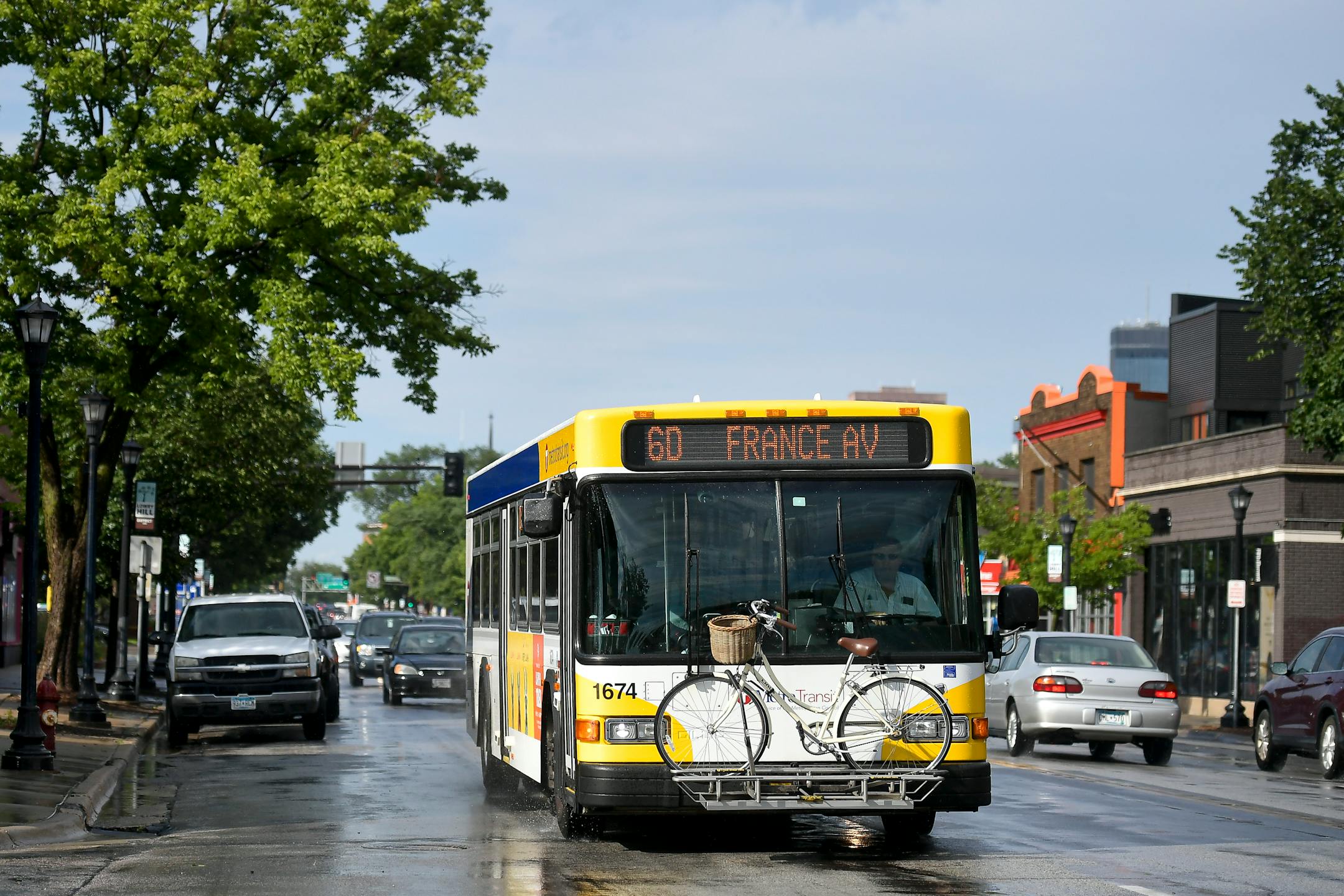
Good idea — transportation accounts for about a quarter of greenhouse gas emissions in Minnesota. Metro Transit and public transit booster groups like Move Minneapolis and Move Minnesota are here to help. So are the dozens of transit riders who responded to our query on social media for tips.
Transit newbies “mostly fear the unknown; there’s a fear of getting lost,” said Doug Cook, outreach coordinator with Metro Transit. “My job is to get them over that fear, and show them the resources we offer.”
So let’s get started.
Where do you want to go?
You can download Metro Transit’s app on your smartphone and tap where you want to go on the Trip Planner. Once you figure out your route, keep tabs on the bus or train schedule on NexTrip. Others prefer Google Maps, Pantograph or an app simply called Transit; lots of transiteers mix and match apps for different functions. Route information is also available on Metro Transit’s website.
Minneapolis and St. Paul have more frequent and available routes. But the suburbs do have their share of service, either on Metro Transit or on suburban providers (which feature somewhat limited express service, but accept Metro Transit fare payments) Maple Grove Transit, Minnesota Valley Transit Authority, Plymouth Metrolink, and SouthWest Transit. There are dozens of park-and-ride facilities throughout the metro area, too.
If you frequently use a certain route, sign up for rider alerts, which ping you when there’s an issue with service.
How do I pay?
You can download the Metro Transit mobile app to pay for your fare using your phone.
You can also buy a Go-To stored value card on Metro Transit’s website and at area retailers, including Cub Foods stores. Keep a record of the serial number on your Go-To card — you’ll need it to add value or if it’s lost or stolen. You may opt for an employer-subsidized Metropass, or a College Pass or a Student Pass through educational institutions.


