

Listen and subscribe to our podcast: Apple Podcasts | Spotify
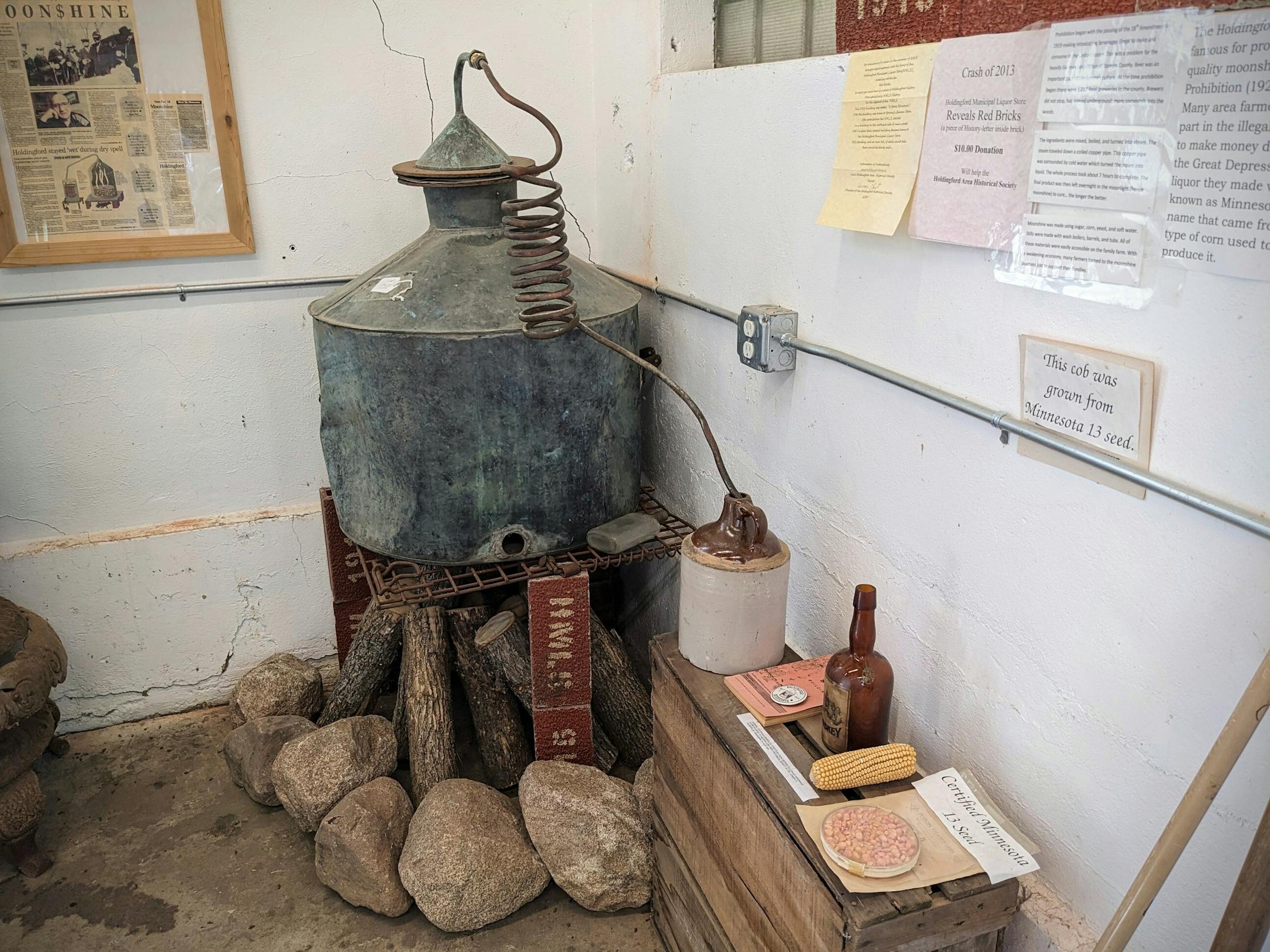
Growing up in rural Stearns County, Bryce Riesner had always heard lore about farmers making moonshine during Prohibition.
One of them was Riesner's great-grandfather. But his family doesn't know much about it. And even now, close to a century later, residents seem to be hush-hush about it.
That got Riesner, a 19-year-old urban studies major at the University of Minnesota, wondering what share of Minnesota farmers hid stills in basements, barns and brush piles to turn grain into alcohol. While at the State Fair this year, he submitted the query to Curious Minnesota, the Star Tribune's community-driven reporting project fueled by readers' questions.
Many Minnesota farmers were hocking hooch to pay bills during Prohibition — particularly in the central part of the state. But the precise share isn't known because production and sales weren't being counted or measured in a formal way.
Brad Carlson, a University of Minnesota Extension educator and self-proclaimed agricultural history buff, believes a small percentage of farmers accounted for widespread production in many rural areas.
"It may not have been 'everyone is doing it,'" he said. "But it probably was more like, 'everywhere you go, someone is doing it.'"
Rural distilling centers
Federal law banned the manufacture, transportation and sale of intoxicating liquors between 1920 and 1933. Prohibition was difficult to enforce, however, because moonshine was made anywhere from small stills buried in backyards to large distilleries run by mobsters.


