

Listen and subscribe to our podcast: Via Apple Podcasts | Spotify | Stitcher
Minneapolis and St. Paul would rank among the top 20 largest cities in the country today had they chosen to merge over a century ago — creating Paulopolis, Minneapaulis or one of the other names proposed for the united city.
Each of the twins instead is nipping at the heels of cities like Oakland and Newark, which are far smaller than the Twin Cities' peer regional centers like Seattle, Denver and Boston.
That's one reason why Scott Berger, a patent lawyer who grew up in Edina and lives in St. Paul, turned to Curious Minnesota — the Star Tribune's reader-powered reporting project. He wanted to know why Minneapolis and St. Paul remained separate, and whether they ever considered joining forces.
"Minneapolis and St. Paul are underrepresented because of population," Berger said. "It just feels to me that it would be more fair to the cities to share the load, the benefits, the tax base, and unify our identities. They have more similarities than differences."
In fact, movers and shakers in both cities engaged in serious talk of a merger as far back as the 1880s. Many thought it was only a matter of time.
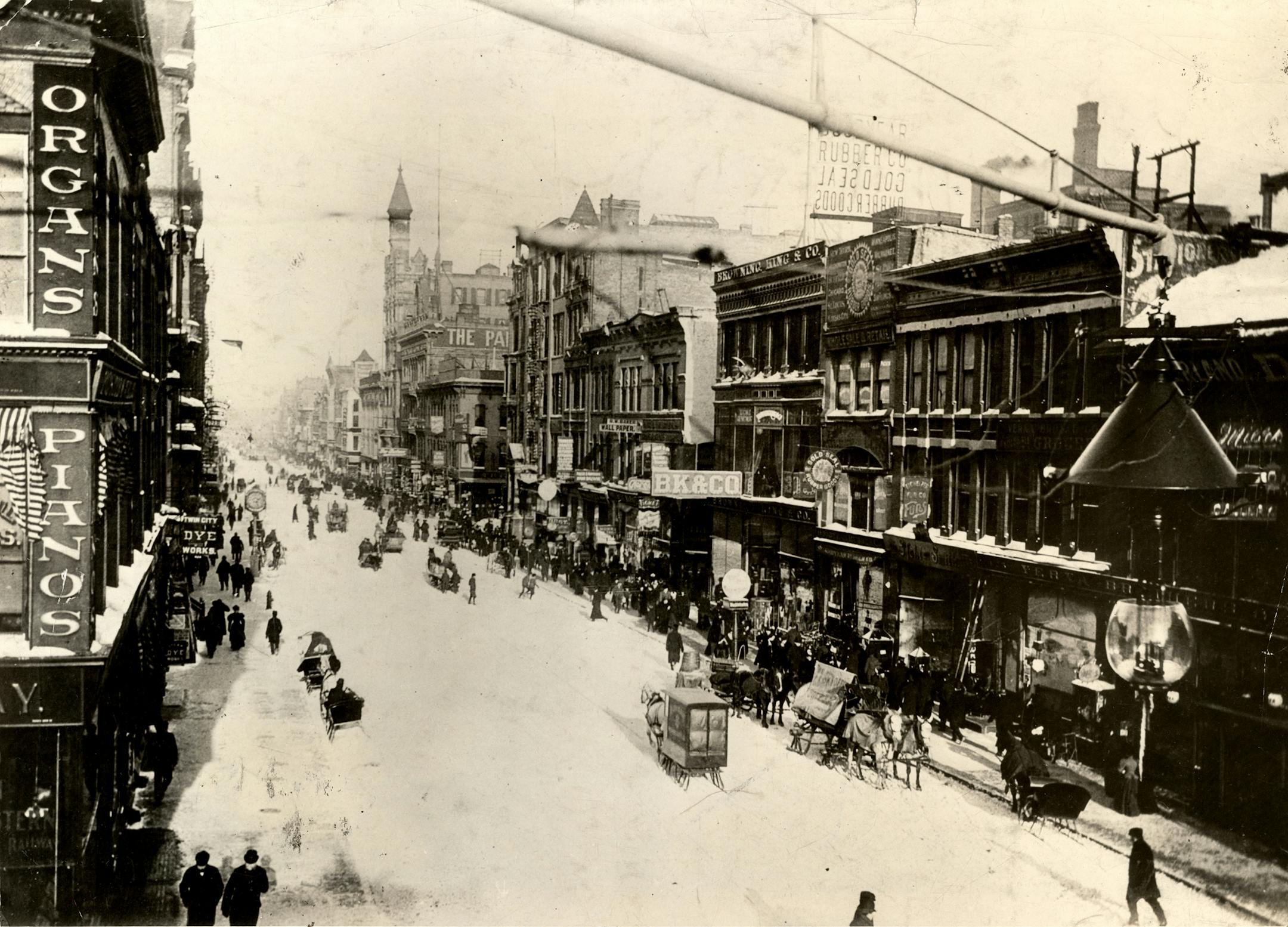
"That Minneapolis and St. Paul are to be united is simply manifest destiny," the Minneapolis Tribune thundered in 1891, going on to say that the cities already had "become practically one city, so far as continuous streets and settlement are concerned."
It didn't happen because of a simmering social and business rivalry between the two cities, each of which had developed distinct cultures and were propelled by very different economic engines. Those contrasts, fueled by jealousies and suspicions that erupted into urban warfare over the 1890 Census, simply couldn't be bridged.


