

Listen and subscribe to our podcast: Via Apple Podcasts | Spotify | Stitcher
Sweet corn has had a year.
When a 7-year-old boy this summer exclaimed he couldn't "imagine a more beautiful thing" than the corn-cob-on-a-stick in his hand, he simultaneously broke the Internet and reminded everyone to get a little more scrumptious maize in their lives.
Minnesota is one of the nation's top producers of sweet corn. But the state's vast cornfields give a somewhat misleading impression about how much of the "big lump with knobs" — as the child described it in a viral video — is being grown for humans.
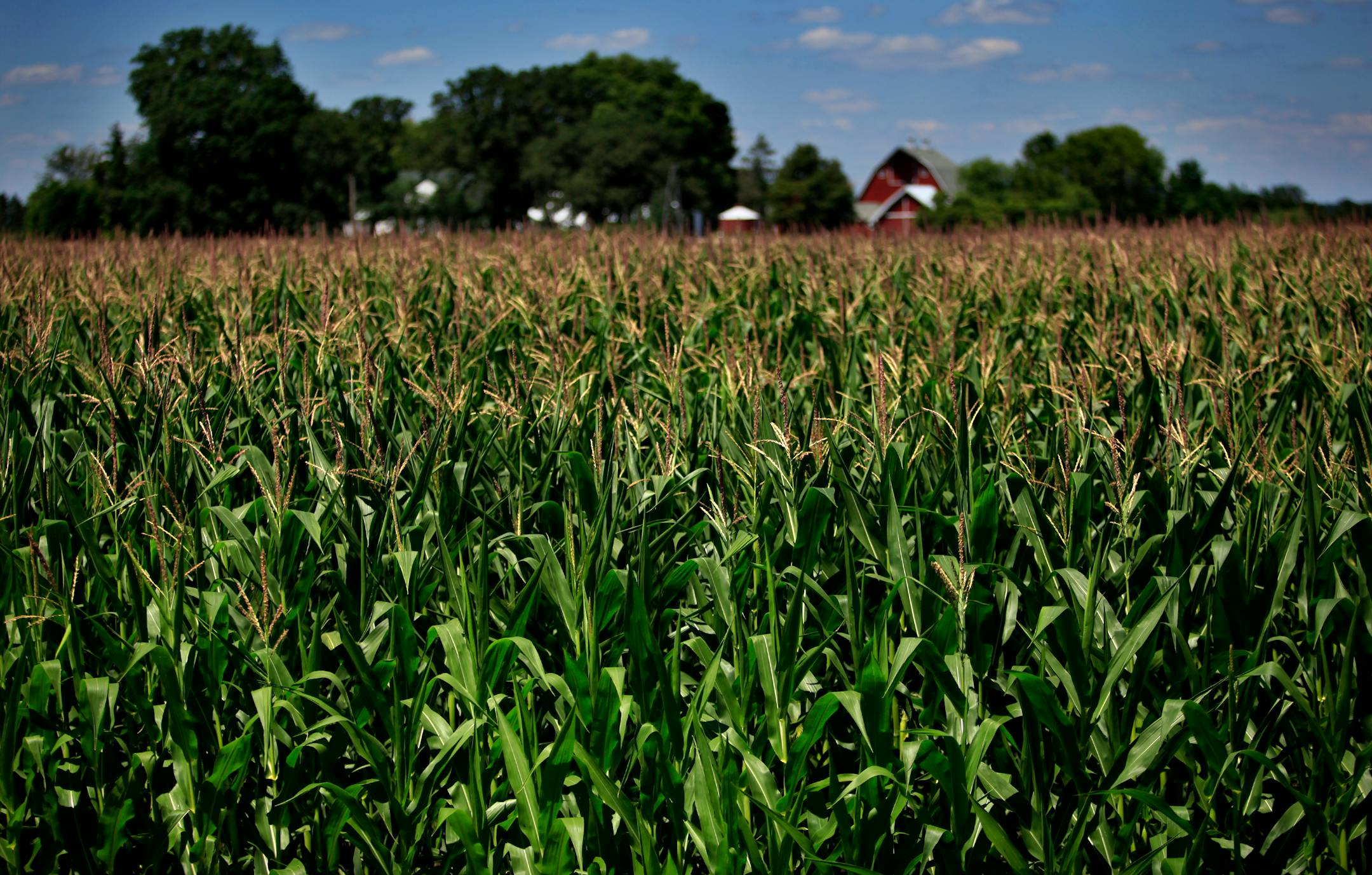
Reader Ken Collier asked Curious Minnesota, the Star Tribune's reader-powered reporting project, about the purpose for all this corn. He has wondered while driving around the state what becomes of all the corn he sees growing in roadside fields.
"How much of that is destined to be eaten?" Collier asked. "And how much goes to industrial purposes, either ethanol or some other chemical?"
Minnesota farms produced 1.4 billion bushels of corn in 2021, which is the equivalent of roughly 78 billion pounds of the stuff. Only three states grew more corn: Iowa, Illinois and Nebraska, according to the U.S. Department of Agriculture (USDA). But this bounty generally isn't what Americans want at their picnic.
Humans eat sweet corn. And only a sliver of Minnesota's harvest lands for sale on the back of a Ford Econoline or buttered at a summer barbecue. Specifically, just over 1% of the 8 million acres harvested for field corn in 2021 is dedicated to the cash crop's sweeter cousin.


