

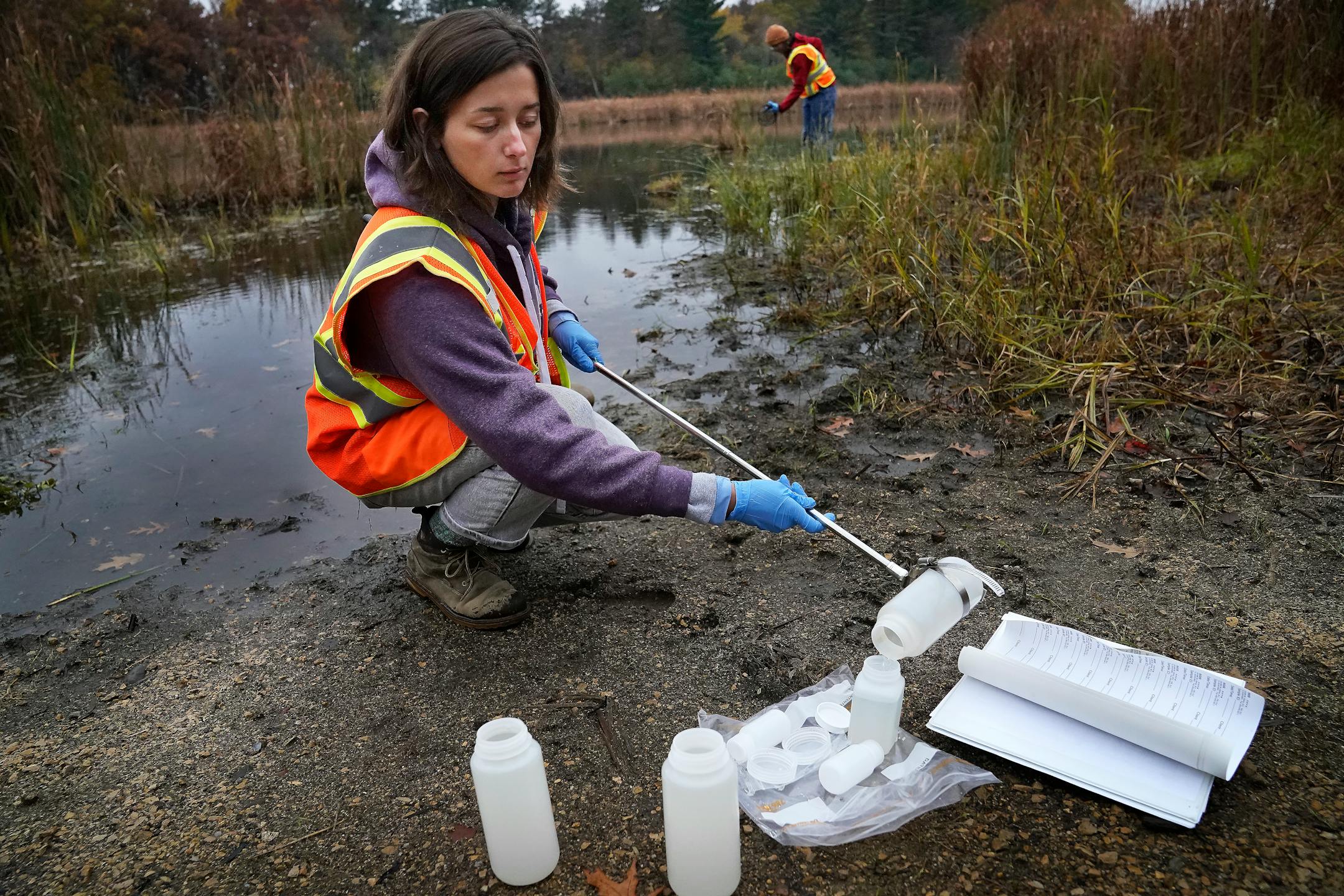
Ron Way made a compelling argument in Land of 3,000 impaired waters (and counting)" (Nov. 22), criticizing the foot dragging by state agencies charged with cleaning up impaired waters.
I appreciated Way's crediting me for my early warning about copper nickel mining in my job as director of the Minnesota Pollution Control Agency (MPCA). He states that this warning caused me trouble, which it did.
The facts are that I gave a speech in late 1971 on copper nickel mining in which I called for an environmental review of this new potential mining over that decade. Unfortunately, the Minneapolis Tribune misquoted me as saying the study should continue until the end of the century, not of the decade ending in 1980. This article appeared in the Sunday Tribune and raised the ire of Ely Mayor Jack Grahek, state Rep. Joe Begich and the head of the Range Chamber of Congress, all of whom rushed down to get Gov. Wendell Anderson to fire me. He refused.
The comprehensive study on copper nickel was funded by the Legislature and completed by 1980 at the cost of $5 million.
Ron Way was not living in Minnesota during 1971-74. Perhaps that is why he does not remember that there were other citizen activists lobbying the Minnesota Legislature on environmental issues at that time besides Chuck Dayton and John Herman. Also he does not recall that President Richard Nixon cannot fairly be credited with the laudable goals of the Clean Water Act since Nixon vetoed it. That memorable federal law was passed over his veto.
Finally, former Gov. Wendy Anderson should have been mentioned for his strong environmental record. His administration pushed hard to pass the Minnesota Environmental Rights Act and the Environmental Policy Act, which were also supported by the MPCA citizen policymaking board.
Grant J. Merritt, of New Hope, is a retired attorney. He was executive director of the Minnesota Pollution Control Agency, 1971-75.


