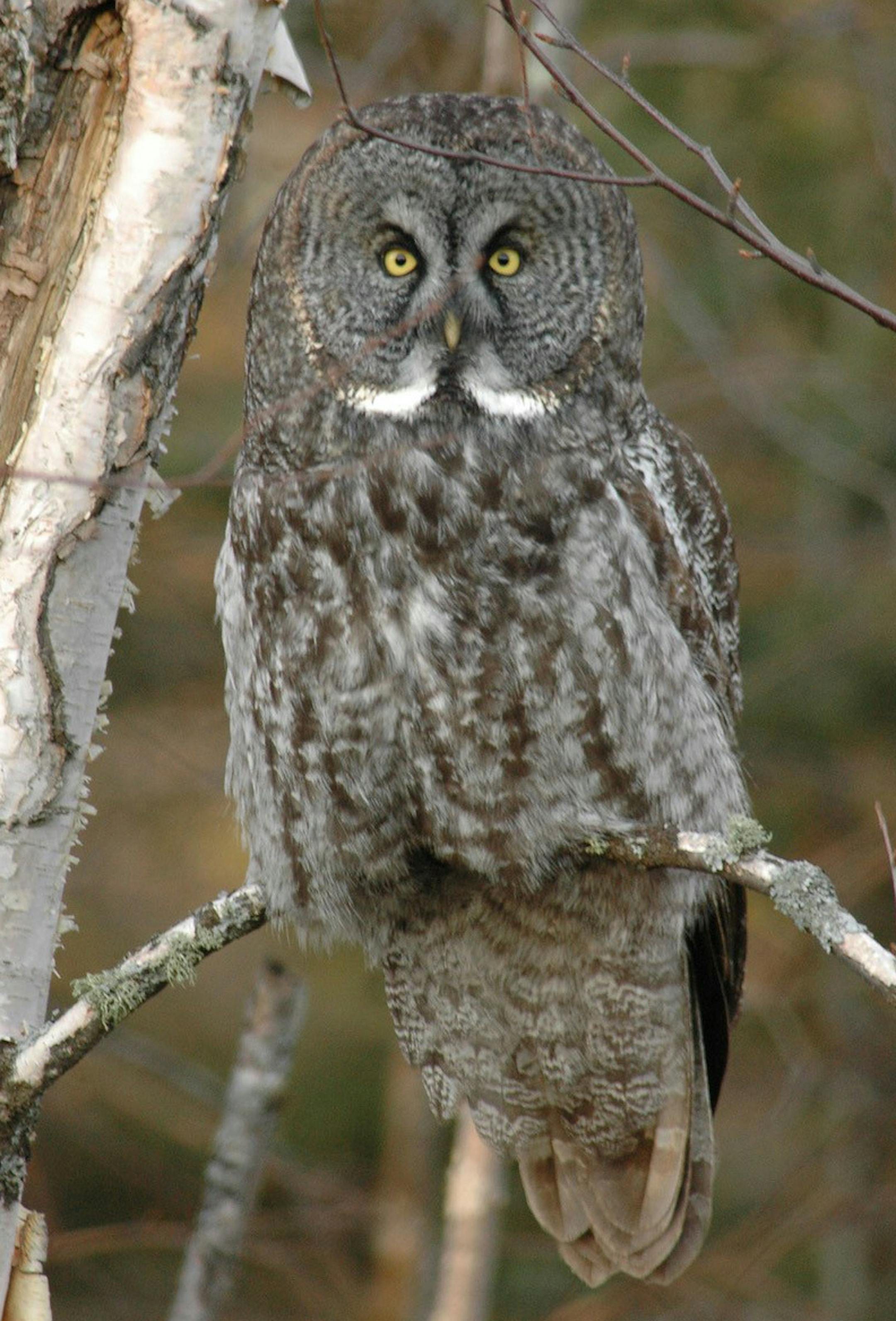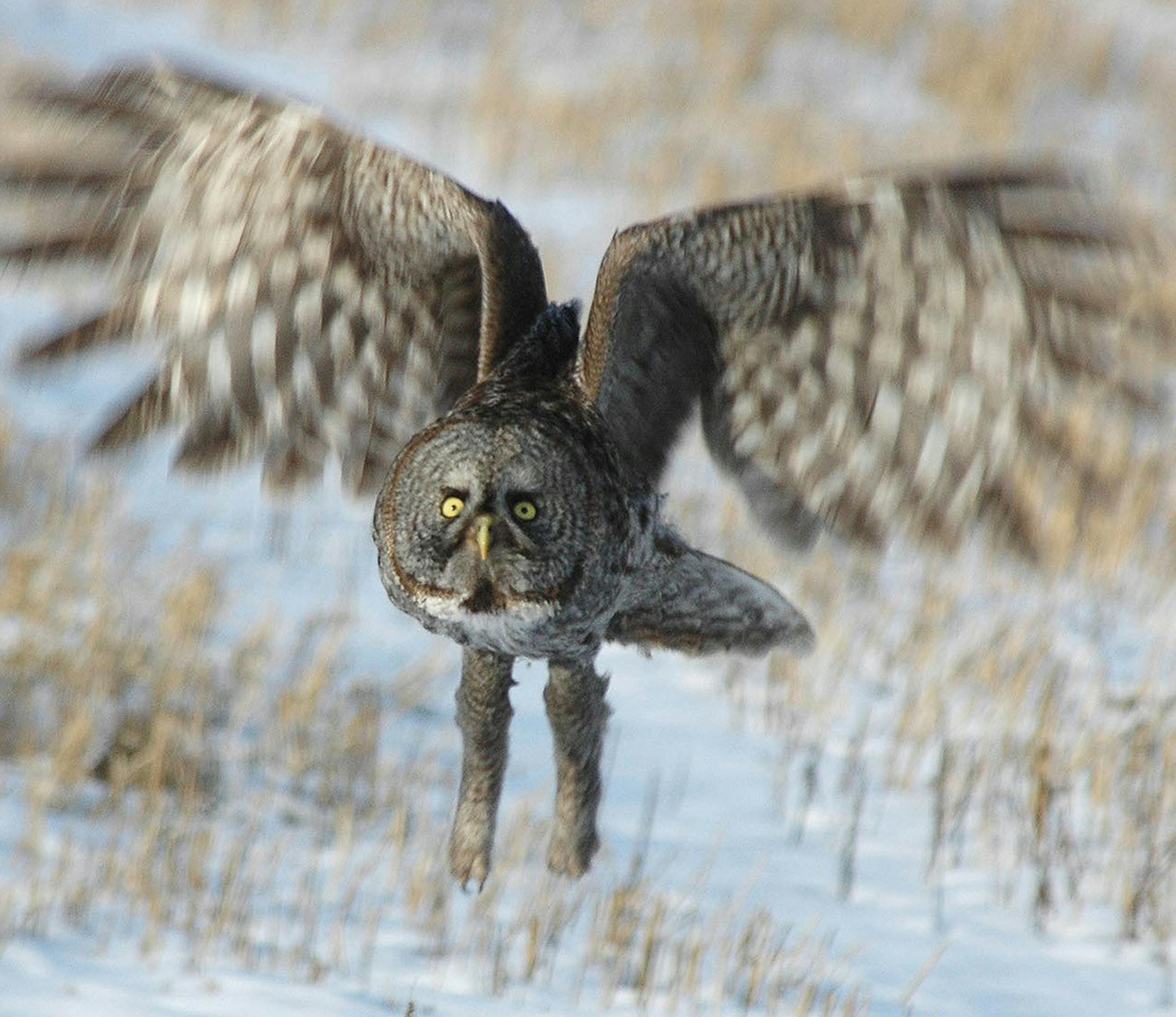
For birds, the eyes have it. Vision is their predominant sense.
A snowy owl sitting on a flat snowy field in North Dakota is about to demonstrate that.
The bird is estimated by its would-be trappers to be 600 feet away. The trappers are part of Operation Snowstorm, an ongoing project to capture and equip these owls with GPS devices that record movement via satellite. This is winter last year.
The two men have a spotting scope, a wire box trap and a brown mouse. They watch the owl watch them for about five minutes before it flies in, hops into the trap and eats the mouse.
The owl recognized the mouse as food from 600 feet.
The owl, like all raptors, has extreme visual resolution. Detail is its key to the dining room.
Our eyes have elements in the retina known as rods and cones. They absorb light energy that is sent to the brain, where it becomes an image. Our retinas have about 130 million light-sensitive cone cells per square inch. These determine acuity.
Certain raptors have five times as many cells per square inch, allowing them, say, to identify a mouse in a cage at 600 feet — extreme resolution.