
Wild on the water

Boating season means excellent wildlife-watching. Look for these birds, waterfowl and mammals while enjoying Minnesota's lakes and rivers this holiday weekend.

For the Minnesota Star Tribune
July 3, 2014 at 4:27PM
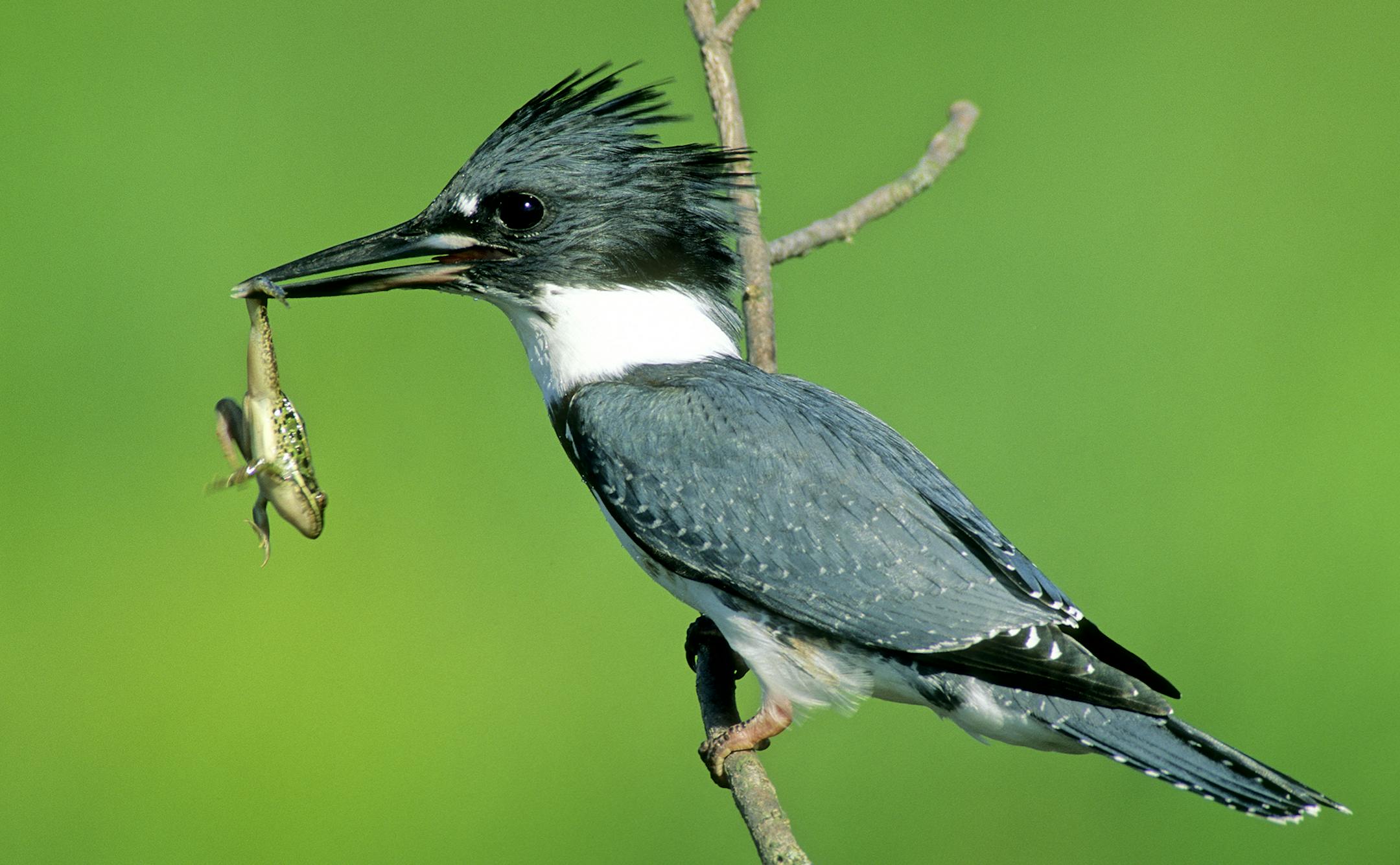
DO NOT USE. ONE-TIME ONLY WITH BILL MARCHEL COPY. Photo by Bill Marchel. Belted kingfishers hunt minnows, frogs and other aquatic creatures from bare branches along the shores of lakes and rivers.
Belted kingfishers hunt minnows, frogs and other aquatic creatures from bare branches along the shores of lakes and rivers. (The Minnesota Star Tribune)

Whether you enjoy fishing, paddling or just floating along, boating affords excellent views of Minnesota's abundant wildlife.

Loons can be seen on lakes throughout northern and central Minnesota. Sometimes they seem as curious about us as we are of them, and they will swim closer, often diving beneath the water's surface, only to reappear on the other side of our boats. The loon's haunting call on a calm summer evening makes the encounter all the more special.

And then there are the great blue herons, frequenting wetlands and lakeshores throughout Minnesota. These big birds stalk the shallow water, heads cocked, in search of aquatic prey. When alarmed, the gangly slate-blue birds will suddenly take flight, often emitting a loud "squawk" as their giant wings carry them away.

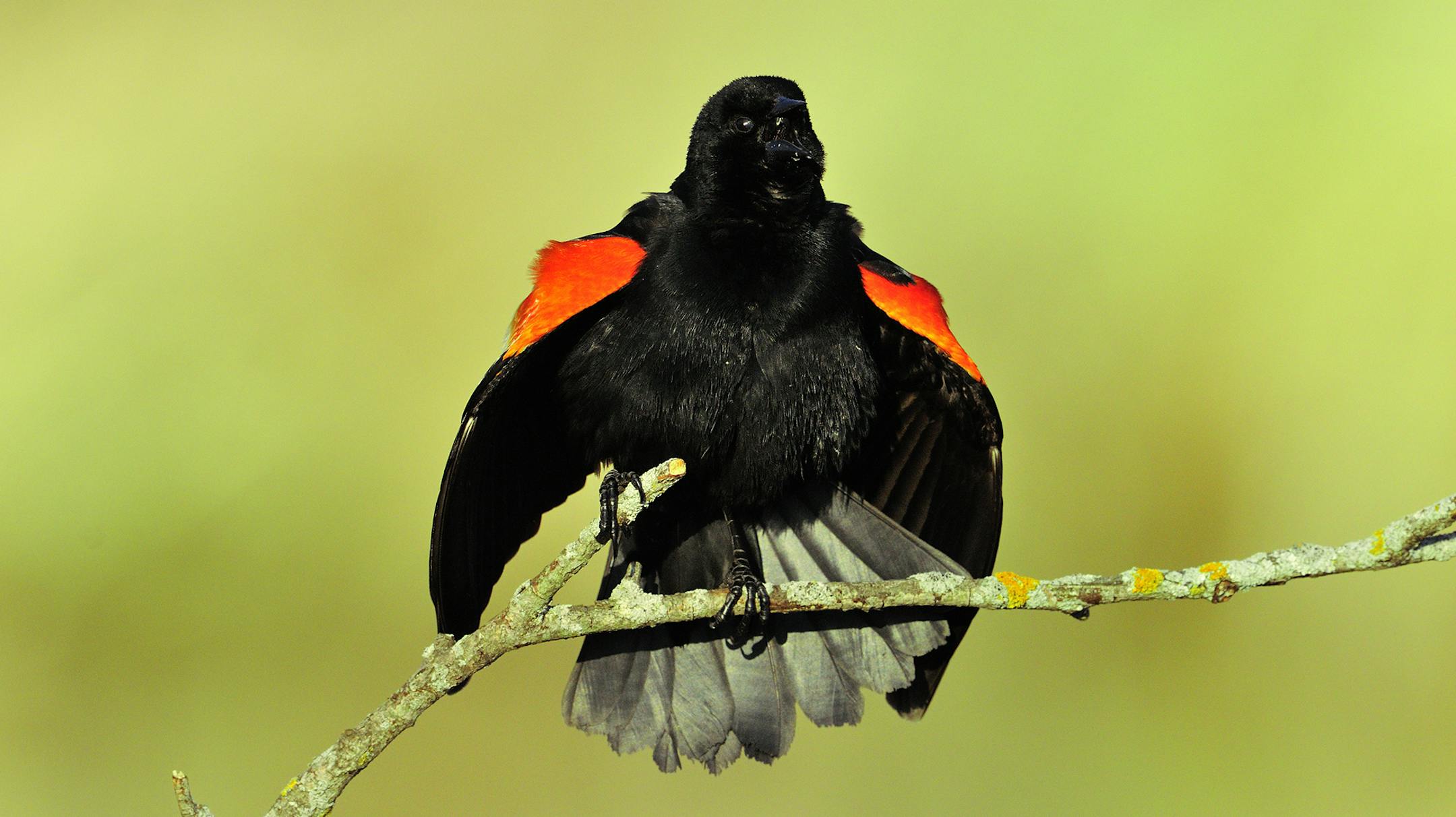
Minnesota's undeveloped shorelines hold a good variety of birds, including red-winged blackbirds, green herons, kingfishers and several species of ducks, sometimes with ducklings in tow. Also listen for bitterns and rails, especially when boating through cattail and wild rice habitat. Bitterns and rails will usually stay hidden, but their calls can provide a pleasant soundtrack to a day on the water.

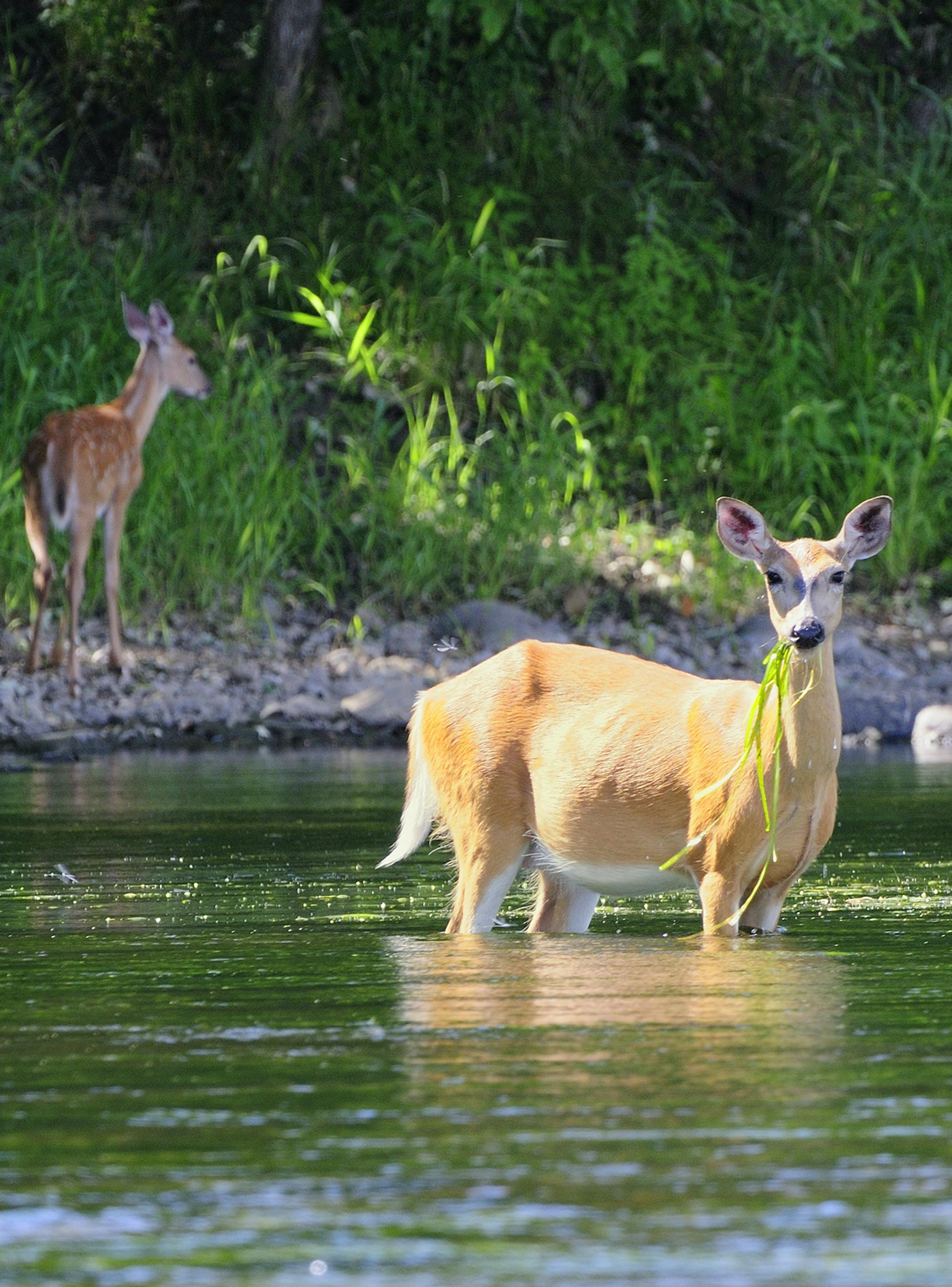
Boats provide excellent perspectives on mammals, too. Beavers, muskrats, mink and otters frequent the banks and shorelines of rivers and lakes statewide. White-tailed deer are often spotted belly deep in the water, feeding on various aquatic vegetation.

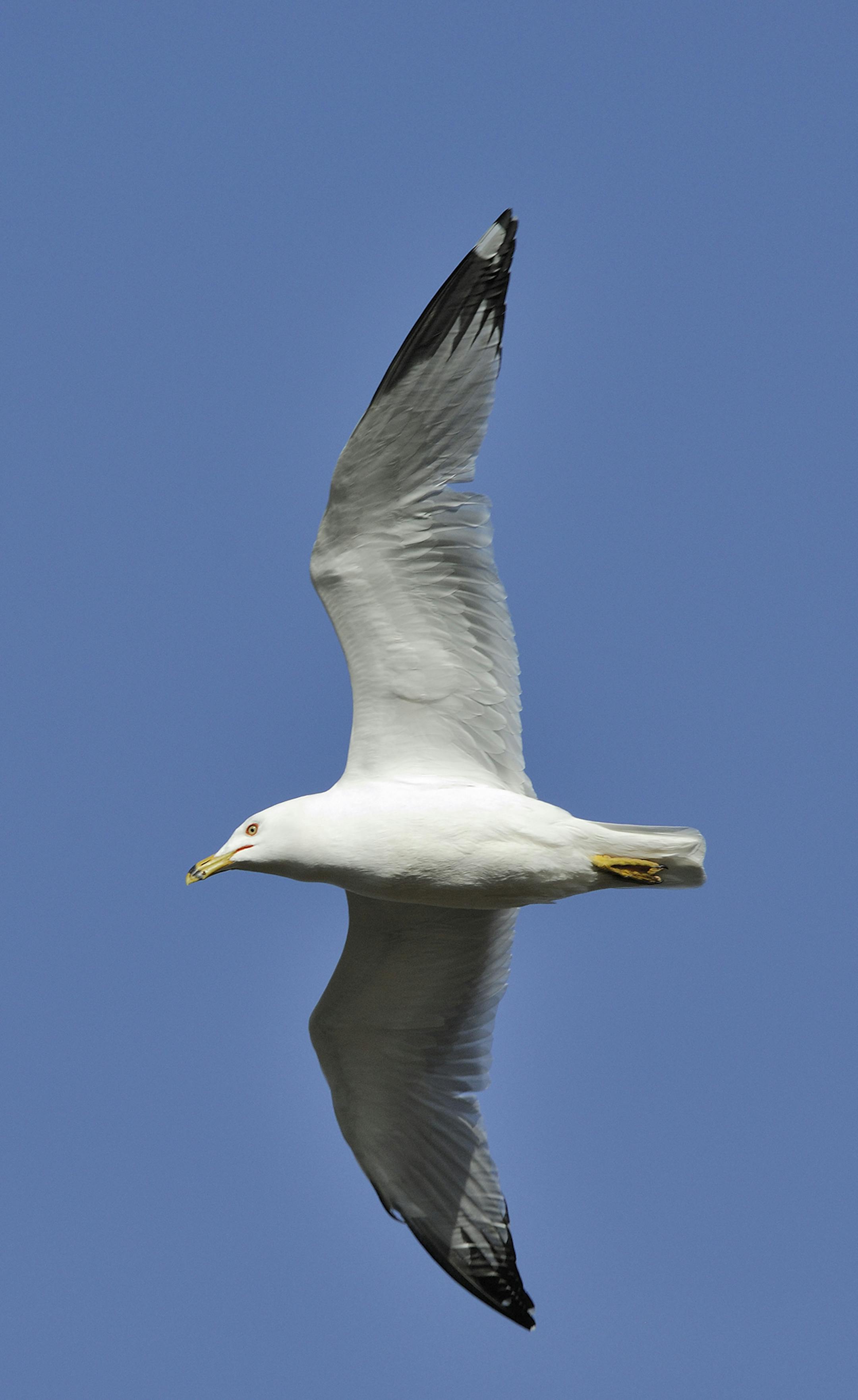
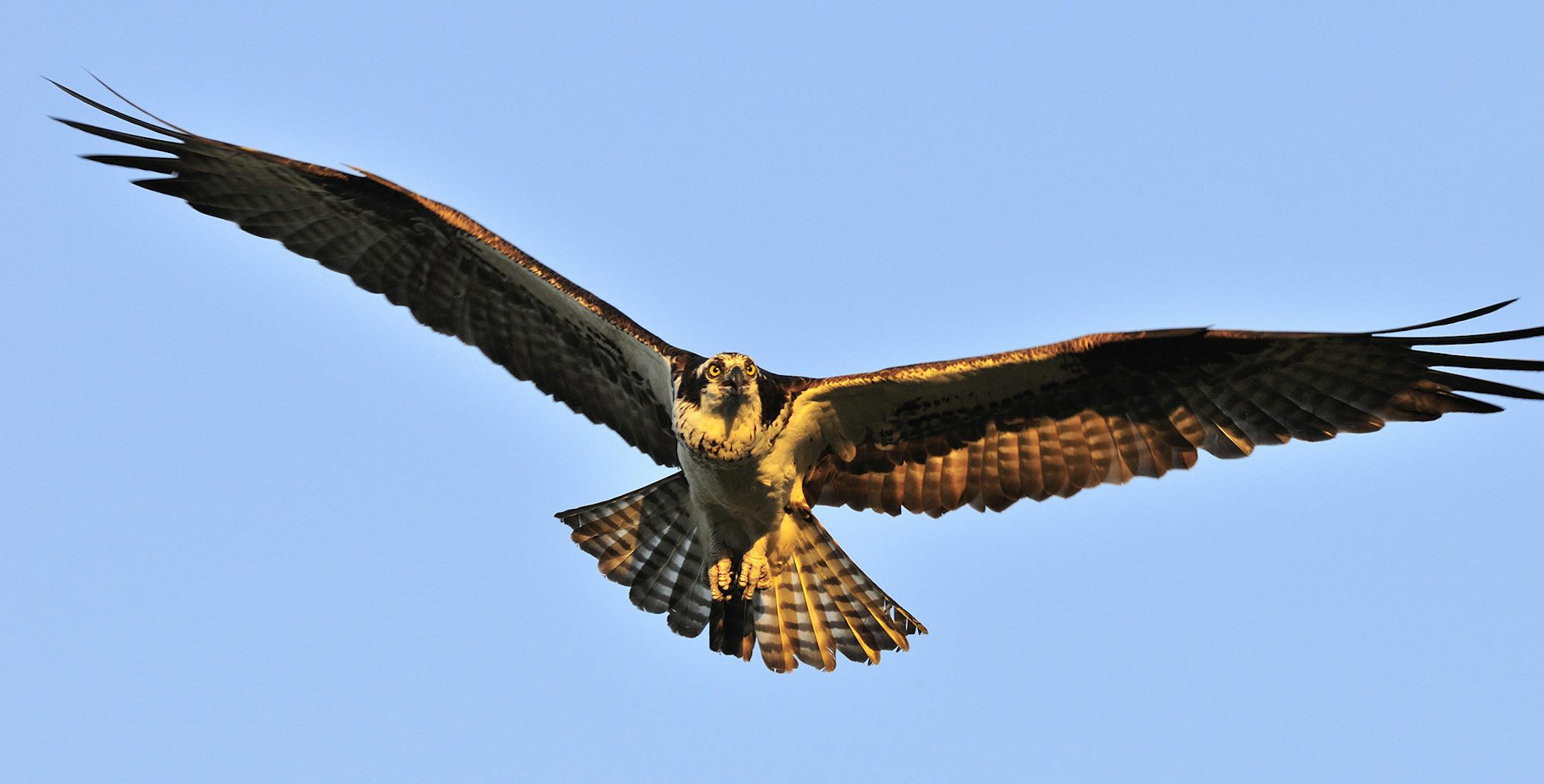
And don't forget to look up! The airspace above Minnesota's lakes is full of bald eagles, ospreys and, of course, a variety of gulls. □
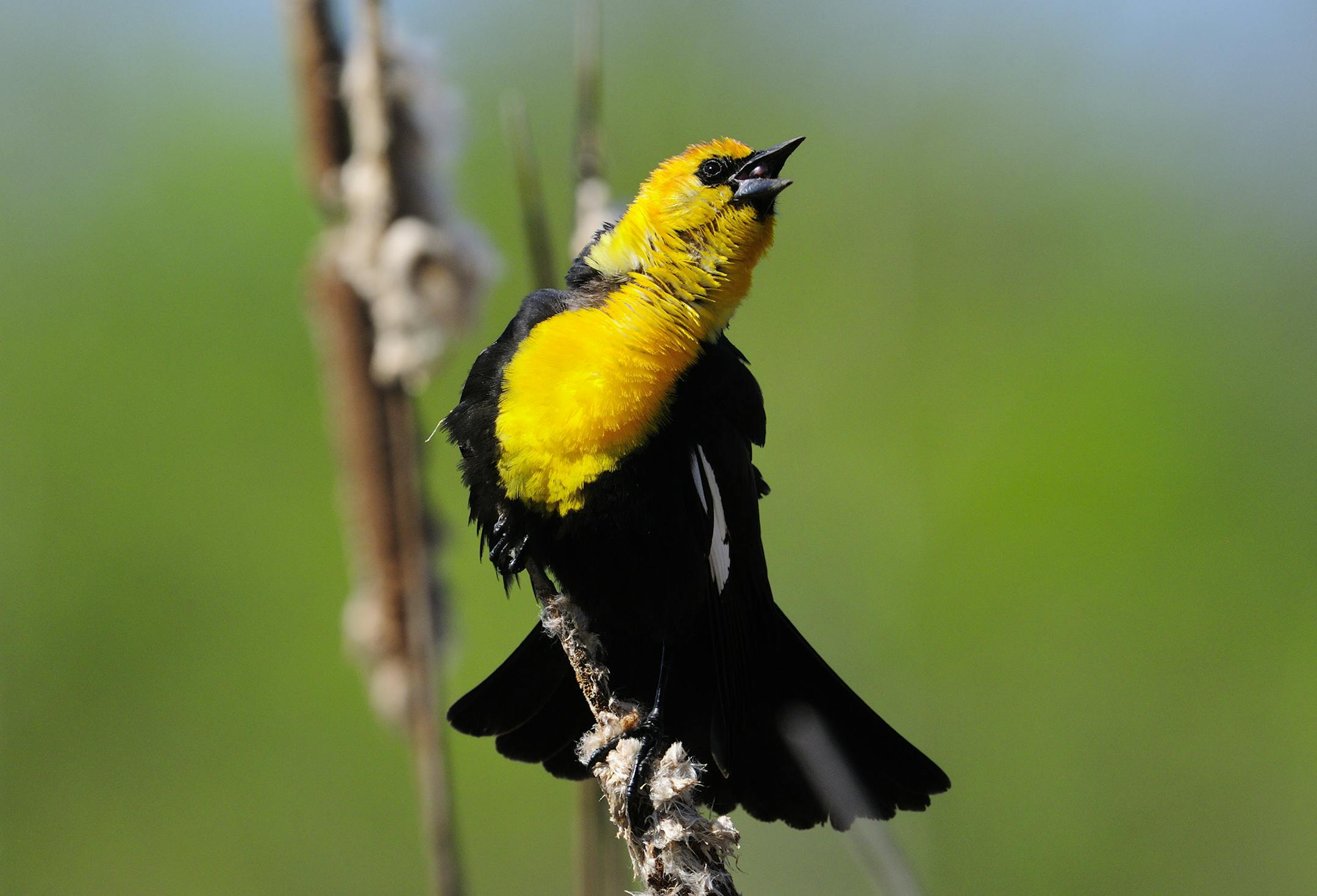


DO NOT USE. ONE-TIME ONLY WITH BILL MARCHEL COPY. Photo by Bill Marchel. Yellow-headed blackbirds typically nest in colonies. Where there's one there are likely others.
Yellow-headed blackbirds typically nest in colonies. Where there’s one there are likely others. (The Minnesota Star Tribune)
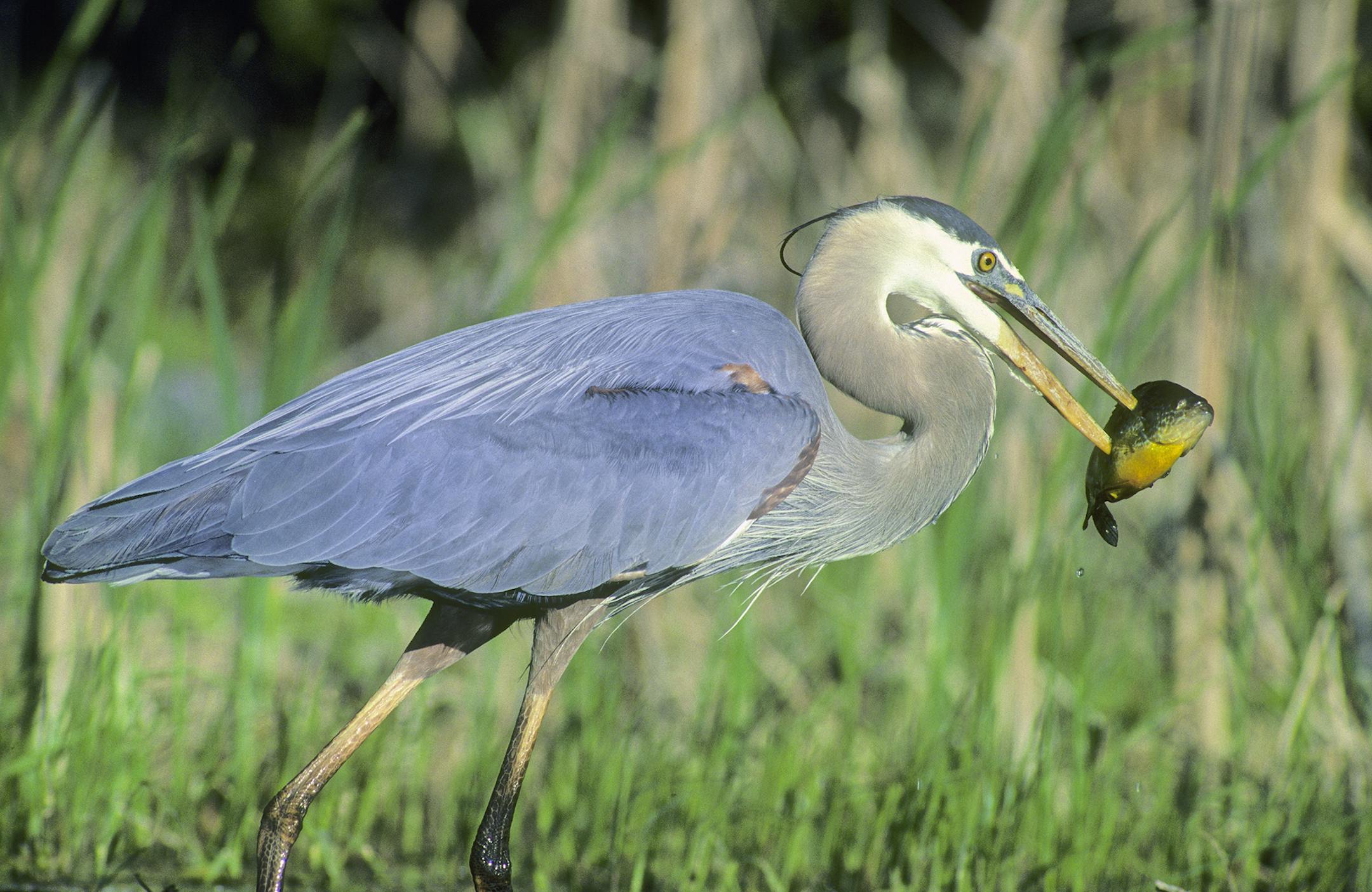
DO NOT USE. ONE-TIME ONLY WITH BILL MARCHEL COPY. Photo by Bill Marchel. This great blue heron just captured a sunfish. The long-legged wading birds are a favorite sight for many boaters.
This great blue heron just captured a sunfish. These long-legged wading birds are a favorite sight for many boaters. The statuesque bird is known to hunt a variety of freshwater habitats, from riverbanks to back-yard ponds. (The Minnesota Star Tribune)
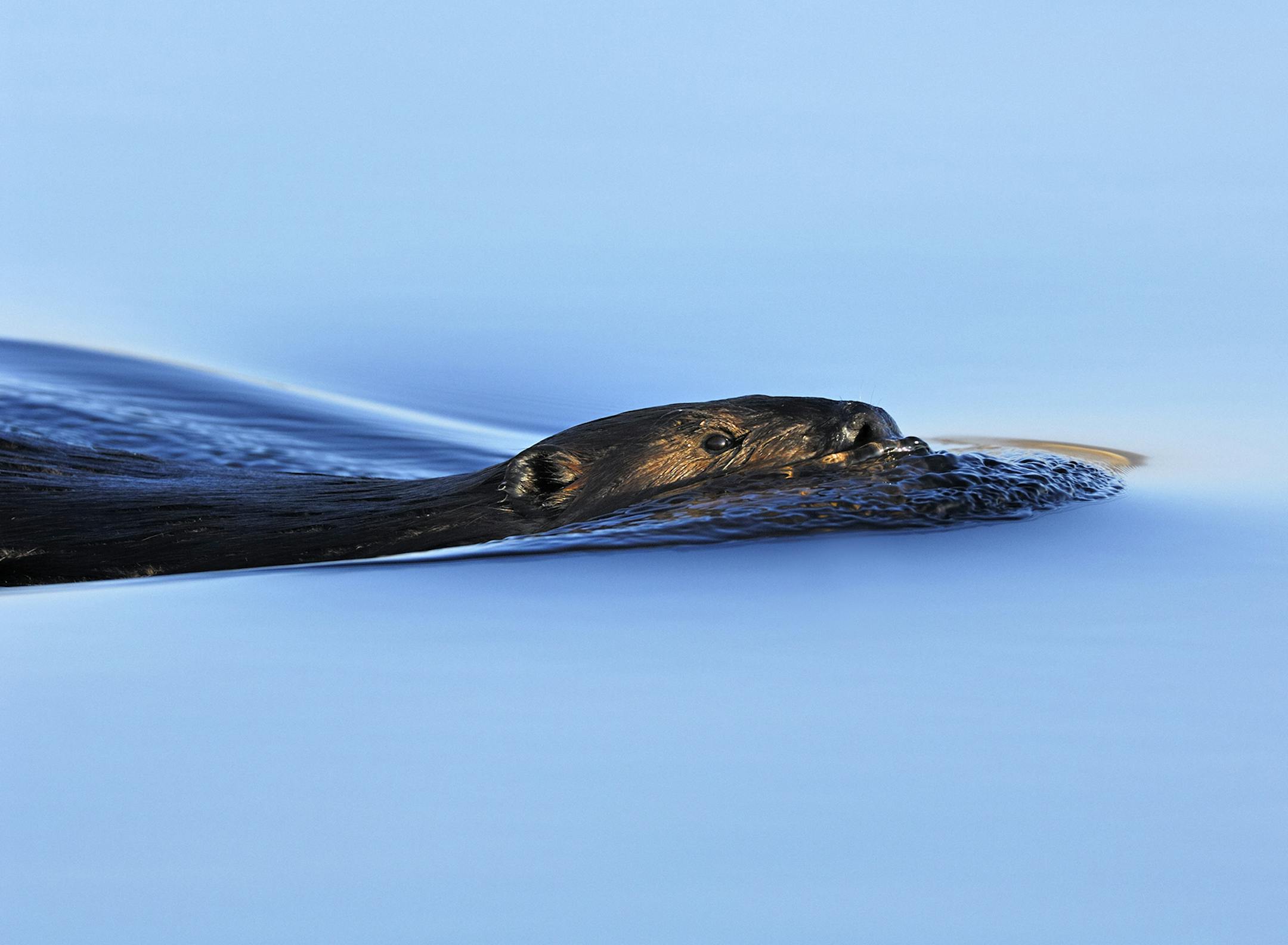
DO NOT USE. ONE-TIME ONLY WITH BILL MARCHEL COPY. Photo by Bill Marchel. Boaters can occasionally spot beavers cuttin V's in calm water.
Boaters can occasionally spot beavers cuttin Vs in calm water. (The Minnesota Star Tribune)
DO NOT USE. ONE-TIME ONLY WITH BILL MARCHEL COPY. Photo by Bill Marchel. A whiltetail doe has a mouthful of wild celery, a favorite summertime food for deer. Early morning and late afternoon are the best times for boaters to spot deer.
This whitetail doe has a mouthful of wild celery, a favorite summer food for Minnesota deer populations. Early morning and late afternoon are the best times for boaters to spot deer on the water. (The Minnesota Star Tribune)
DO NOT USE. ONE-TIME ONLY WITH BILL MARCHEL COPY. Photo by Bill Marchel. Red-winged blackbirds are common along marshy lakeshores. This male is calling as it flashes the signature shoulder patches or epaulettes.
Red-winged blackbirds are common along marshy lakeshores throughout the state. This male was photographed mid-call as it flashed its signature shoulder patches, known as epaulets. (The Minnesota Star Tribune)
DO NOT USE. ONE-TIME ONLY WITH BILL MARCHEL COPY. Photo by Bill Marchel. No water outing is complete without a seagull sighting. This ring-billed gull is the most common species in Minnesota.
Seagulls are ubiquitous on lakes, rivers and oceanfronts throughout the country, but this ring-billed gull is the most common species in Minnesota. (The Minnesota Star Tribune)
DO NOT USE. ONE-TIME ONLY WITH BILL MARCHEL COPY. Photo by Bill Marchel. Ospreys have become common in recent years. Boaters are likely to spot an otter or two, but the luckiest will witness one diving into the water for prey.
As osprey populations have rebounded, sightings have become more common. These raptors feed on live fish — watch for them swooping into lakes and rivers in pursuit of their prey. (The Minnesota Star Tribune)
about the writer

about the writer

Photo essay by Bill Marchel