

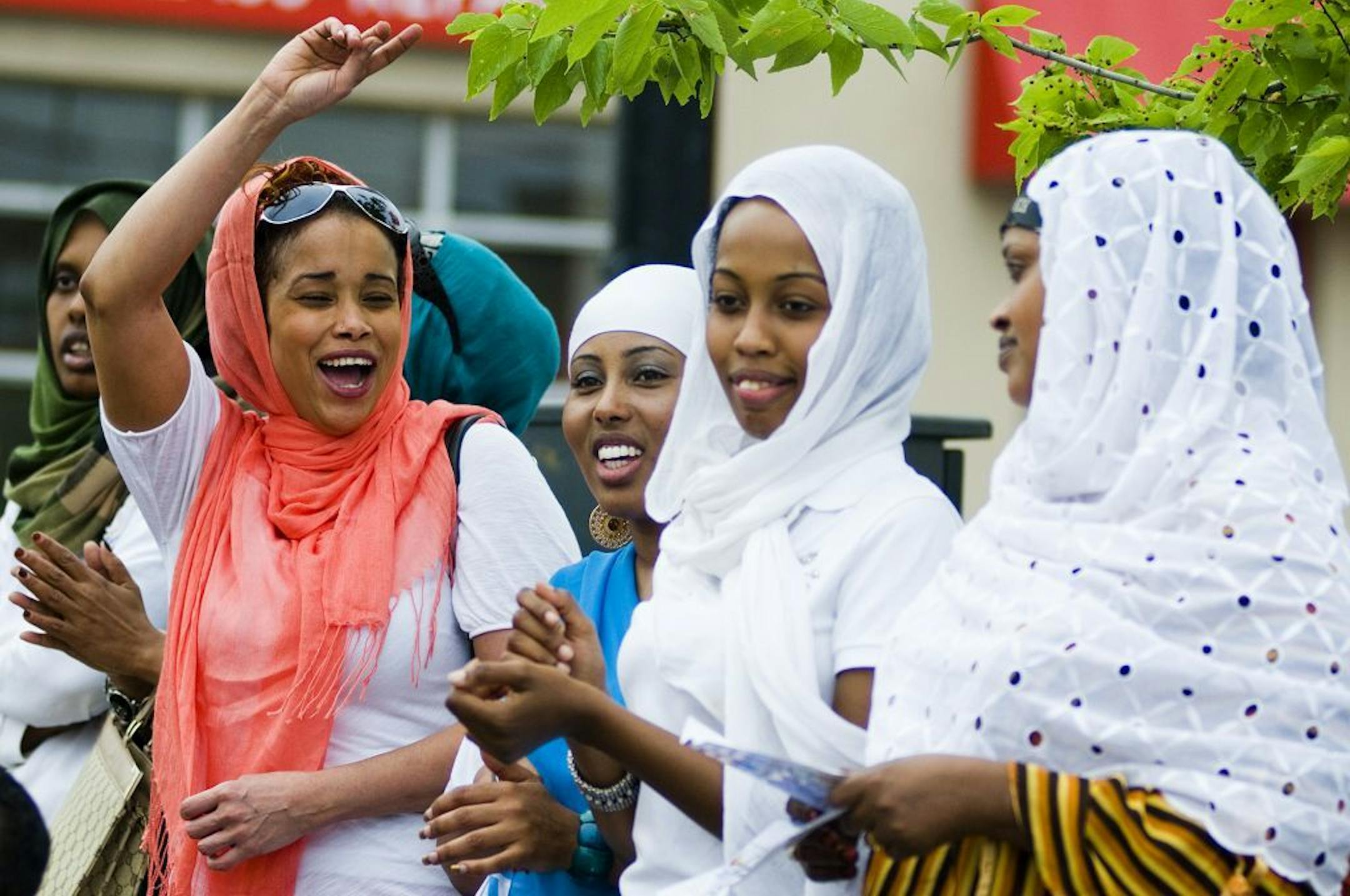
THE OFFICIAL COUNT
The new estimate of people of Somali descent in Minnesota is over 32,000, based on American Community Surveys taken by the Census Bureau from 2008-10. This updates last year's tally of nearly 27,000 Somalis.
MARGIN OF ERROR
The survey's margin of error means the population could be as high as 36,000 or as low as 29,000.
"The [Somali] community has long felt it is a bit larger than the Census Bureau estimate, but this number doesn't feel uncomfortable to me," State Demographer Tom Gillaspy said.
THE UNOFFICIAL COUNT
Minnesota Somalis put the number much higher -- about 70,000 according to the Confederation of Somali Community in Minnesota.
WHO'S INCLUDED?
The estimate includes people born in Somalia and their descendants.
ELSEWHERE
Other states with large Somali populations: Ohio with 12,300; Washington with 9,300; and California with 7,500.
A CLOSER LOOK
Like most immigrant groups, Somalis in Minnesota are younger than the general population. The median age is about 25 years and about half are 24 years old or younger. The statewide median age is more than a decade older at 37 years, and only about a third of the population is 24 or younger.
THE BIGGER PICTURE
The Somali immigration to Minnesota has been the largest part of a broader influx of people from sub-Saharan Africa. That group now numbers more than 100,000, according to the new estimates.

