

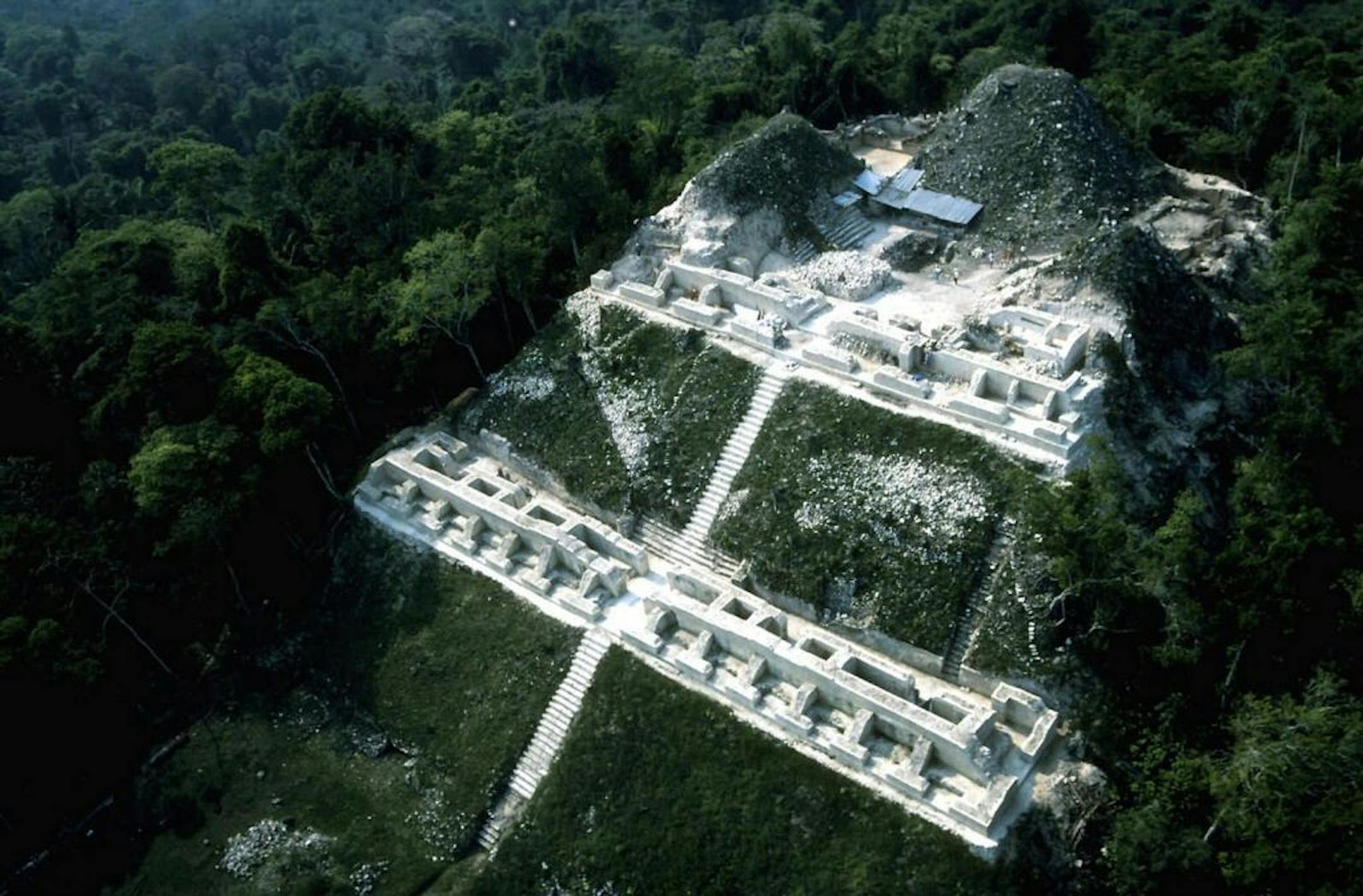
Ever since its demise, the Maya civilization has been shrouded in mystery and misinformation.
A kind, gentle people? No.
Extinct? Nope.
Purveyors of a calendar that foretells the end of the world in December 2012? Not a chance.
"This is just the end of a long count, a 5,000-year cycle," said Phyllis E. Messenger of the Maya Society of Minnesota about 2012. "It's like turning over the calendar page at the end of a millennium. The idea that they were predicting the end of the world is a myth."
Although the Maya civilization seemed to disappear in the ninth century, its legacy lives on with groups such as the society, which is in its 33rd year and kicks off its lecture series Friday. The Maya also live on literally, with about 6 million descendants worldwide, some of whom live in the Twin Cities, Messenger said.
We're learning a lot about the culture as archaeologists unearth more ruins and translate Maya hieroglyphics. One aspect of the civilization that has survived the test of time and scrutiny, said Messenger, who is a grants coordinator at the University of Minnesota's Institute for Advanced Study, is "that sense of this wonderful ancient culture that rose to a certain level of sophistication and art that we long for."
But the Maya hardly fit a mold that was cast for them in another period of intense interest several decades ago.


