

AUGSBURG, Germany — It started with a routine check by German tax inspectors — and resulted in the discovery of an art hoard so vast and spectacular that no one yet knows how the story truly ends.
On a high-speed train from Zurich to Munich on Sept. 22, 2010, Germany's briskly polite officialdom was on the lookout for customs and tax cheats. Thousands of German citizens had bank accounts in Switzerland, many of them undeclared, and the route from Zurich was a prime target for those carrying substantial sums of cash.
One elderly man on the train raised their suspicions and prosecutors launched a preliminary tax probe against him.
Two years later, in February 2012, the trail led to the man's apartment in a wealthy district of Munich. Once inside, inspectors found a far more glittering prize than smuggled cash or evaded taxes: a huge collection of hidden artwork that sheds new light on some of the 20th-century's master painters and reawakens painful memories of Germany's Nazi past.
The paintings, drawings, engravings, woodcuts and prints numbered more than 1,400 in all and were created by an all-star roster of modern art: Marc Chagall, Henri Matisse, Pablo Picasso, Pierre-Auguste Renoir, Oskar Kokoschka, and leading German artists Otto Dix, Max Liebermann, Ernst Ludwig Kirchner. At least one older work was in the trove: a 16th-century engraving of the Crucifixion by Albrecht Durer.
Some pieces — ones by Matisse, Chagall, Dix — were previously unknown, not listed in the detailed inventories compiled by art scholars.
Investigators' excitement at the find was tempered by a disturbing question. At least some of the works had apparently been seized by the Nazis — so who were they taken from and who now are their rightful owners?
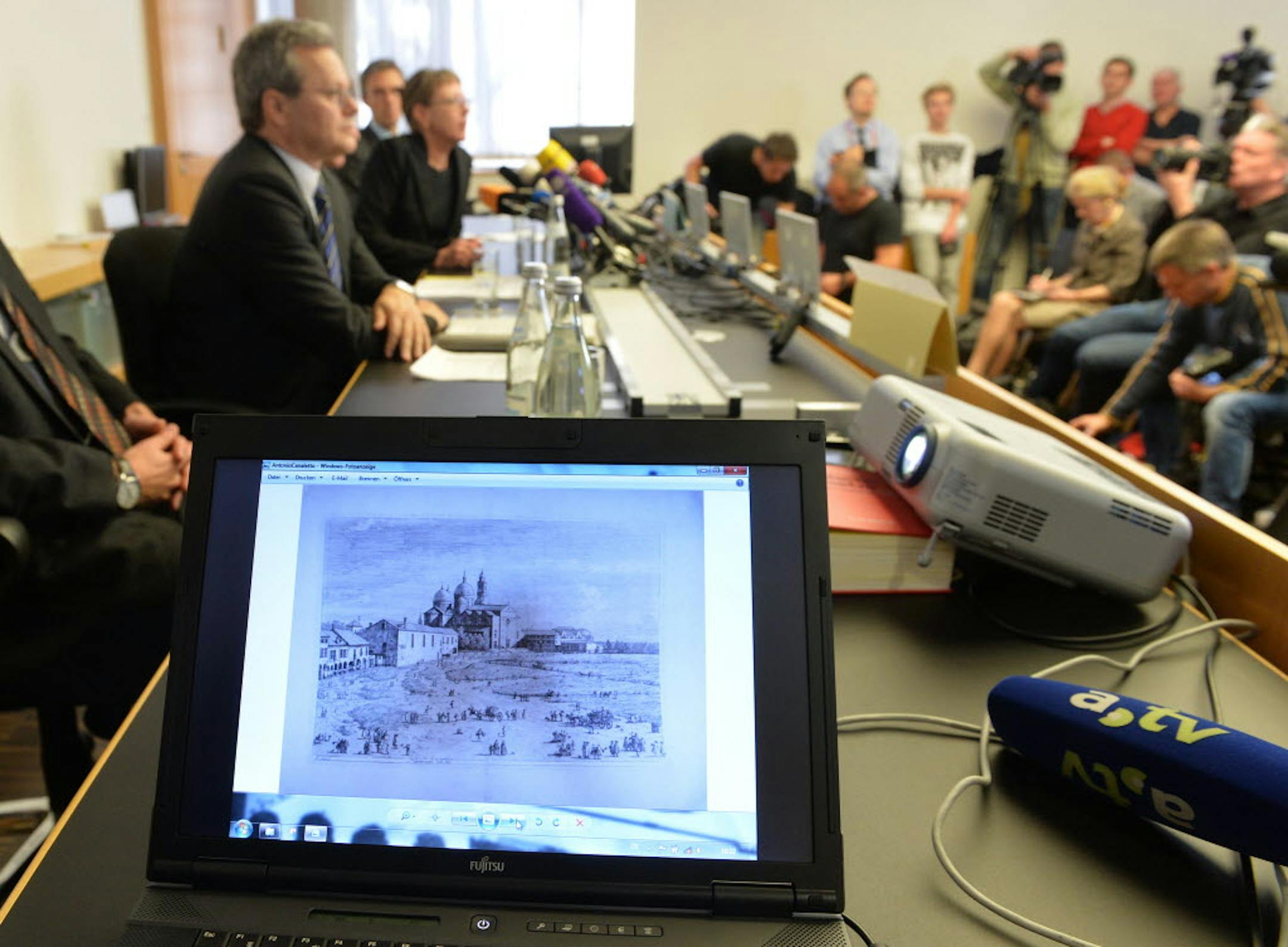
At a news conference Tuesday in Augsburg, Germany, prosecutors wouldn't identify the elderly suspect, citing tax secrecy laws and the ongoing investigation. They did say he hasn't asked for the artwork back and that they were not currently in contact with him.


