Review: These 12 beautiful new picture books for children have Minnesota ties

A leaf fort, a war hero and a cold-averse penguin are featured in these titles, all with local connections.

For the Minnesota Star Tribune
November 15, 2025 at 5:06PM
illustration of mountains and sea
Inspired by an Ojibwe tale, "The Naming of Aki" is about human and wolf ancestors, discovering the earth. (Written by Thomas Peacock, with illustrations by Allison Horner. Courtesy of the Minnesota Historical Society Press.) (Allison Horner/MN Hist. Soc. Press)

There’s a lot of love in 12 new picture books for children — of the outdoors, the night sky, winter, human rights, of friendship. All of these books have local ties — Minnesota writers, illustrators or publishers. Or, if nothing else, Minnesota weather: that is, snow.
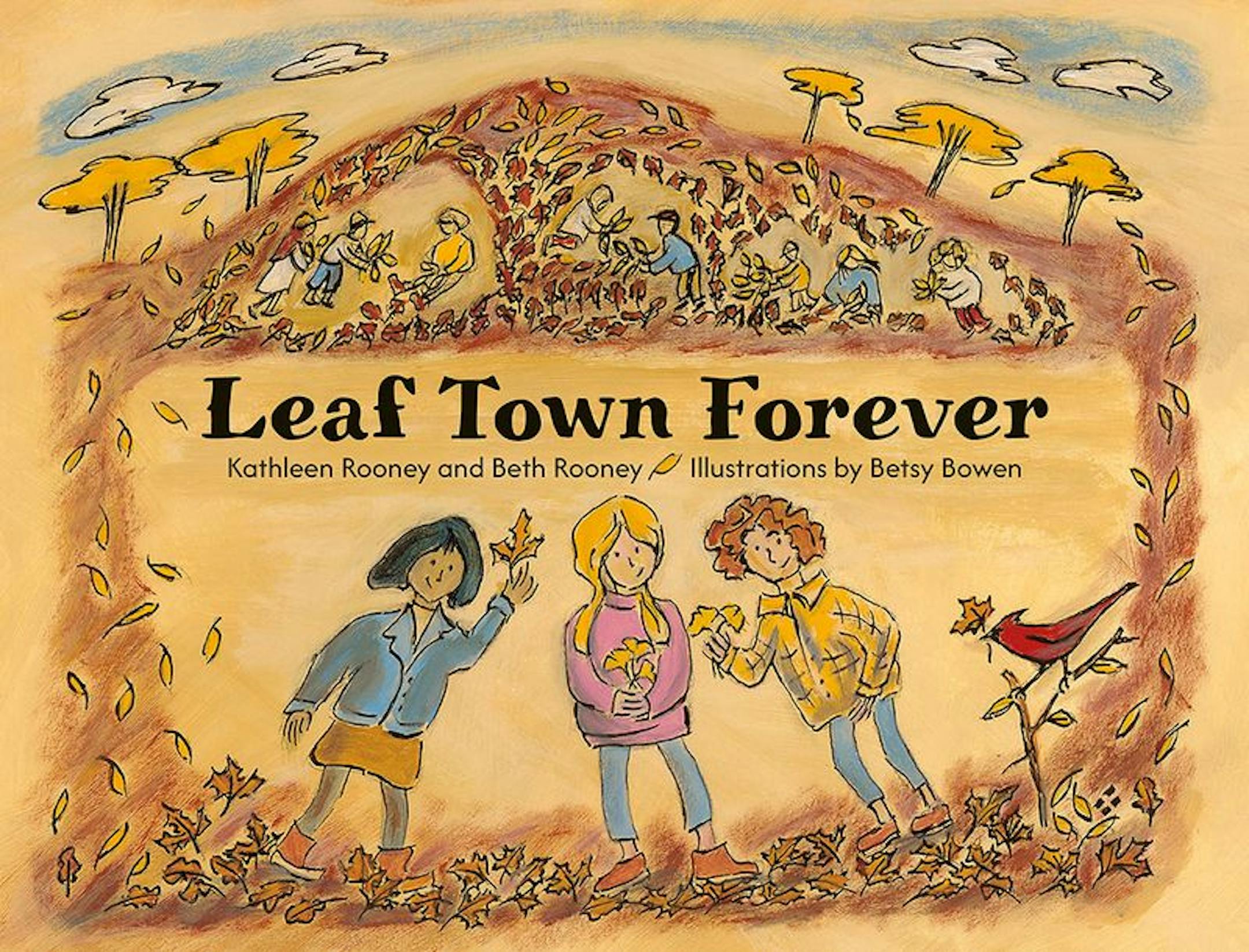
cover of Leaf Town Forever is an illustration that features children playing in leaves, surrounded by trees, clouds and birds
Leaf Town Forever (University of Minnesota Press)

Leaf Town Forever, by Kathleen Rooney and Beth Rooney, illustrated by Betsy Bowen. University of Minnesota Press.

The Rooney sisters team up with Grand Marais artist Bowen for an appealing story that celebrates perseverance, creativity and friendship. Told in haikus with autumnal illustrations, it’s the story of children who build a whole town out of fallen leaves and imagination. They furnish it with acorns, feathers and other found things — including a very important skeleton key — until one day when other kids try to destroy their work. Now what? Based on a true story that took place during the COVID years, “Leaf Town Forever” celebrates community in a most beautiful way.
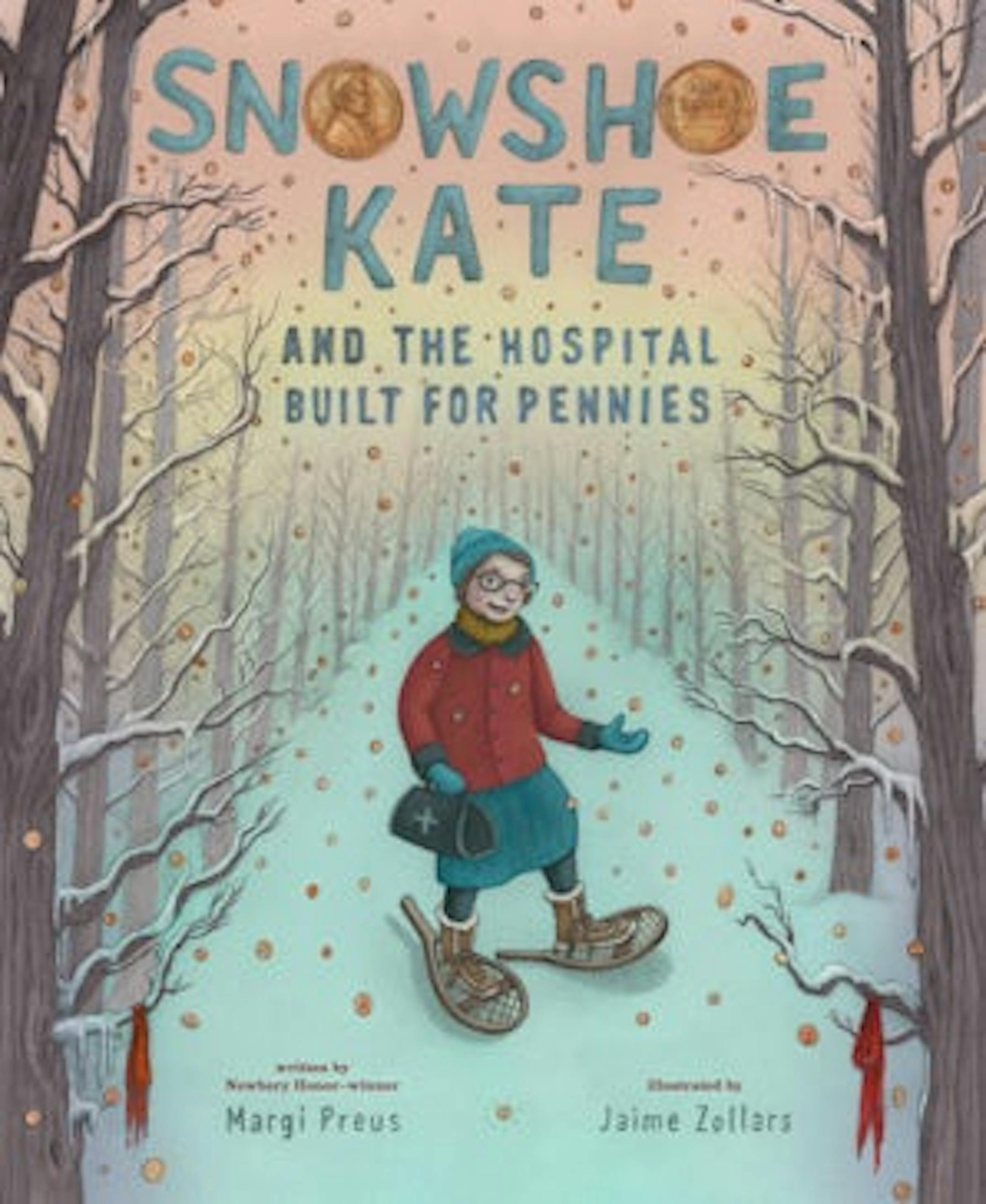
cover of Snowshoe Kate and the Hospital Built for Pennies is an illustration of a girl in a snowy forest, clad in snowshoes
Snowshoe Kate and the Hospital Built for Pennies (Abrams)

Snowshoe Kate and the Hospital Built for Pennies by Margi Preus, illustrated by Jaime Zollars. Abrams.

Duluth writer and Newbery Honor winner Preus has written another fascinating book about an important but mostly forgotten slice of history. In the 1940s, folks in rural Wisconsin summoned the doctor by tying a red rag to a branch and hoping Dr. Kate noticed it on her rounds. Kate Pelham Newcomb made house calls by car, snowmobile and snowshoe, delivering babies and treating illnesses. The area needed a hospital. But how? Enter schoolchildren, who started a pennies-for-hospital campaign that became nationwide. This is not just a heartwarming story; it’s a testament to how small actions can bring about enormous change.

cover of The Naming of Aki features a Native man and a wold, walking on a globelike representation of Earth
The Naming of Aki (Minnesota Historical Society Press)

The Naming of Aki by Thomas Peacock, illustrated by Allison Horner, Minnesota Historical Society Press.

When the world (Aki) was first created, nothing had a name. And so the Creator called on the First Human to give names to the animals, plants and insects — as well as sounds and emotions. So begins this traditional Ojibwe legend, retold in spare, clean prose by Bayfield, Wis., writer Peacock, a member of the Fond du Lac Band of Lake Superior Ojibwe. First Human walked the world with Ma’iingan, the wolf, and he, “like First Human, was honored and humbled to be the ‘way-ay, namer of things.” Georgia artist Horner’s glowing illustrations add to the dignity and beauty of the tale.
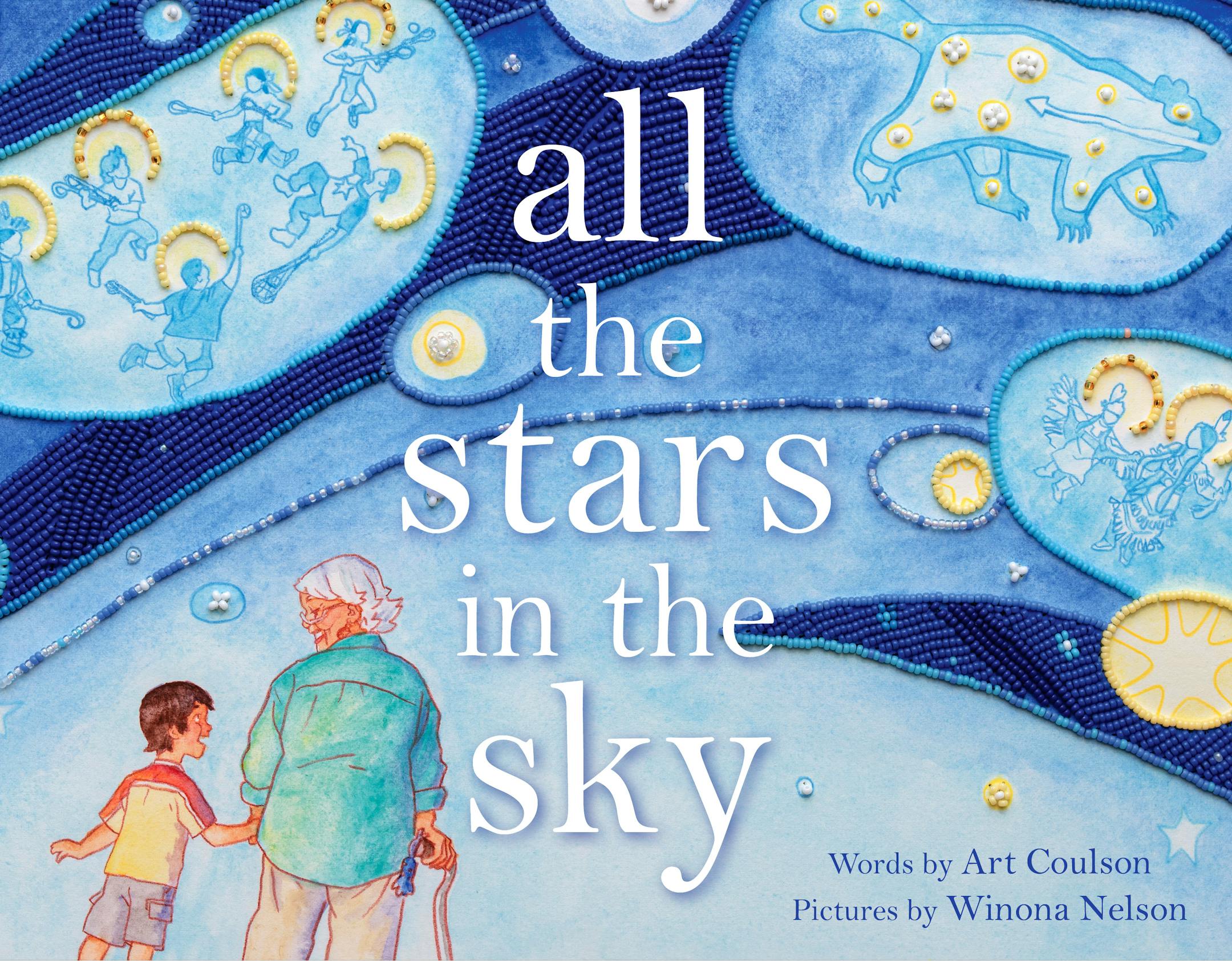
cover of All the Stars in the Sky is a drawing of an older woman and a child, looking up at constellations in the blue sky
All the Stars in the Sky (Simon & Schuster)

All the Stars in the Sky, by Art Coulson, illustrated by Winona Nelson. Simon & Schuster.
There’s a wonderful lesson about community in this book by Minneapolis writer Coulson, who grounds his story in the home and heart of a Cherokee boy. It’s Clay’s desire to be named his classroom’s “star of the week,” and he asks his grandmother for help. But she takes a different view. “Our community is like a constellation made up of many stars,” she tells him. “Each star plays its part.” Ojibwe artist Nelson (who grew up in Duluth) incorporates glass beads into her lovely watercolor-and-colored-pencil illustrations, carefully including one “wrong” bead each time, as is Native tradition.

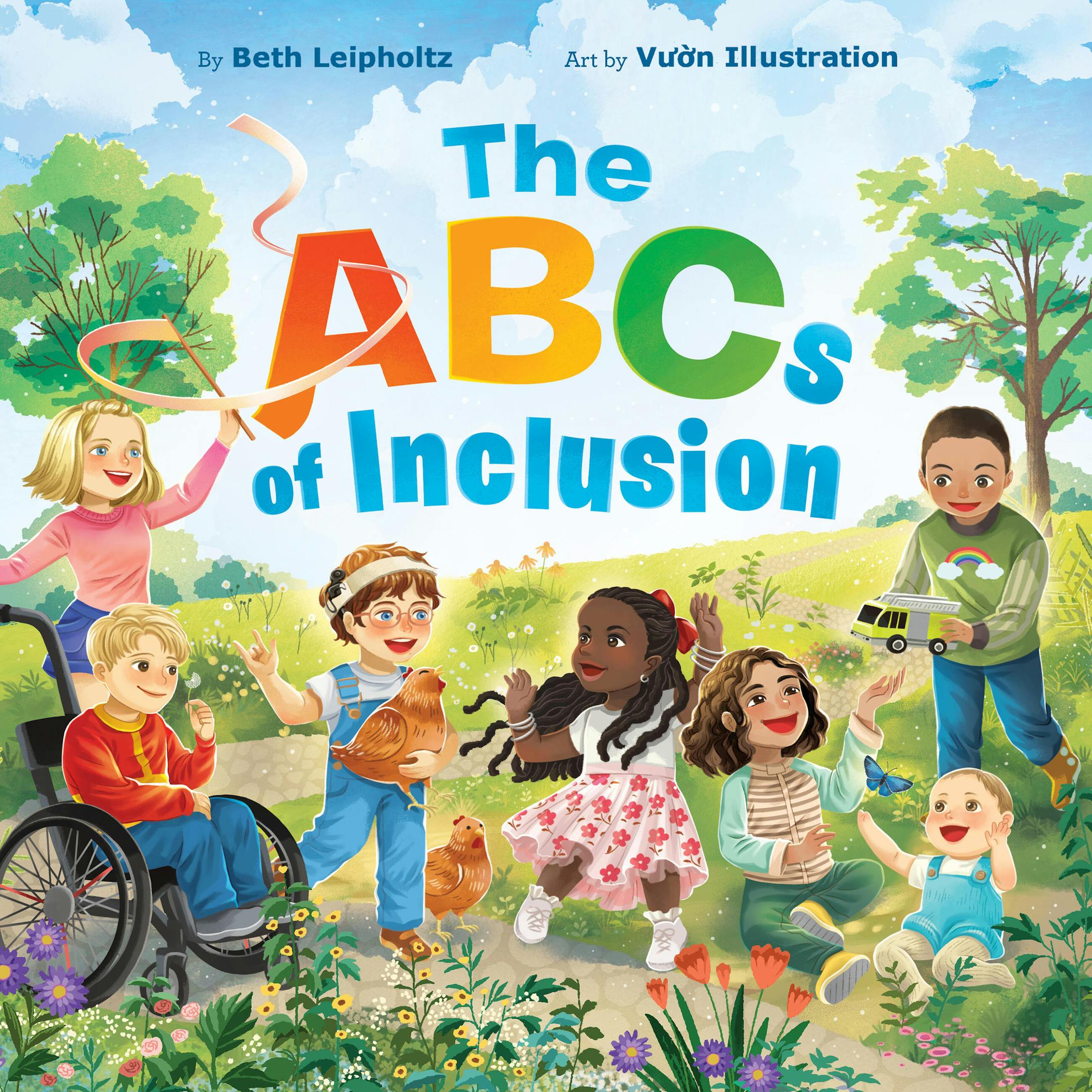
cover of The ABCs of Inclusion is a drawing of several children, laughing and playing in a meadow
The ABCs of Inclusion (Hachette)

The ABCs of Inclusion by Beth Leipholtz, illustrated by Vuon Illustration. Little, Brown.

“Differences are all around us,” Minneapolis writer Leipholtz notes. She understands that for children, people who are different might be off-putting. In this book she introduces readers to 26 children with a variety of conditions. Phoenix is diabetic — but he also loves going to the zoo. Cooper is deaf — and he likes to try teaching his pets sign language. (He is also the author’s son.) Leipholtz’s text is straightforward and reassuring, and readers will understand that kids are kids, no matter what, and their conditions do not define them. Cheerful illustrations by a team in Vietnam are on the cartoony side, but they pulse with joy.

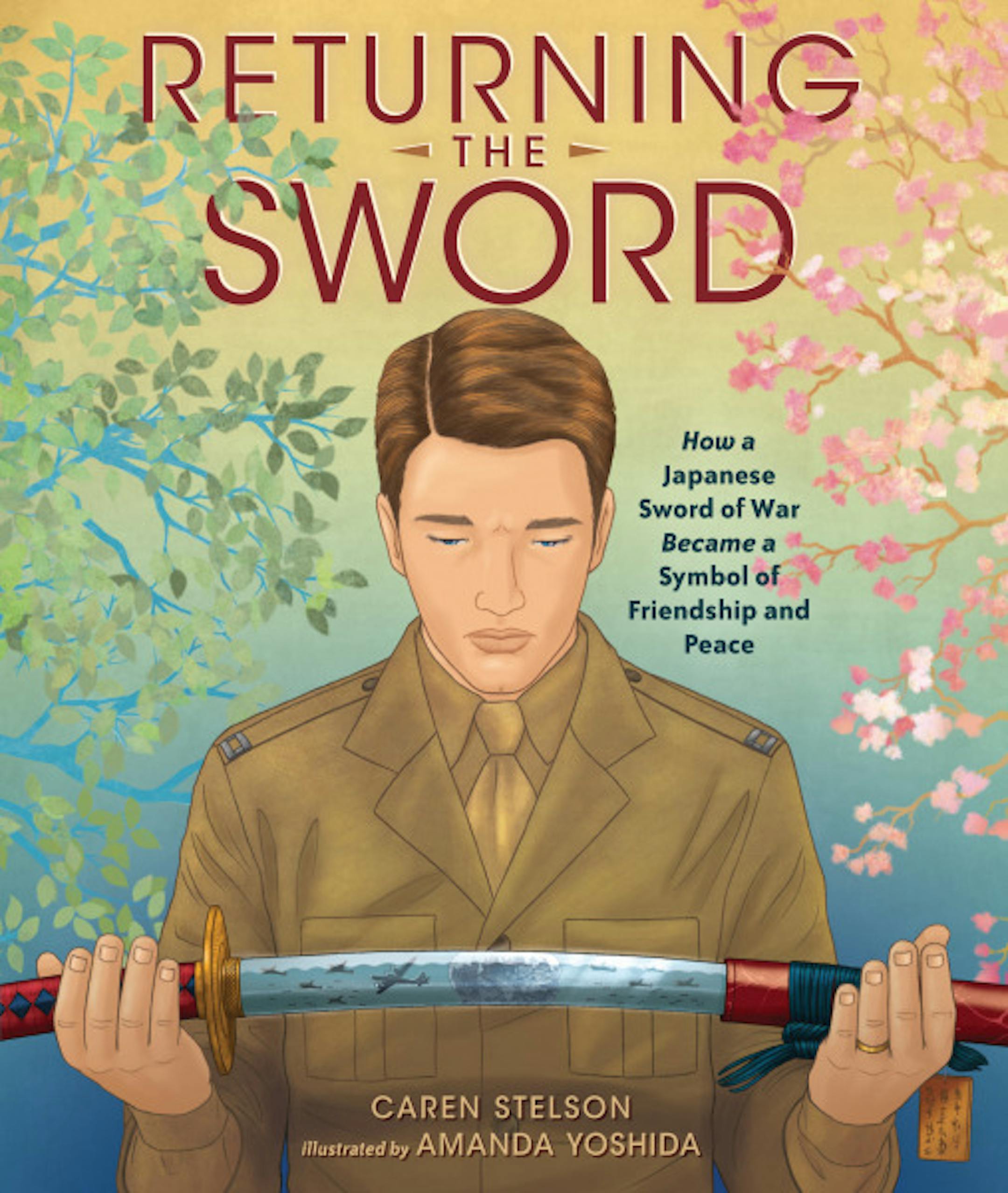
cover of Returning the Sword features a uniformed man carefully holding a sword
Returning the Sword (Lerner Publishing)

Returning the Sword, by Caren Stelson, illustrated by Amanda Yoshida. Carolrhoda.

After World War II, a soldier from Lanesboro, Minn., was sent to Nagasaki to help keep the peace. At the end of his mission, he was given a Japanese sword — one surrendered by a Japanese soldier. Back home, Orval Amdahl grew to realize that the sword was a work of art that belonged back in Japan. Decades later, when Minnesota writer Stelson interviewed him about the war, Amdahl asked for help in returning the sword. Stelson’s book is a moving account of how the Japanese sword was returned to its rightful owner, and how an American soldier found peace.

cover of Revolutions are Made of Love, against a blue backdrop, features drawing of Grace Lee Boggs and James Boggs, facing each other
Revolutions are Made of Love (Carolrhoda)

Revolutions are Made of Love, by Sun Yung Shin and Mélina Mangal, illustrated by Leslie Barlow. Carolrhoda.

In accessible but powerful poems, Minnesota writers Shin and Mangal tell the stories of James Boggs and Grace Lee Boggs, two courageous Americans who fought for civil rights — and who made an enormous difference. Grace Lee was a Chinese American woman who earned a doctorate in philosophy. James was the hardworking grandson of slaves. Both ended up in Detroit, working with unions and fighting to end Jim Crow laws. The poems are simple and strong: “She had found her calling as an activist.” Thrilling words, especially when paired with Minnesota artist Barlow’s heroic illustrations. This is an inspiring book.

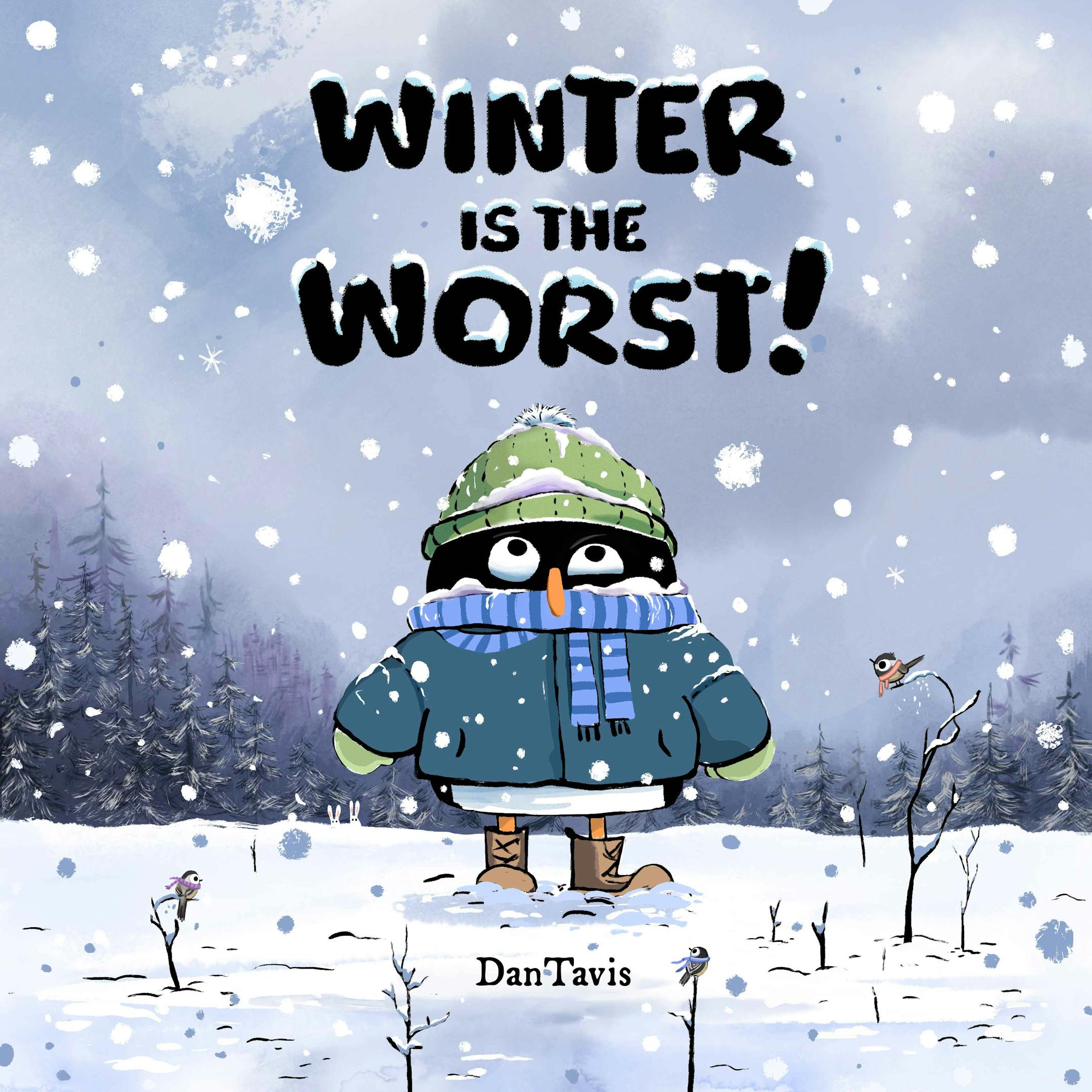
cover of Winter is the Worst features a whimsical illustration of a parka-clad bird standing outside in a snowstorm
Winter is the Worst (Amicus Ink)

Winter is the Worst! by Dan Tavis. Amicus Ink.

What can be funnier than a penguin who hates the cold? He hates the layers of clothes (“I can barely move!”) and the way the wind sears his face. He dislikes snowball fights, and he can’t stand slipping on ice. But lest you think this penguin is actually a crab, there is something he does like: sledding! Writer/illustrator Tavis’ comical illustrations blend brief text with balloons of funny dialogue. Originally published in German (“Winter Nervt!”), the book is dedicated to New England, where — like here — winters are long and summers are short.

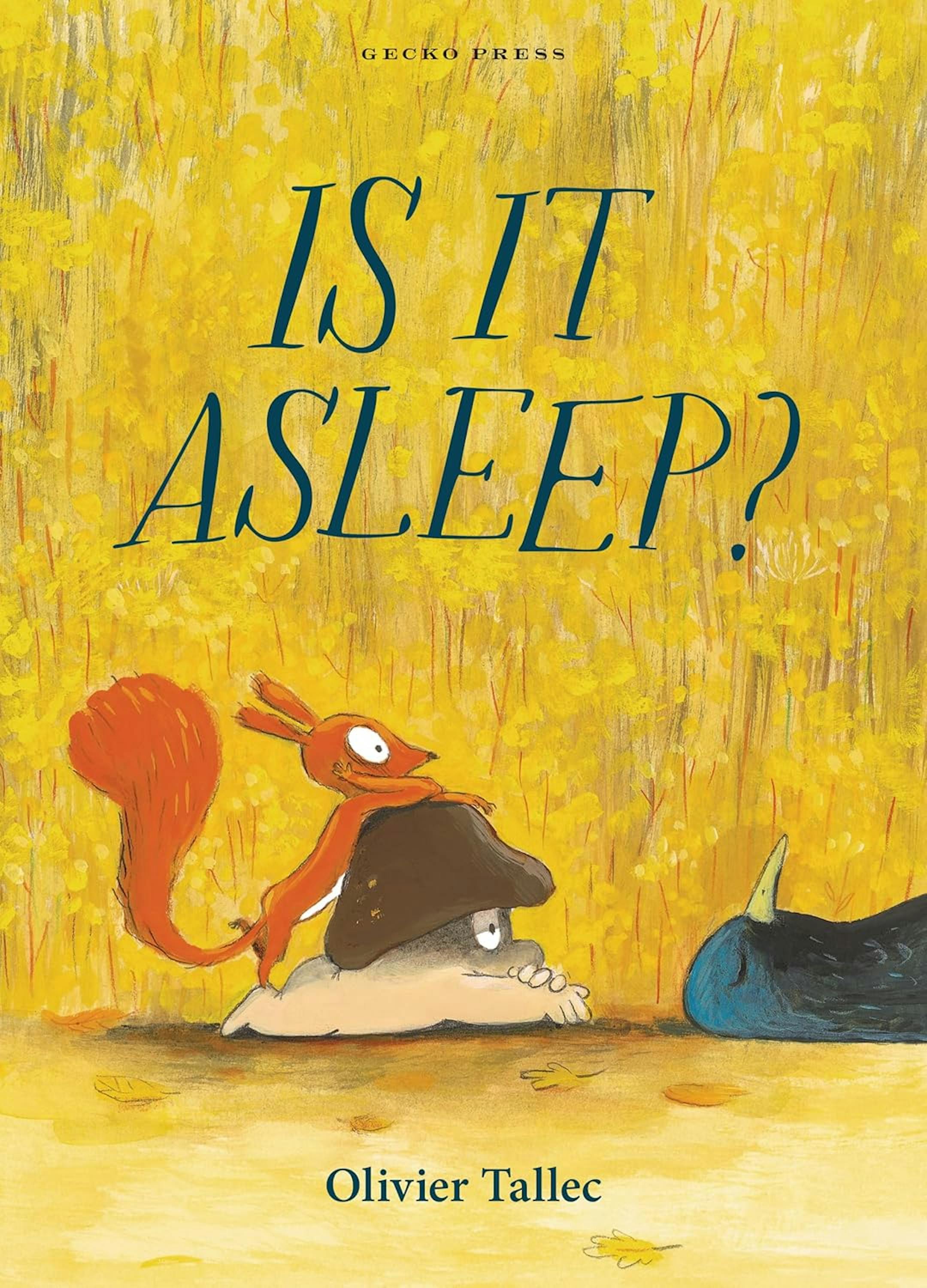
cover of Is It Asleep? is a cartoon, against a yellow backdrop, of two small creatures eyeing the snout of a sleeping, larger creature
Is It Asleep? (Lerner Publishing)

Is it Asleep? by Olivier Tallec, translated by Antony Shugaar. Gecko Press.

Written and illustrated by French artist Tallec, this is a poignant tale about death, softened by sensitive illustrations. Two woodland creatures love to sit on a stump and watch birds fly past. One day they find a blackbird lying in the path, motionless. The friends plan a spectacular burial and read a poem. “I think about the blackbird singing. Then we go for a walk along the river.” This book is piercingly lovely, from the russet and gold illustrations to the carefully chosen words. If a child must learn about death — and sadly, many must — this is a beautiful way.

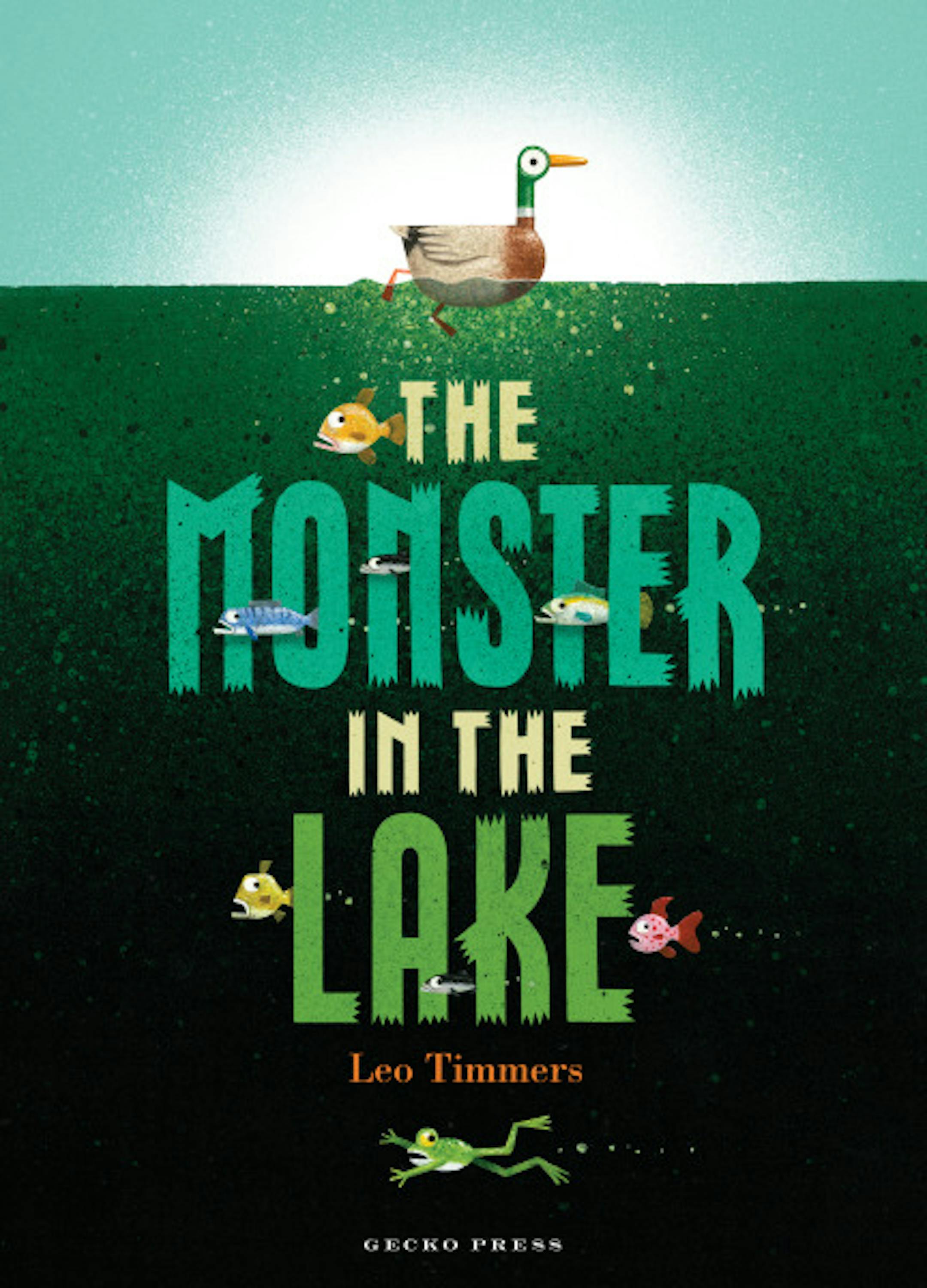
cover of The Monster in the Lake is a cartoony illustration of a duck, paddling across a lake and, under the duck in the water, fish and a frog swimming
The Monster in the Lake (Lerner Publishing)

The Monster in the Lake by Leo Timmers, translated by Bill Nagelkerke. Gecko Press.

Who knows what lies in the deep? Four ducks go for a swim. “But what about the monster?” asks Eric, the most timid of the bunch. “That’s just a story,” the other ducks pooh-pooh. Off they paddle, but Eric sticks his head into the water to be sure, and … Wowzer! The most fabulous of monsters, decked in ribbons and umbrellas and stripes and pocket watches and a huge, toothy grin. Timmers’ illustrations are robust and fabulous, with pages that fold out so readers can admire the secrets of the deep. A funny story about curiosity, courage and happy endings.

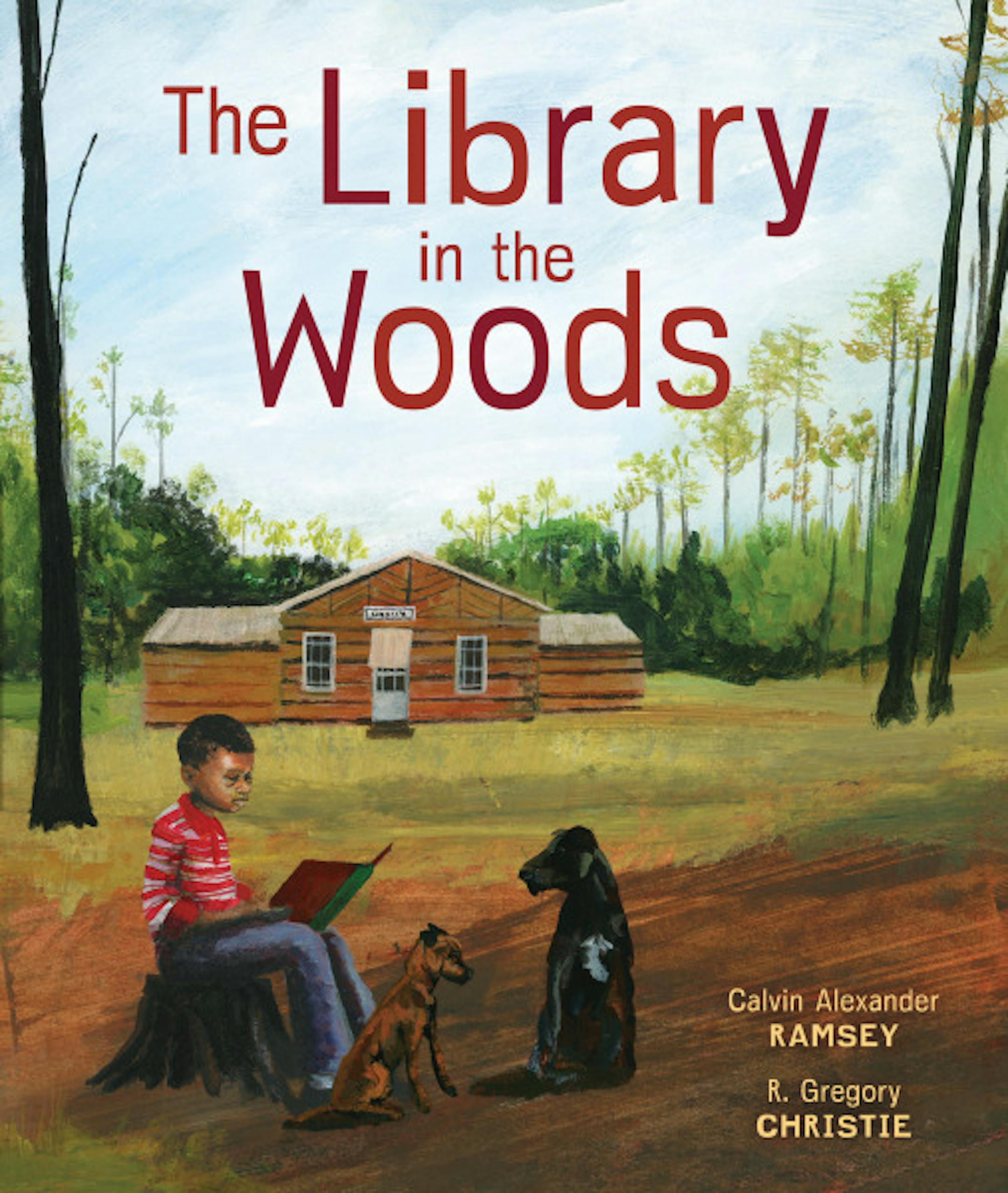
cover of The Library in the Woods features a seated boy, reading a book to two dogs, next to a cabin that is in a clearing in a forest and that is labeled "library"
The Library in the Woods (Lerner Publishing)

The Library in the Woods, by Calvin Alexander Ramsey, illustrated by R. Gregory Christie. Carolrhoda.

In 1959, a young Black child and his parents move from a farm into town. The youth wants to visit the library, but in those years of Jim Crow laws, it was only for white children. “We have our own library,” one of his new friends tells him, leading him to a log cabin in the woods. It’s filled with books by Black authors; the librarian is Black; the atmosphere is welcoming. Ramsey’s story is fiction but based on a log cabin library he frequented as a child in North Carolina. Paintings by award-winning artist Christie are dreamily realistic.

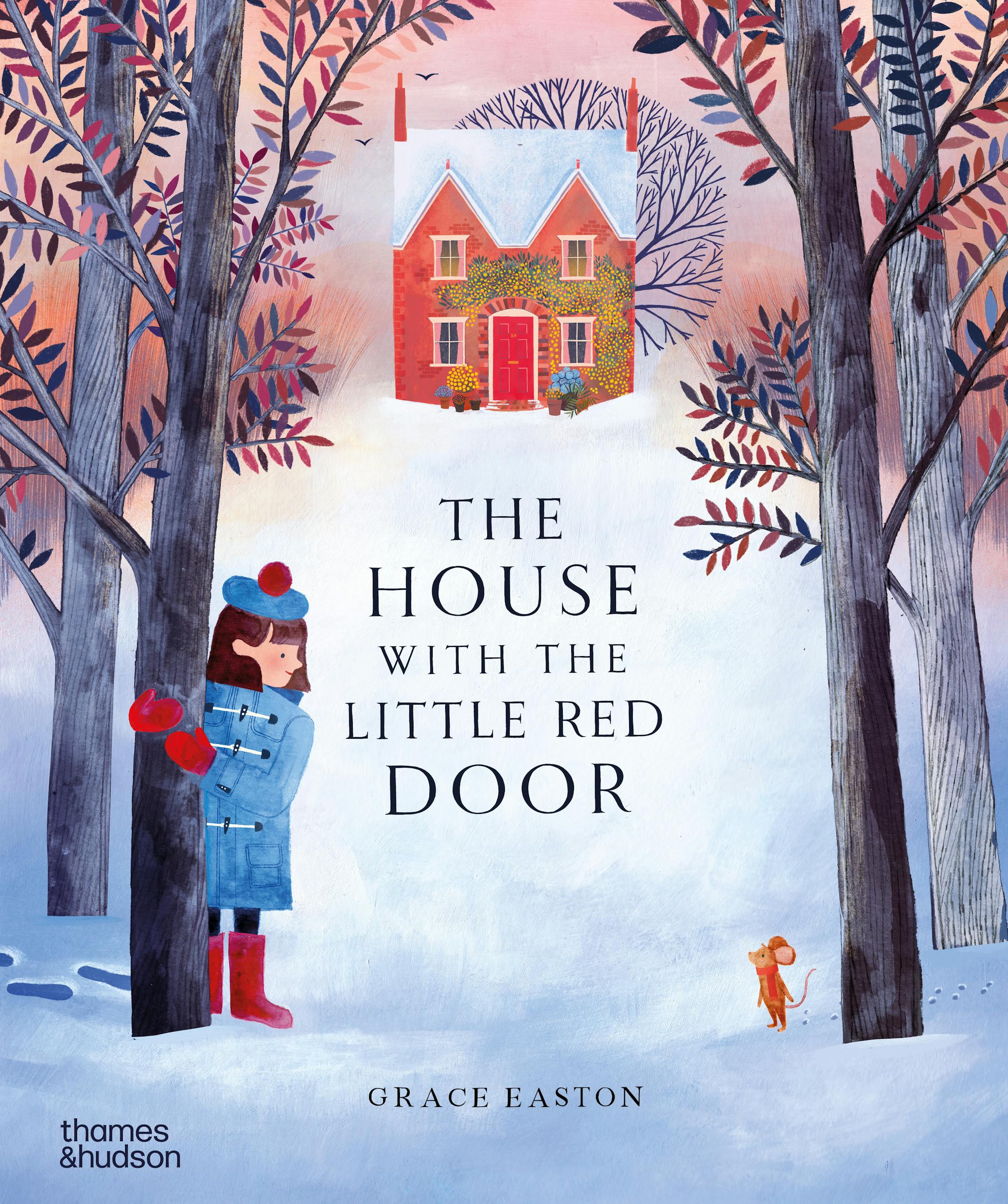
cover of The House with the Little Red Door features a girl in an overcoat in some snowy woods, and a mouse, with a red-doored house in the distance behind them
The House with the Little Red Door (Thames & Hudson)

The House with the Little Red Door, by Grace Easton, Thames & Hudson.

A girl named Olivia lives in a charming cottage with a red front door. Mouse lives in a hole in a tree in her yard. When a snowstorm hits, the tree falls, and Mouse has nowhere to go. Olivia ponders where Mouse can now live. Inside a teapot? Or a cuckoo clock? Or a boot? They find a spot, but even then, something is missing. Easton’s delicate and detailed paintings include flaps that small hands can lift to find further pictures and secrets. This is a satisfying, romantic story about loneliness and friendship, and about what makes a house a home.

Laurie Hertzel is a writer in St. Paul and recipient of the 2023 Kerlan Award for her contributions to children’s literature.

about the writer

about the writer

Laurie Hertzel

Senior Editor

Freelance writer and former Star Tribune books editor Laurie Hertzel is at lauriehertzel@gmail.com.

See Moreicon

More from Books

See More
card image
Provided/Harper, Riverhead, Doubleday

Messed-up families and a cheeky guide to staying alive are among the subjects of these 25 upcoming titles.

photo of author Kamilah Cole
The Rootsí drummer Ahmir ìQuestloveî Thompson on the Main Stage Sunday evening at Soundset 2016. ] JEFF WHEELER ï jeff.wheeler@startribune.com The ninth annual Soundset hip-hop festival took place in its new location at the Minnesota State Fairgrounds Sunday, May 29, 2016 in Falcon Heights.