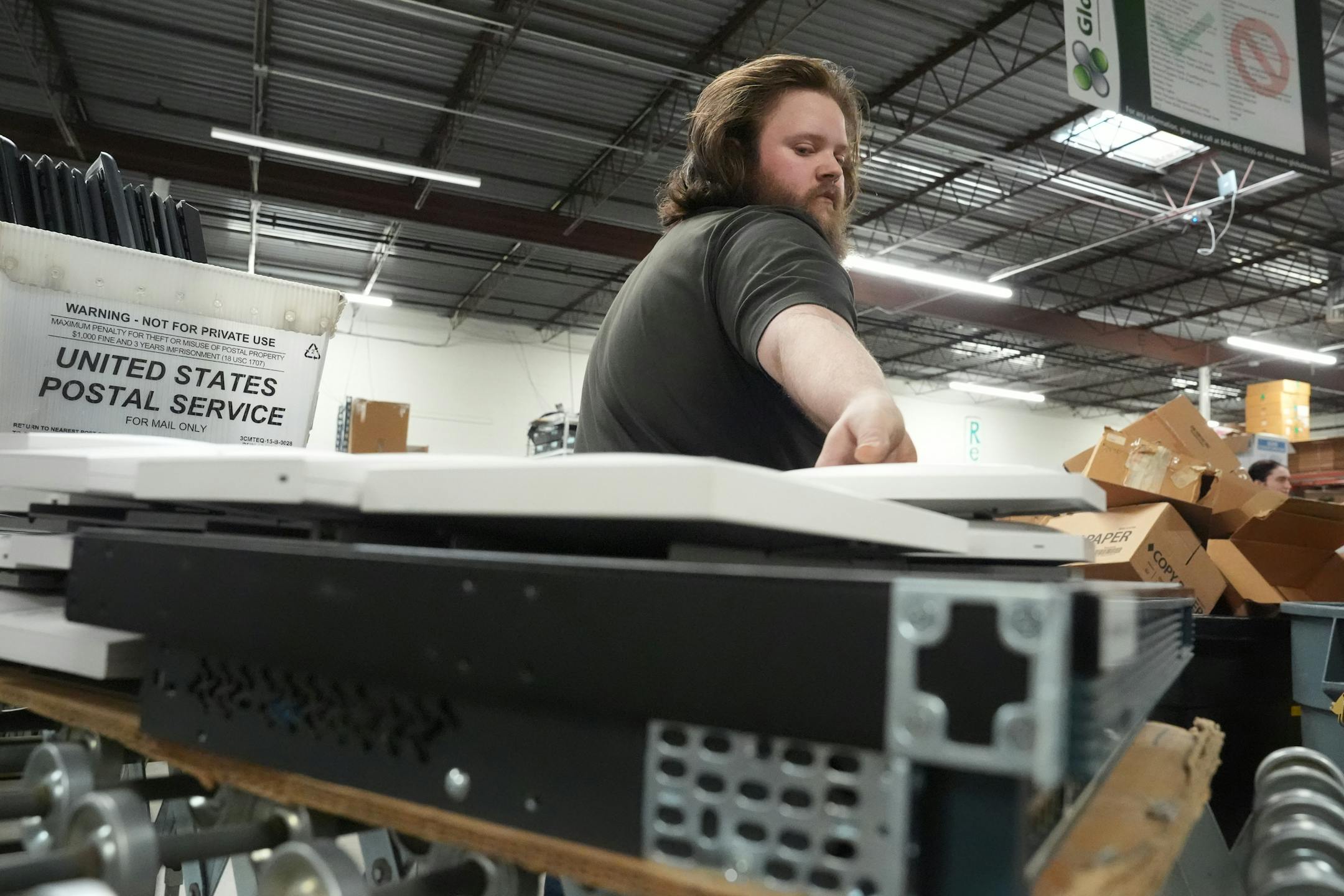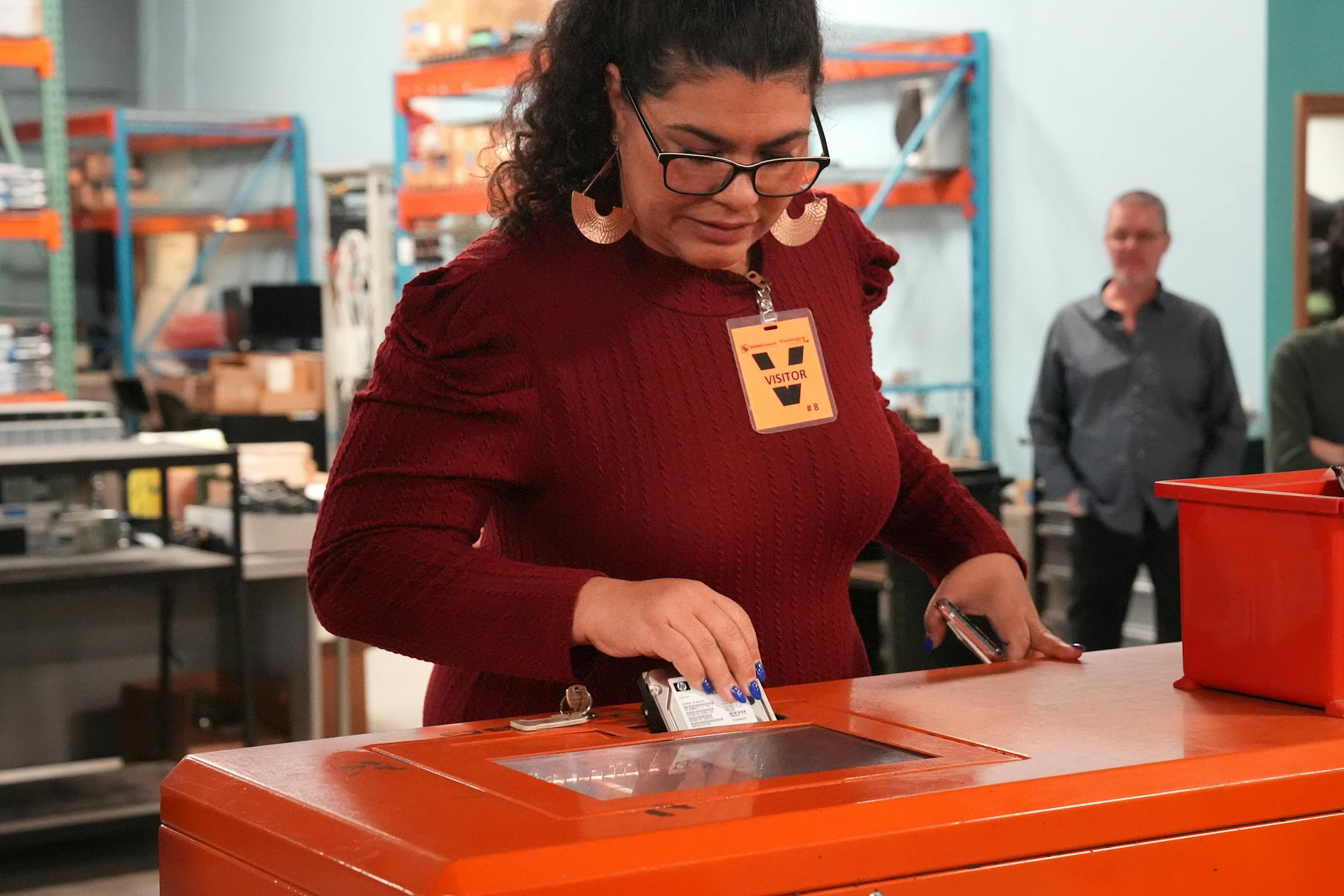
Thousands of pounds of discarded computer monitors, hard drives, printers and piles of tangled cables sit in bins at Global Ewaste Solutions’ headquarters in Plymouth waiting to be sorted.
Staff sift through it all to determine what’s salvageable to resell. Those items are wiped clean of data and repaired before going up for auction, and the rest is recycled.
Right now, the company only works with businesses looking to unload a bunch of out-of-use tech, but a proposal at the Capitol could make it easier for them to open their doors to members of the public who are hoping to offload old phones, cords and devices gathering dust in their basements or shoved away in a drawer.
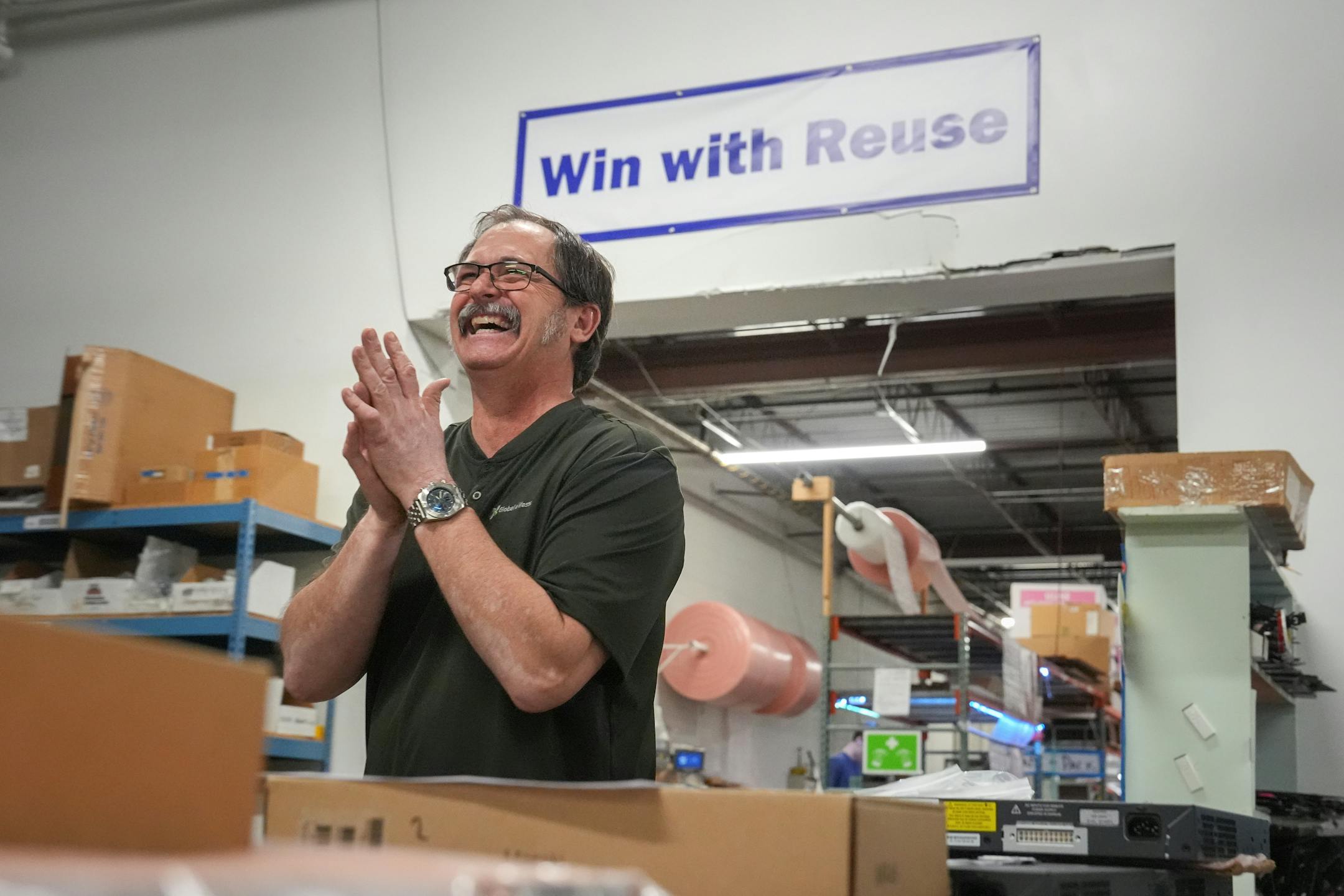
“Everyone has five cellphones sitting in a filing cabinet at home,” said Dave Potter, managing partner at the company, during a tour on Wednesday.
The bill aims to update and expand the state’s 2007 electronic waste law — passed to address appliances such as televisions and computers — to apply to 100% of electronic waste in Minnesota. It would also make recycling free by adding a 3.2% retail fee when Minnesotans purchase things such as small home appliances, electronic toys and smart home devices. There are exemptions in the bill for things such as vehicles and large appliances. Costs for cellphones will increase a flat 90 cents, rather than the 3.2% fee.
Now, residents have to pay a fee if they want electronics recycled, and many companies like Global Ewaste Solutions haven’t opened their doors to the broader public because the fees don’t always cover the costs. The proposed retail fee is estimated to raise $100 million annually that would go into a state fund to cover the costs for collectors to haul and recycle electronic waste.
The state estimates only 20% of electronic waste in the state is recycled.
Potter said there’s more interest: He gets around 10 to 15 calls per week from people hoping to recycle their old computers and appliances. He estimates broader public electronic recycling could bring in 50,000 more pounds of waste in the first year and allow them to hire five more full-time employees. If the bill passes, they’d likely open doors to the public to bring their electronics during business hours, expanding to the weekend if there’s more demand.