

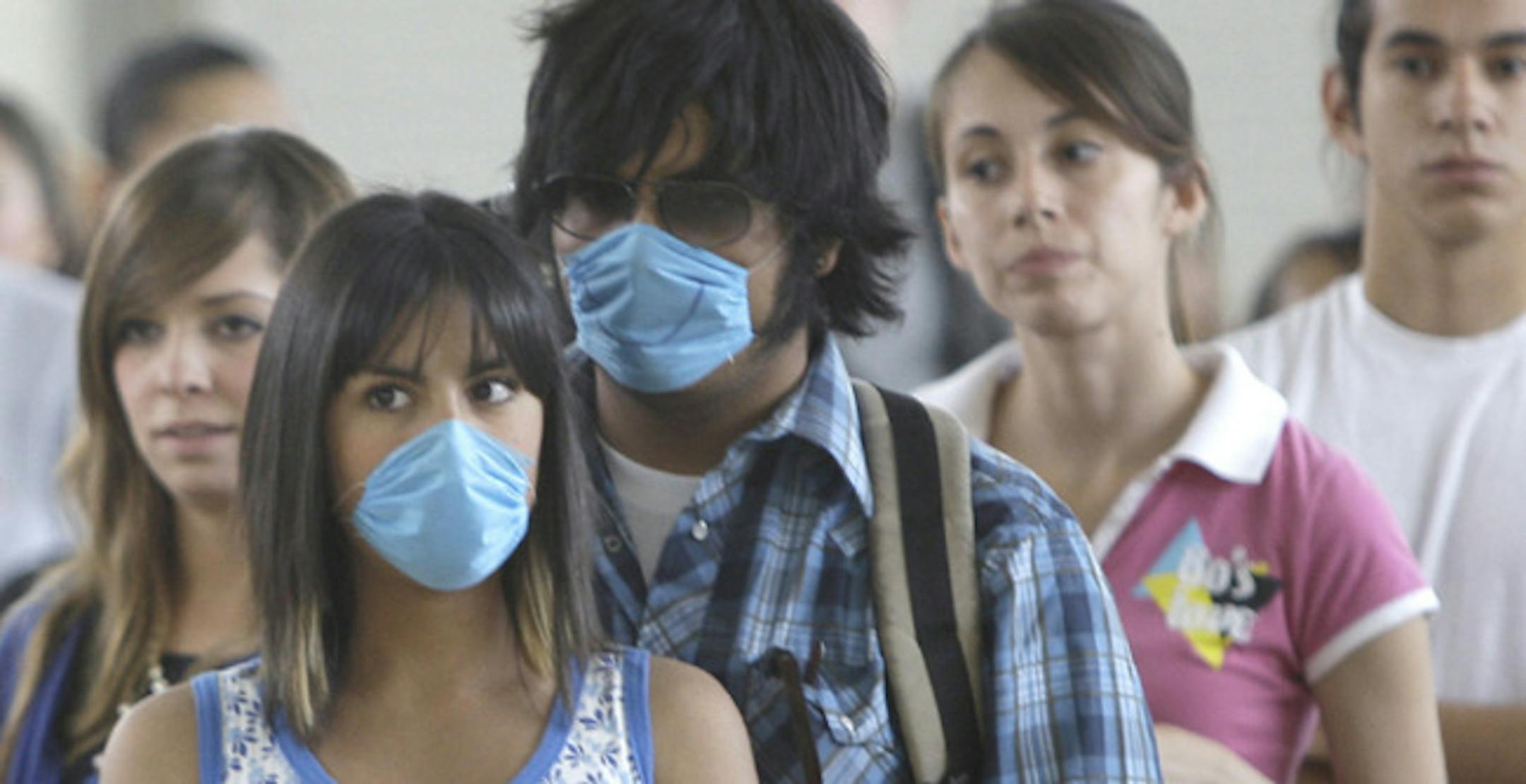
After years of planning and preparation, Minnesota appears more than ready for a flu pandemic. Drugs are stockpiled. Ventilators are in place. Starting last week, disease surveillance in the state went way up. It's all part of a detailed, 400-page state plan that has yet to be tested by a real outbreak.
Will this be it? Despite growing fears that the 1,600 infections and 149 deaths in Mexico portend a global pandemic that has been predicted for years, U.S. health officials say they still don't know exactly what they are facing.
So far there have been no cases of the new H1N1 influenza, also known as swine flu, reported in Minnesota. Of the 40 people who tested positive for it in the United States, all had relatively mild cases and have recovered. Only one was hospitalized, federal officials said Monday.
As of late Monday, the Minnesota Health Department had tested 14 cases of upper respiratory infection, but none was identified as a possible H1N1 infection. Another 32 specimens are in process, said Dr. Ruth Lynfield, Minnesota's state epidemiologist.
Still, hospitals, doctors and clinics across the state are on alert -- which is also part of the state's flu pandemic plan.
Officials at Allina, the Twin Cities' biggest hospital and clinic chain, said anyone who appears in their emergency rooms with symptoms of upper-respiratory illness will be asked to wear a face mask and be separated from other people by at least 6 feet. They will be asked if they recently traveled, and where. Their throats and noses will be swabbed, and if they test positive for influenza, those samples will be sent to the Health Department for further testing. The Mayo Clinic in Rochester is doing much the same.
State health officials are also making extra efforts to communicate with Latino communities in Minnesota. They are providing information to Spanish-speaking media about the outbreak, and advising that anyone with flu symptoms like fever, cough and fatigue get tested, especially if they or people they have had contact with have recently traveled to Mexico.
"The major concern I have is lack of insurance" among people in those communities, said Ann O'Fallon, head of immigrant and refugee health for the Health Department. "That could be a barrier to people seeking health care."


