

What is the correct formula?
Which is the best arrangement of teams to ensure success when it matters – how do you balance strong competition with rest and not getting overworked?
And whatever constitutes an adequate schedule, have the Gophers achieved it?
With the non-conference slate in the rearview and the Big Ten season –starting with Michigan at Williams Arena on Thursday -- just days away, is Minnesota prepared?
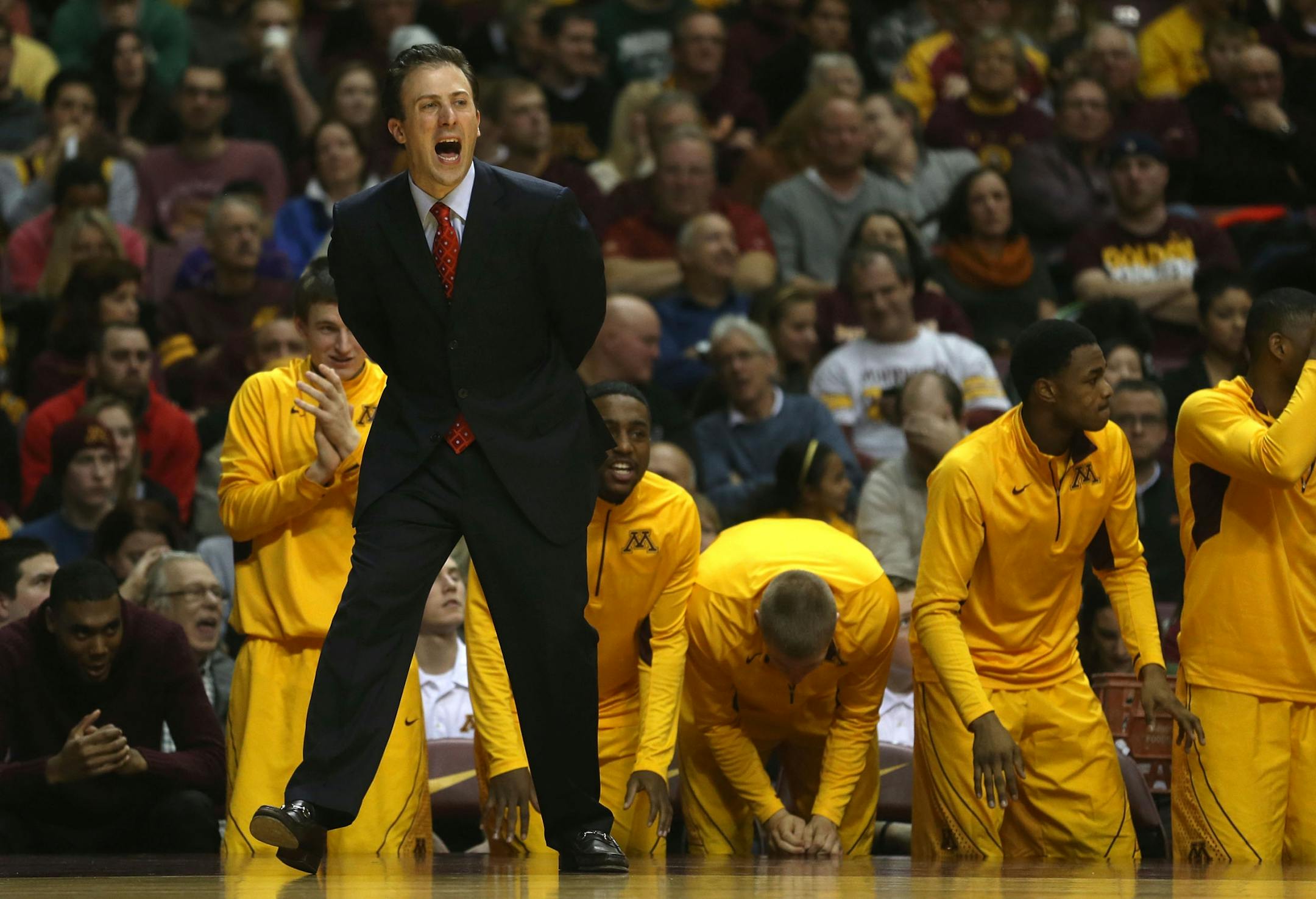
Obviously new coach Richard Pitino inherited the 2013-14 schedule, but though he didn't have much to do with its set-up, he feels like it has provided some early lessons, which will be meaningful going forward.
"I think about it a lot," he said. "We'll talk about the Syracuse game. I thought we played really, really well. We were shorthanded in the frontcourt and they're one of the biggest teams in the country. I thought we had a great win at Richmond, to finish on a 19-0 run, hold them without a basket for seven, eight minutes, is something we'll reference a lot. We'll certainly reference some of the mistakes we made against Arkansas.
"Overall, I thought we had a really good non-conference. It's tough sometimes to get up for every single opponent. I think our guys, if you look back over the last 13 games, they didn't lay an egg mentally, which you see it a lot in college basketball. So now we kind of close that chapter -- we learned from it and now we move on to the Big Ten."
True that the Gophers didn't "lay an egg" over the final portion of the non-conference schedule, but they also weren't challenged much. After facing Richmond on the road, Syracuse and Arkansas on a neutral court in Maui and Florida State at home all within the first nine games, Minnesota was handed four cupcakes to complete November, not to mention the Coastal Carolinas and the Woffords that the Gophers instigated the season with. By losing the first two games in Maui, Minnesota missed a chance to play another quality opponent as well, winding up in the last place game against Division II Chaminade.


