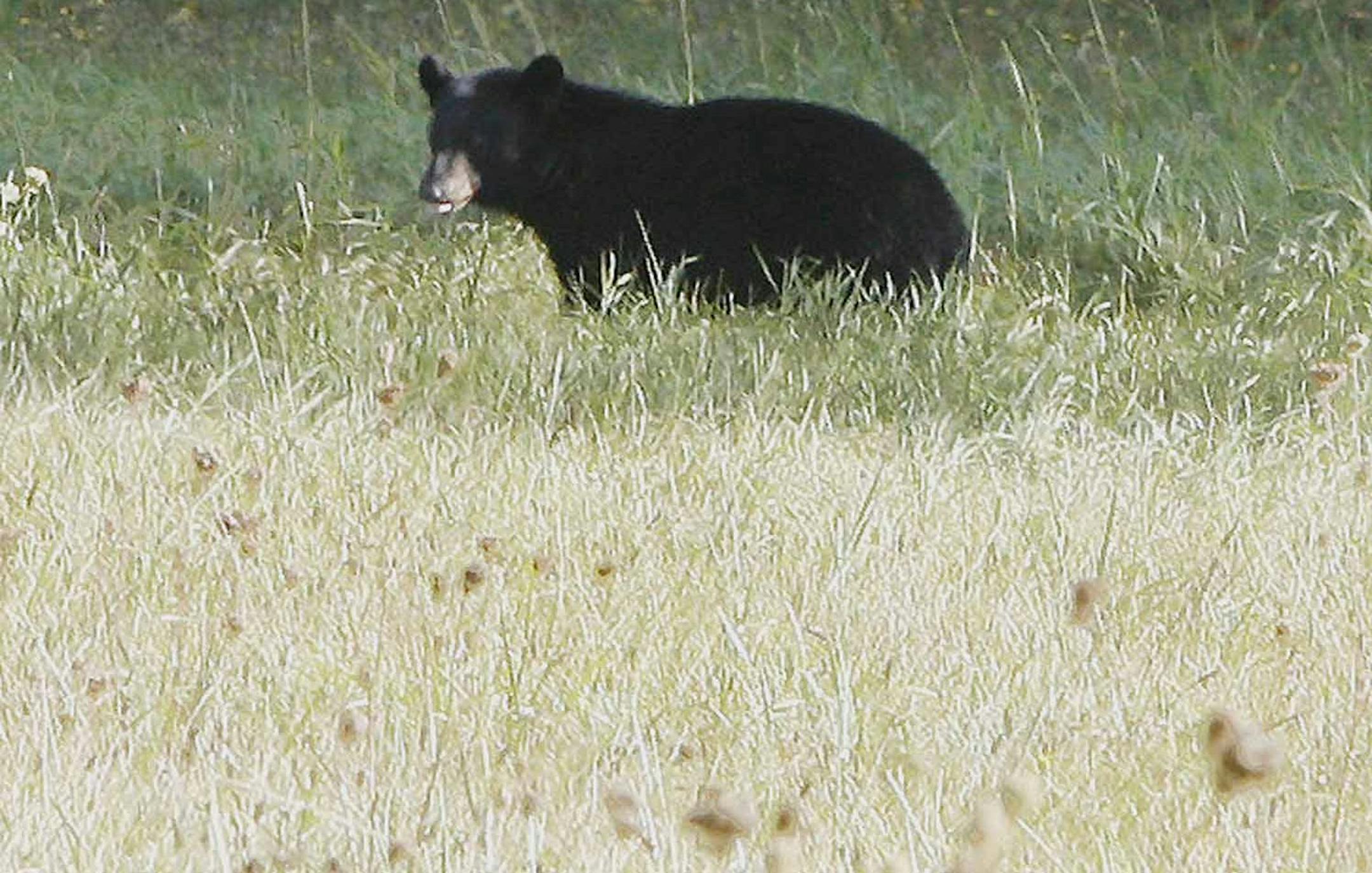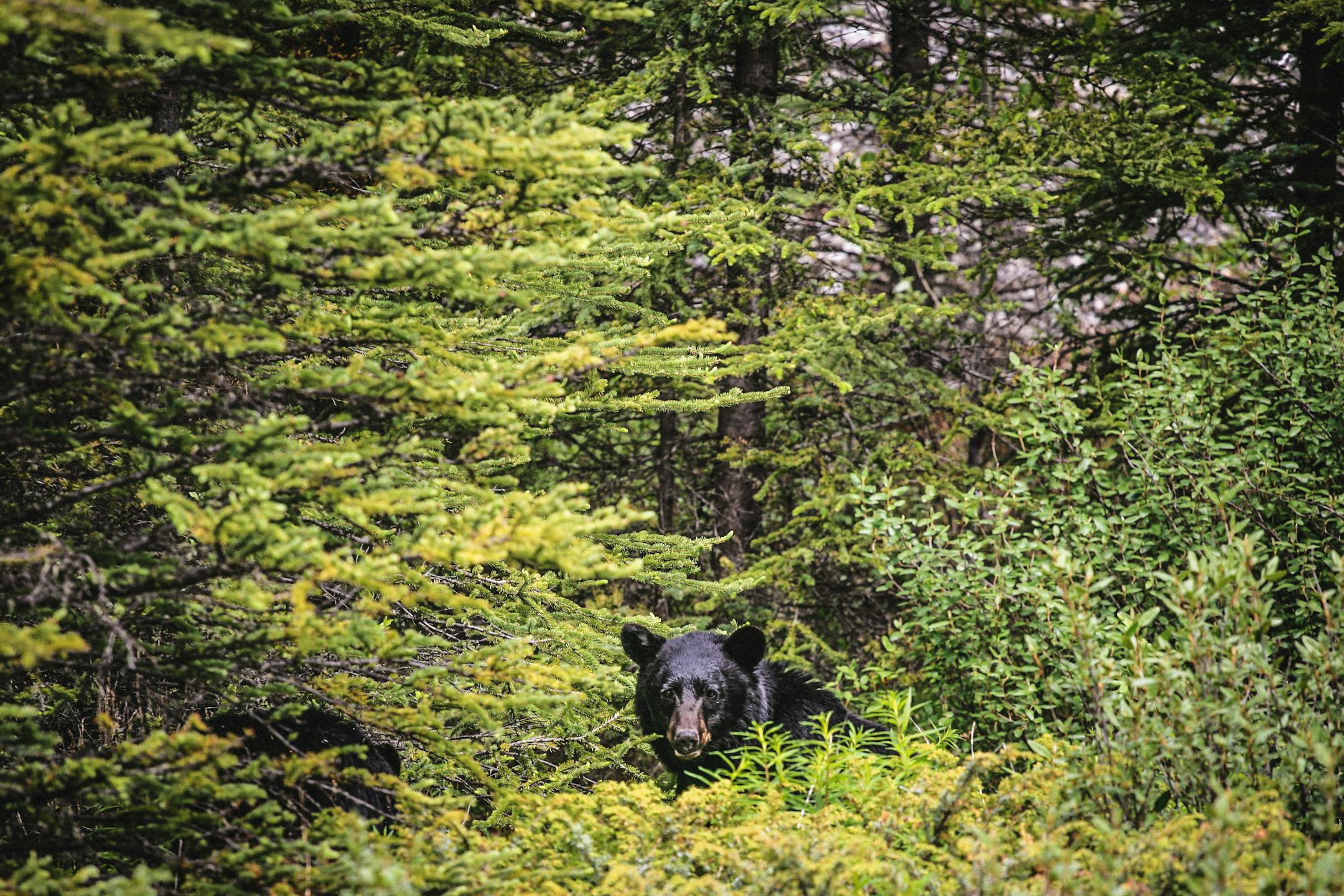
Of all the precautions taken before a summer backpacking trip into the deep woods, protecting against bear encounters might be at the top of the list. Yet bear sightings in a popular area such as the Superior Hiking Trail seem about as rare these days as a backpacker with a cotton sleeping bag.
Regardless, some of the people who make camp along the 310-mile trail still go to great effort to keep their food away from bears.
In fact, 94 percent of Superior Trail backpackers who responded to a recent, unscientific online survey said they take active measures to protect their edibles from bears. But at the same time, only two of the nearly 100 survey respondents — all members of the Superior Hiking Trail Facebook group — reported ever seeing a bear trying to get at their food.
This raises some natural questions. Why aren't backpackers seeing more bears? And does a lack of sightings mean all the work to safeguard provisions is overdone?
It's true that the number of Minnesota's black bears — the only species in the state — has declined. The state Department of Natural Resources estimates there are 10,000 to 15,000 bears, the majority of which live in the forested areas of Up North. Even with some evidence that their numbers may be on the upswing, the population is still roughly only half what it was in the late 1990s.
Fewer bears may be part of the story, said Dan Stark, the DNR's large carnivore specialist, but the most important factor may actually be the efforts of Superior Trail backpackers to thwart hungry bears.
"There are certainly bears up there," Stark said. "They generally try to avoid people and human activity, but they can cause trouble when they're looking for food. If you have food they can't get to, though, you don't have trouble develop."
"Just the prevention we're seeing can go a long way toward avoiding problems," he said. "What you want are bears that don't see backpackers as a source for food."