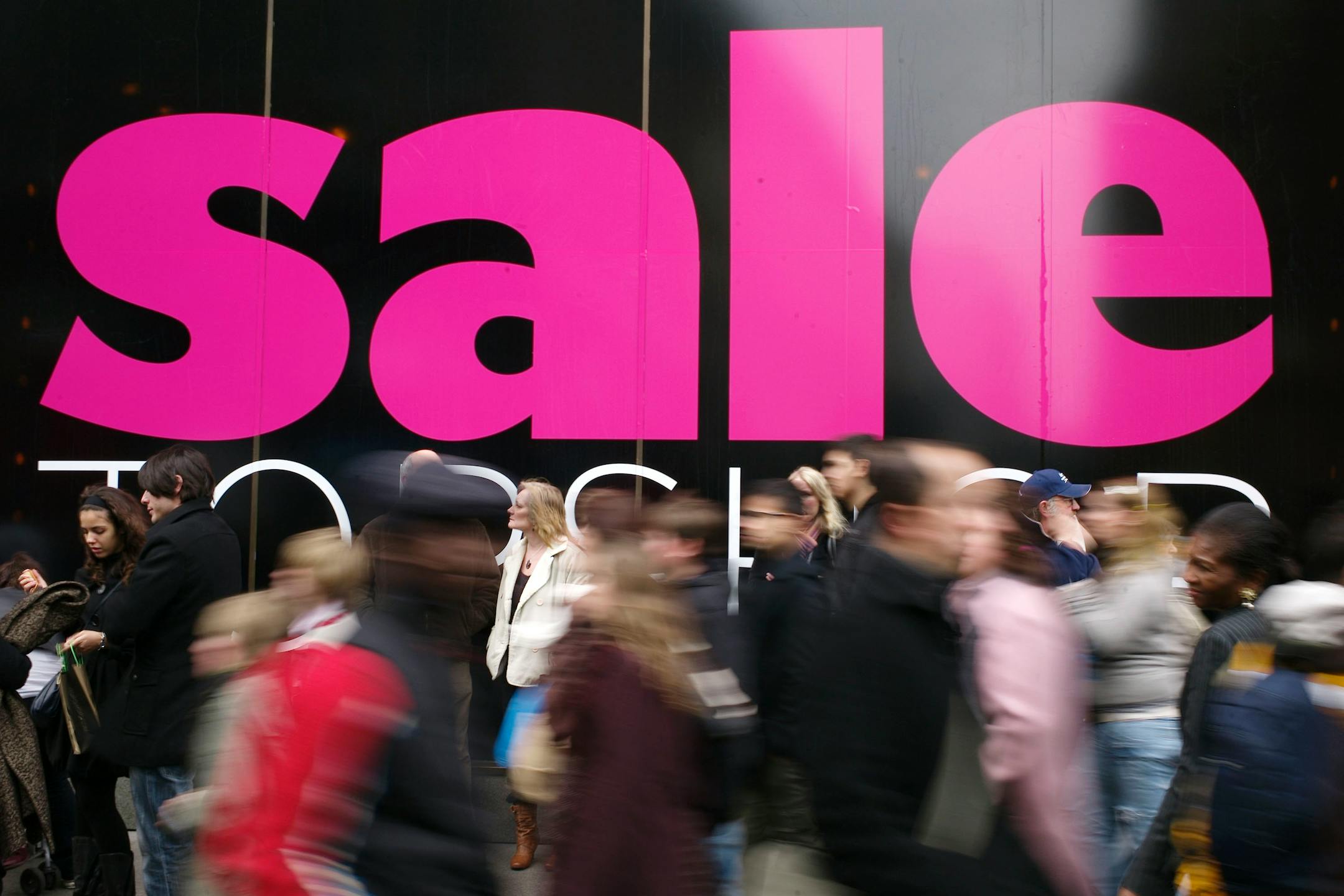
The call has gone out for Americans to shop the economy into recovery.
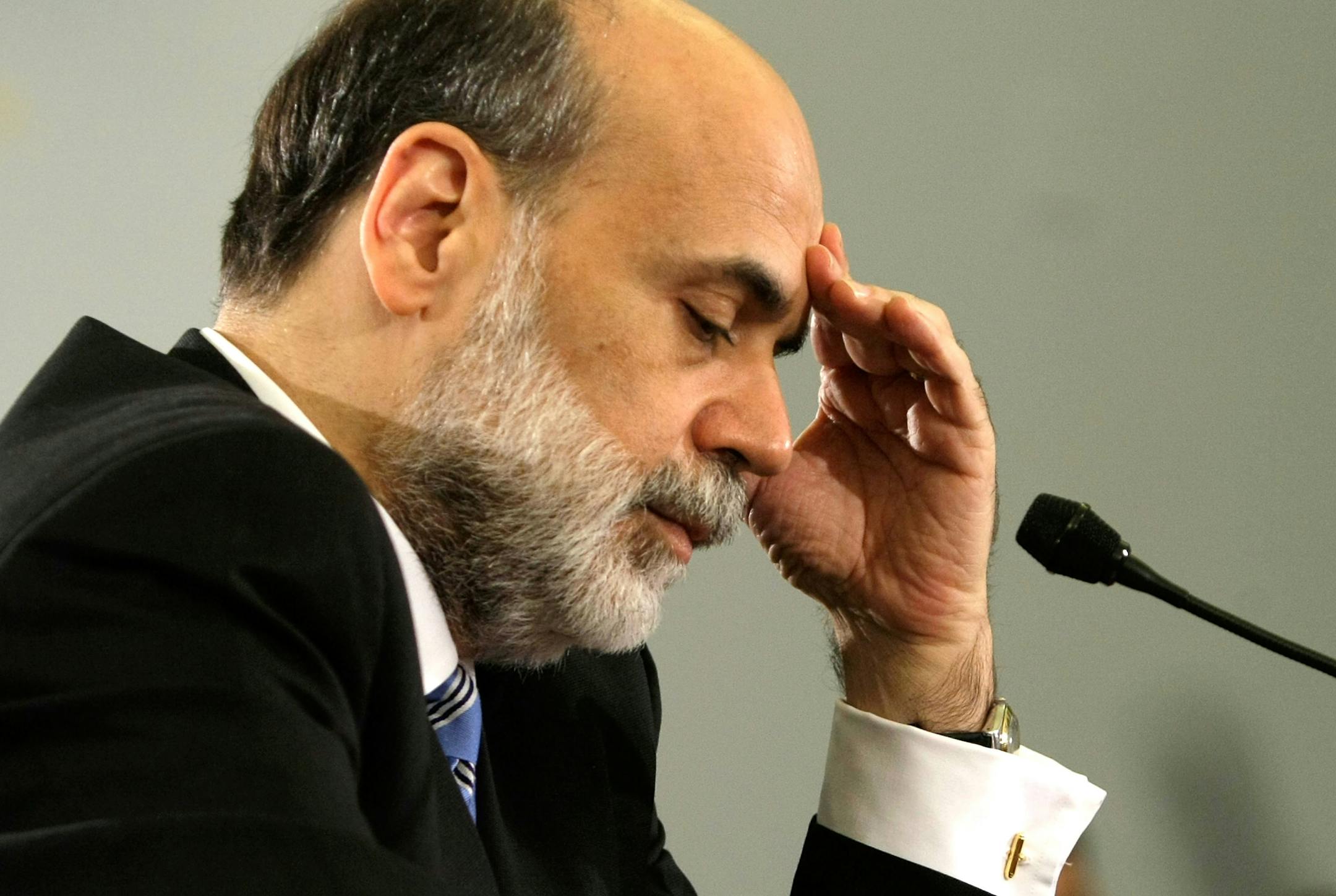
With Tuesday's announcement of the steepest interest rate cut in more than two decades and President Bush and congressional leaders showing rare unity working on a tax rebate that could reach $1,600 for couples, U.S. officials hope a little extra cash in everyone's pocket will quickly pass through to the nation's struggling economy. Consumer spending accounts for 70 percent of the domestic economy.
Americans have shouldered this patriotic duty for at least seven years. But whether they're still up to the task remains to be seen.
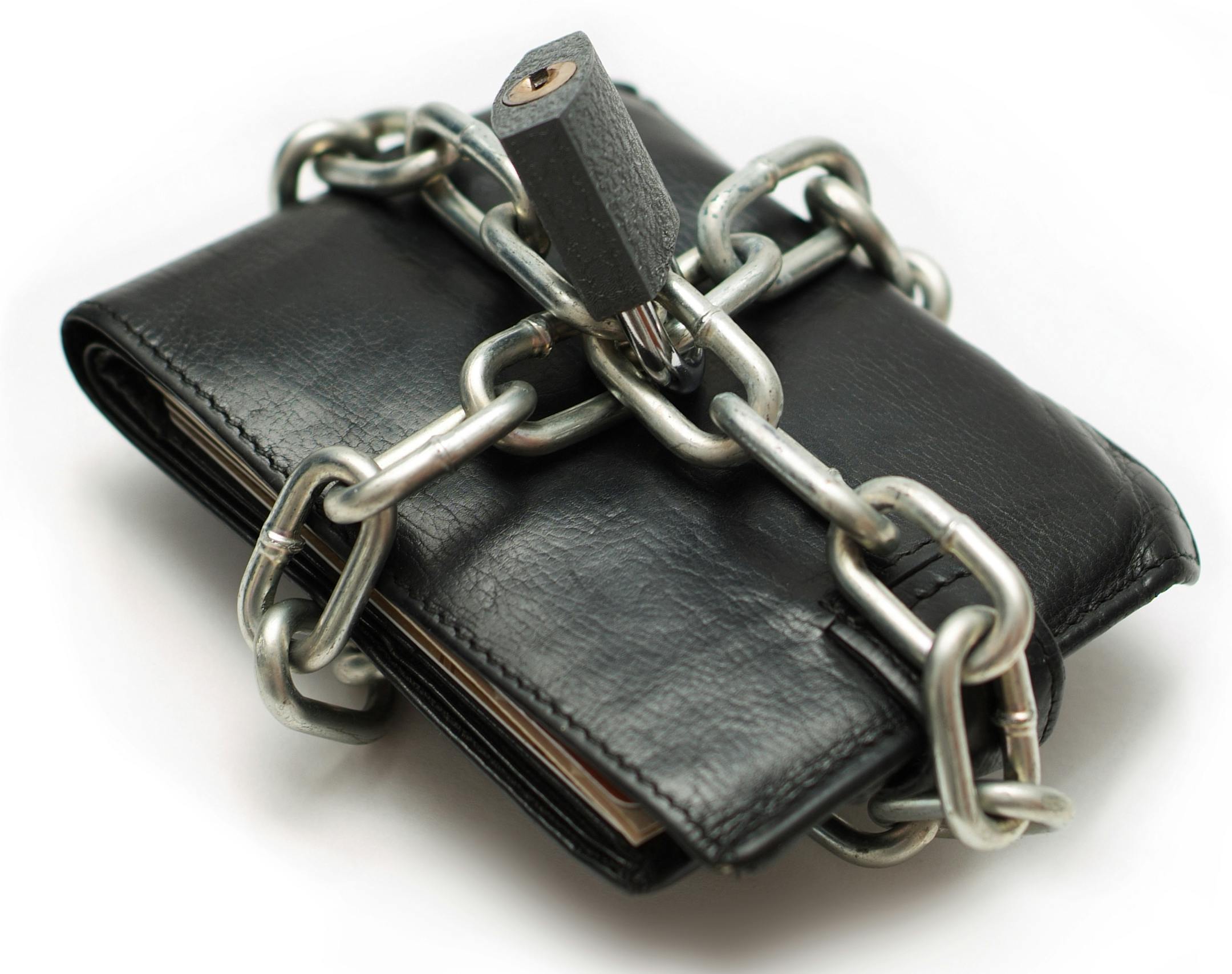
Many U.S. consumers are tapped out -- over-mortgaged and over-borrowed with no savings to fall back on. The homes that helped finance their spending sprees are now falling in value, and higher food and energy costs are digging deeper into their wallets daily. Increasingly, they're falling behind on mortgage and car payments as well as credit card bills.
But there's something more, and it's new, said Jerrold Peterson, economics professor emeritus at the University of Minnesota at Duluth. It's fear.
"For every one mortgage foreclosure there are four of us saying, 'There but for the grace of God go I,'" Peterson said.
"As I see houses repossessed, and home values go down and down, am I really going to want to buy an automobile, or even a whole lot of new clothes?"
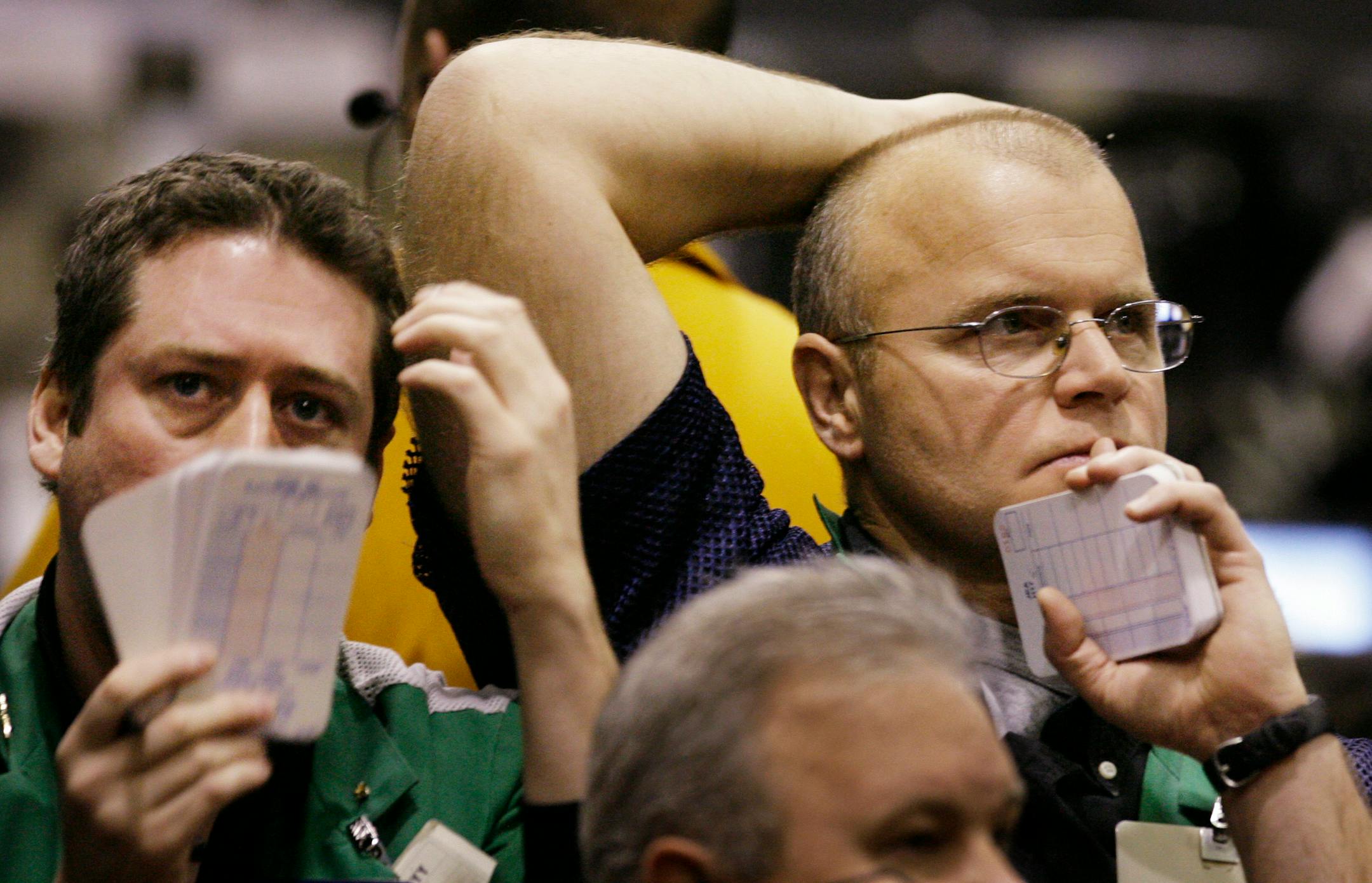
After world markets plunged Monday amid concerns that the United States was headed toward a recession that would spread around the world, the Federal Reserve Bank announced a ¾-point drop in the federal funds rate, down to 3.5 percent. That helped salvage markets at home as well, as an early 464-point slide in the Dow Jones Industrial Average recovered to a more respectable 128-point drop.