

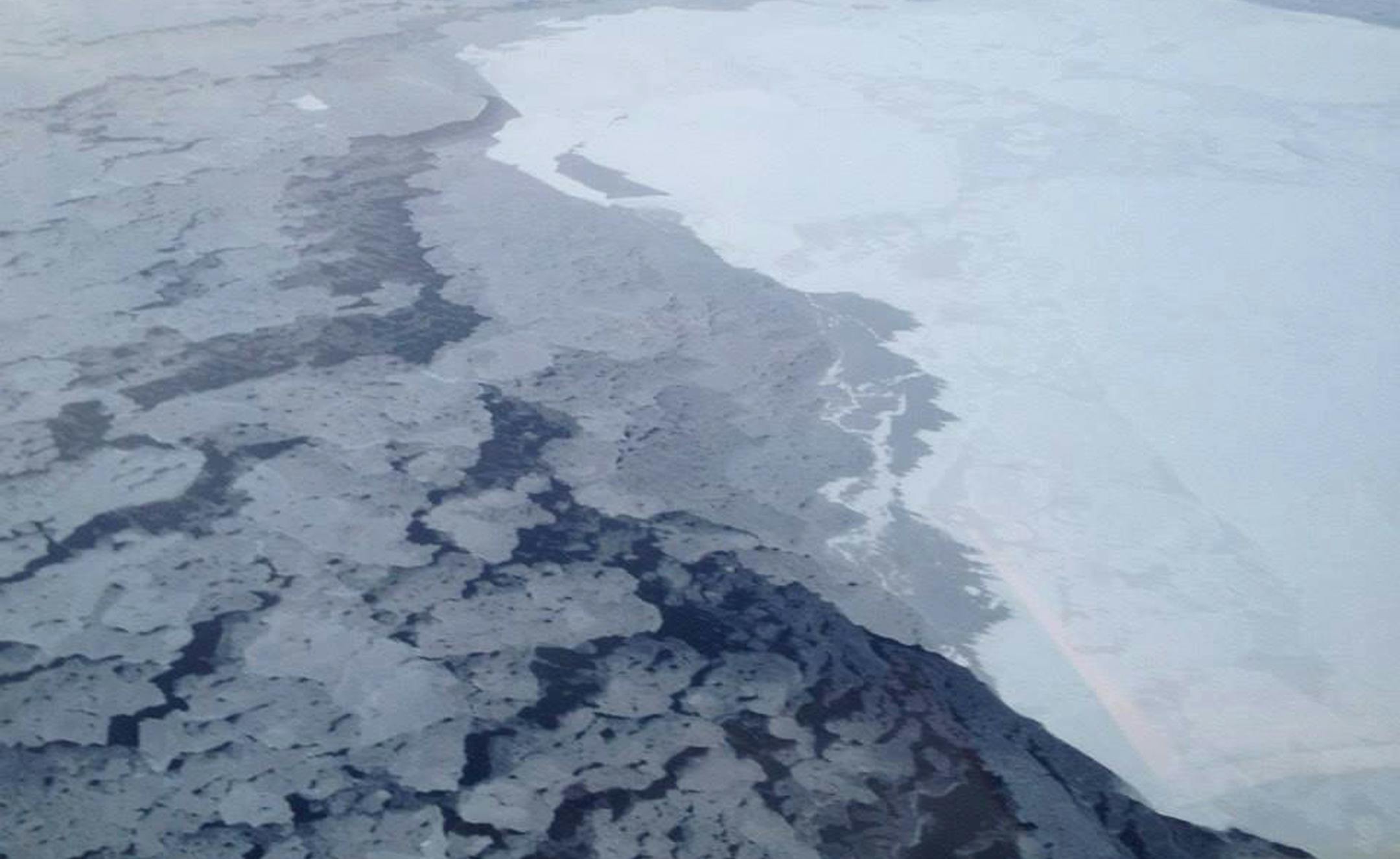
A growing body of evidence demonstrates a link between the melting of Arctic sea ice and worsening summer heat waves and other extreme weather in the United States and elsewhere in the world, leading scientists said Thursday.
"The Arctic is not like Vegas. What happens in the Arctic does not stay in the Arctic," said Howard Epstein, a University of Virginia scientist who's part of a team that produced the Arctic Report Card for the U.S. National Oceanic and Atmospheric Administration.
The report card, released Thursday, said that while this year's melting of Arctic sea ice didn't reach the record levels of 2012, the ice was thin and was at the sixth-lowest minimum since observations began in 1979.
"We cannot expect to be smashing records every year; there are going to be ups and downs. But those up and downs are going to be superimposed on the trend of a warming Arctic," said Martin Jeffries, a University of Alaska Fairbanks professor who's the adviser to the U.S. Arctic Research Commission.
The decadeslong decline in Arctic sea ice is among the most visible signs of global warming. NOAA's Arctic Report Card came days after a study in the journal Nature Climate Change linked the sea-ice melt to extreme summer weather in North America and Europe.
Experts from China and the United States wrote in the journal that rising temperatures over the melting Arctic were changing the character of the Northern Hemisphere jet stream, the air current that circles the globe.
Scientists are strongly debating those conclusions. But Jeffries said Thursday that they reflected a growing body of evidence.
McClatchy newspapers


