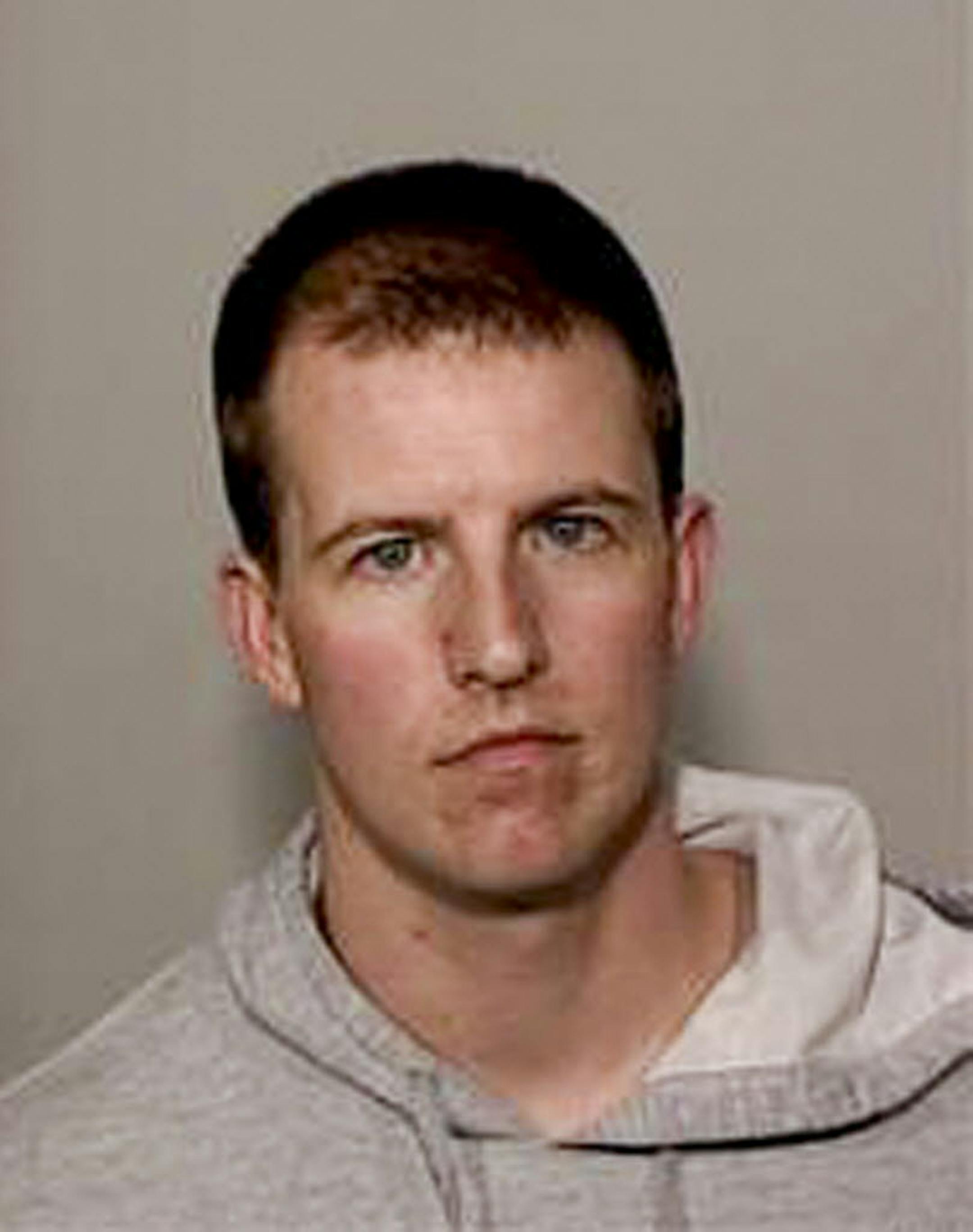
In a rare move, the Minnesota Court of Appeals on Monday overturned a lighter-than-recommended sentence given last year to Bradley Schnickel, the former Minneapolis police officer who used social media to lure adolescent girls into sexual encounters.
Schnickel, now 34, pleaded guilty in May 2014 to three counts of criminal or attempted criminal sexual conduct and two counts of electronic solicitation of a minor. He agreed to a plea deal with the Anoka County attorney's office with the understanding that it would seek a nearly 12-year sentence. But Judge James Cunningham took a dramatic downward departure from state guidelines, which call for 102 to 142 months in such cases, and sentenced Schnickel to 2 ½ years in prison, with a lifetime conditional-release term.
The judge stated at the time that the sentences requested by the prosecution and Schnickel's attorney stood "in stark contrast to each other, and neither satisfies my sense of what is fair and what is just." He rejected the longer sentence because it "didn't take into account the work that this defendant has done to try to control these destructive urges and behaviors."
But in the 11-page ruling released Monday, the Court of Appeals said that a lower-court judge may depart from the sentencing guidelines only if there are substantial and compelling reasons to support departure. Cunningham used improper offender-related factors to support his departure, the court ruled. The main reason he gave for the departure from sentencing guidelines was Schnickel's amenability to probation, remorse and acceptance of responsibility.
Fred Bruno, Schnickel's attorney, had argued during sentencing that a lighter sentence was justified because of his client's mental impairment at the time of the crimes. He also said Schnickel didn't use force or a weapon in luring young girls into relationships.
But the Court of Appeals called those arguments unpersuasive.
The case will now be returned to Anoka County District Court for resentencing. Paul Young, head of the criminal division for the county attorney's office, said Monday that there is a sense of urgency to scheduling a resentencing hearing because Schnickel's release date from prison will otherwise come next month.
It's rare for such a sentence to be appealed, because judges have significant discretion in sentencing and higher courts rarely will overturn them, Young said.