WASHINGTON — An American company that bills itself as a pioneer in tracking emerging epidemics made a series of costly mistakes during the 2014 Ebola outbreak that swept across West Africa — with employees feuding with fellow responders, contributing to misdiagnosed Ebola cases and repeatedly misreading the trajectory of the virus, an Associated Press investigation has found.
San Francisco-based Metabiota Inc. was tapped by the Sierra Leonean government and the World Health Organization to help monitor the spread of the virus and support the response after Ebola was discovered circulating in neighboring Guinea in March 2014. But emails obtained by AP and interviews with aid workers on the ground show that some of the company's actions made an already chaotic situation worse.
WHO outbreak expert Dr. Eric Bertherat wrote to colleagues in a July 17, 2014, email about misdiagnoses and "total confusion" at the Sierra Leone government lab Metabiota shared with Tulane University in the city of Kenema. He said there was "no tracking of the samples" and "absolutely no control on what is being done."
"This is a situation that WHO can no longer endorse," he wrote.
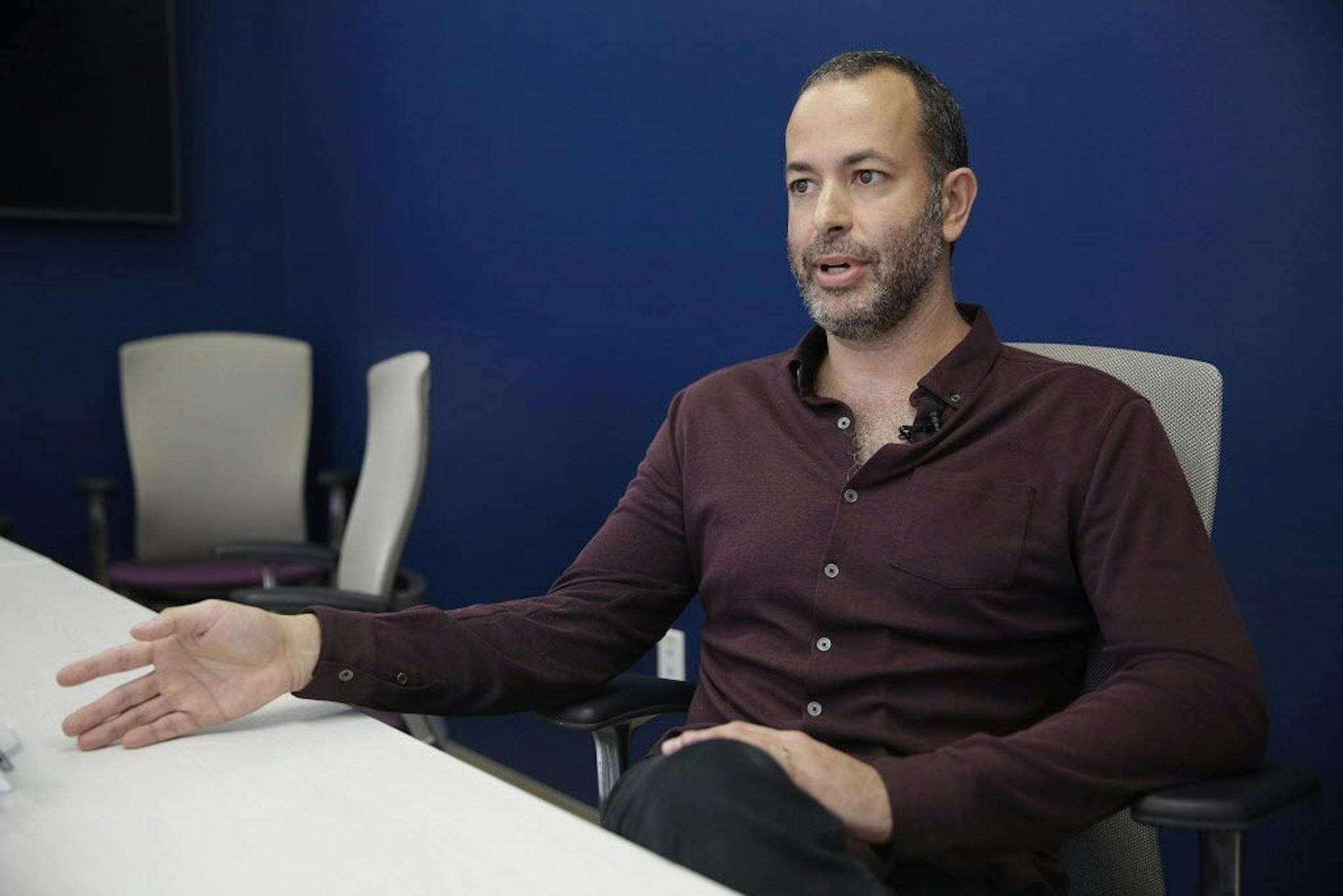
Metabiota chief executive officer and founder Nathan Wolfe said there was no evidence his company was responsible for the lab blunders, that the reported squabbles were overblown and that any predictions made by his employees didn't reflect the company's position. He said Metabiota doesn't specialize in outbreak response and that his employees stepped in to help and performed admirably amid the carnage of the world's biggest-ever Ebola outbreak.
"Metabiota's team worked tirelessly, skillfully and at substantial potential danger to themselves to assist when most of the world was still ignoring the problem," he said in an email. "We are proud of our team efforts which went above and beyond the call of duty."
Wolfe said some of the problems flagged were misunderstandings — and that others were planted by commercial rivals.
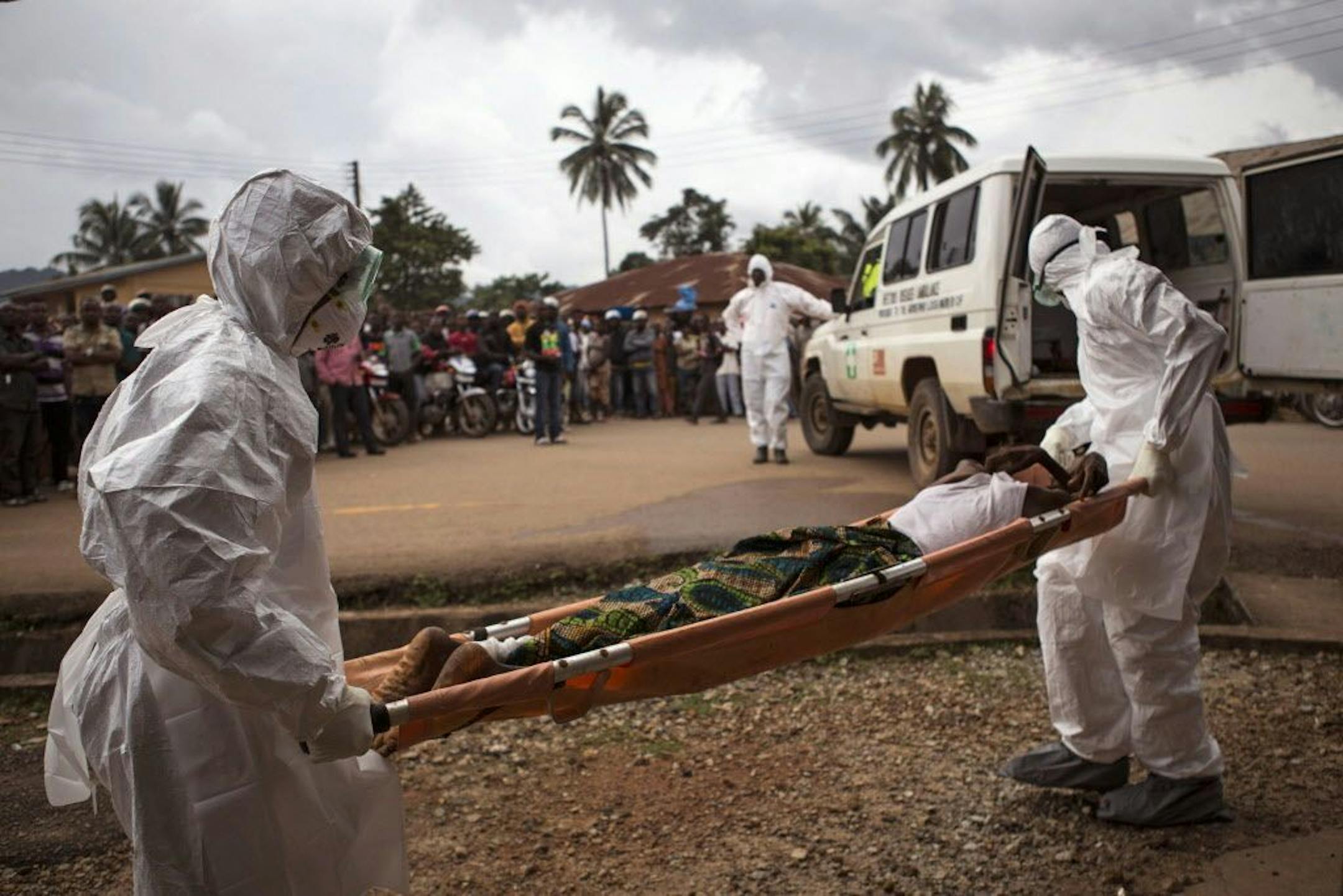
The complaints about Metabiota mirror the wider mismanagement that hamstrung the world's response to Ebola, a disease that has killed upward of 11,000 people. Previous AP reporting has shown that WHO resisted sounding the alarm over Ebola for two months on political, religious and economic grounds and failed to put together a decisive response even after the alert was issued. The turmoil that followed left health workers in Kenema bereft of protective equipment or even body bags and using expired chlorine, a crucial disinfectant.