

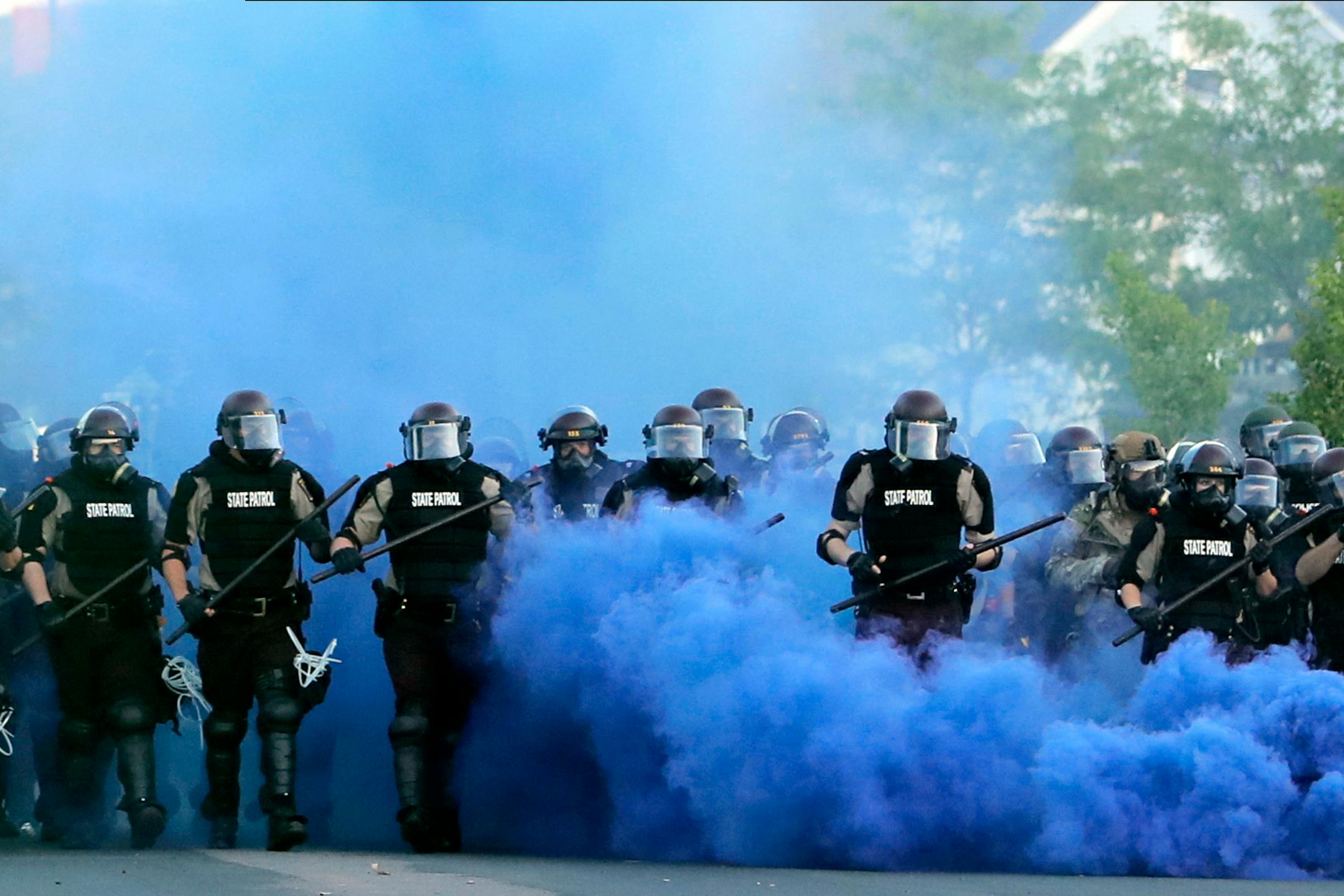
The Minnesota State Patrol insists that it has followed the law concerning information about its response to riots in the Twin Cities 16 months ago. It promises to provide a more complete picture in a court filing due this week. That's good news, because the picture so far is anything but complete.
As the Star Tribune reported Sept. 5, a State Patrol commander asserted in a court hearing that a "vast majority of the agency" had deleted e-mails and text messages after the riots that convulsed the Twin Cities in the wake of George Floyd's murder by a Minneapolis police officer.
The State Patrol was among the law enforcement agencies deployed to help quell the violence that erupted on city streets after Floyd's death. The situation the troopers faced was undeniably stressful and dangerous, and they deserve credit for putting themselves on the line to help restore order.
But they also deserve scrutiny, as does any public agency engaged in the public's business. And the need for such scrutiny is all too apparent in light of some of the patrol's actions at the time.
Among those actions was the outrageous arrest of a compliant and respectful CNN camera crew, broadcast live as the nation watched — an embarrassment Gov. Tim Walz felt compelled to apologize for later that day. According to a lawsuit filed by the ACLU, troopers also inflicted injuries on other journalists who were trying to cover the upheaval.
It was during a hearing connected with the lawsuit that the State Patrol's Maj. Joseph Dwyer disclosed the widespread deletion of electronic messages. He also made the startling claim that such a purge of data was a "standard practice" among State Patrol personnel — even a "recommended" practice after a big event.
As reporter Andy Mannix wrote in the Star Tribune:
"'You just decided, shortly after the George Floyd protests, this would be a good time to clean out my inbox?' asked ACLU attorney Kevin Riach. Dwyer answered in the affirmative."


