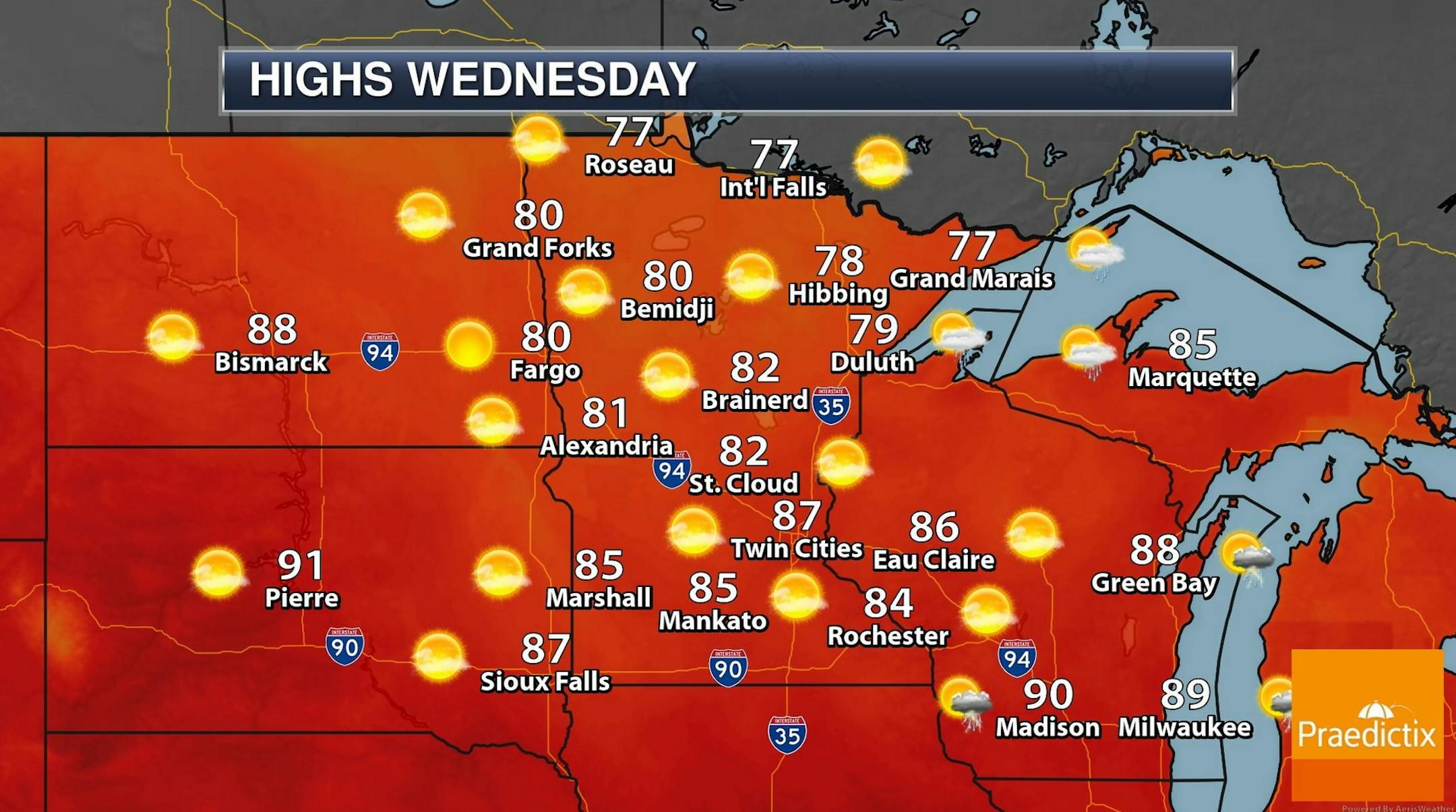
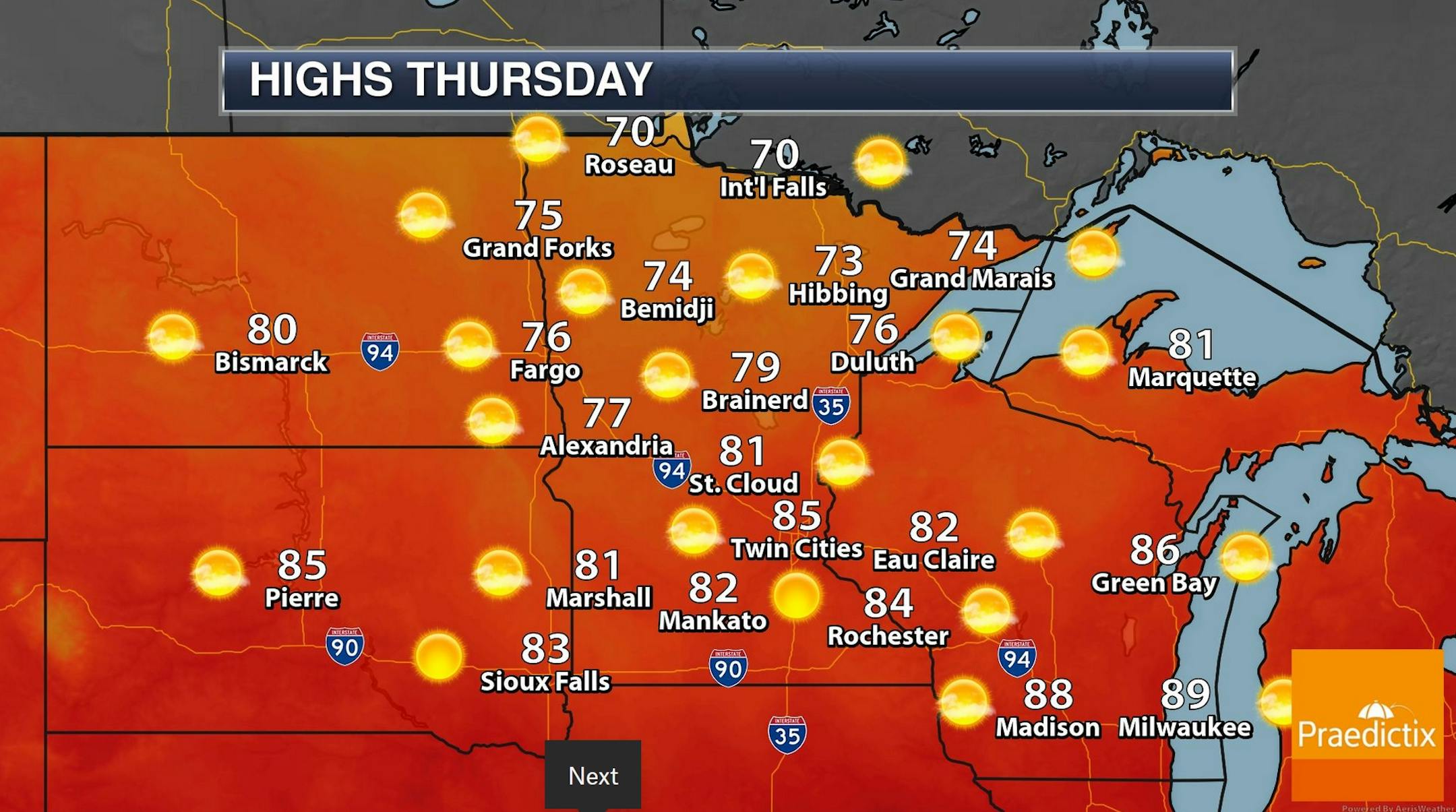
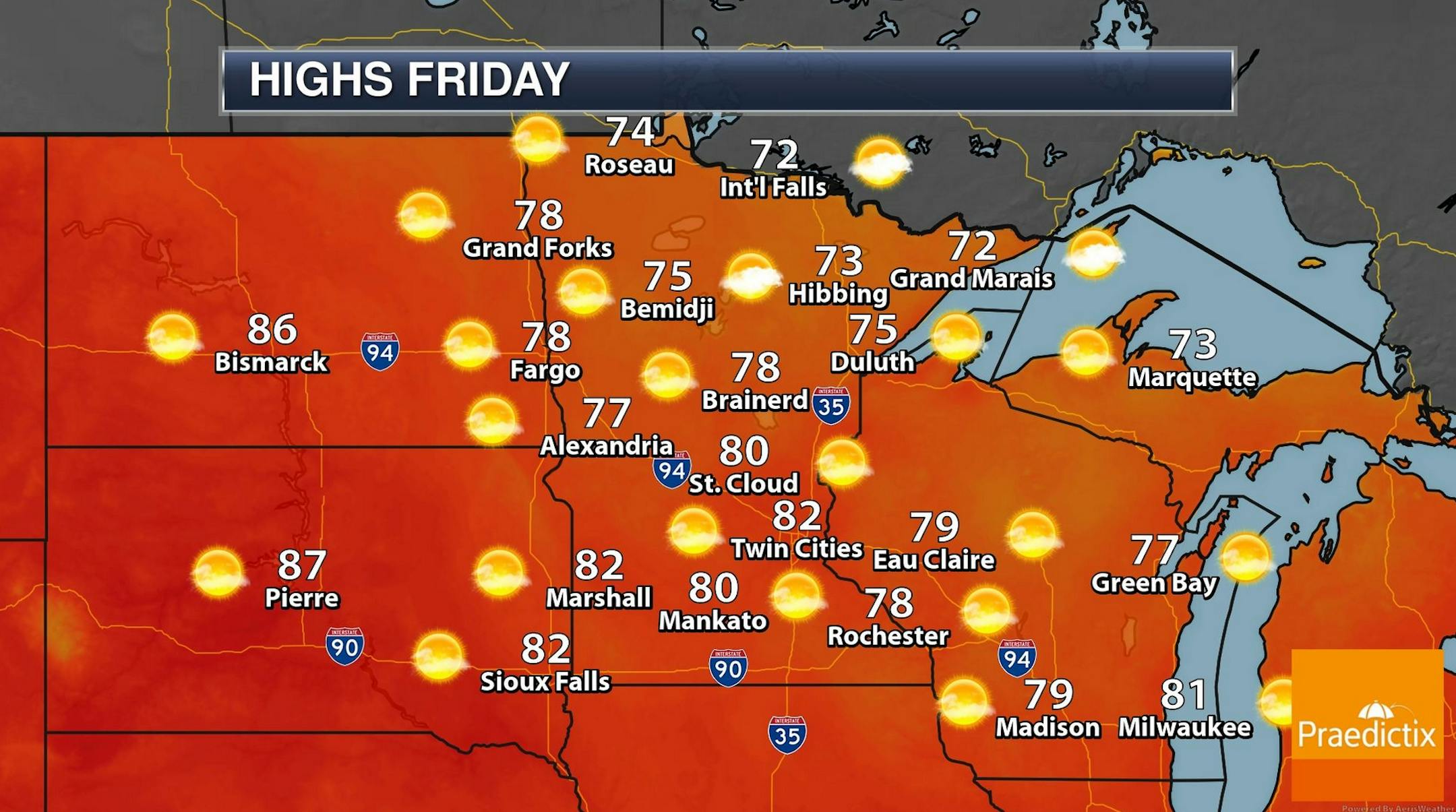
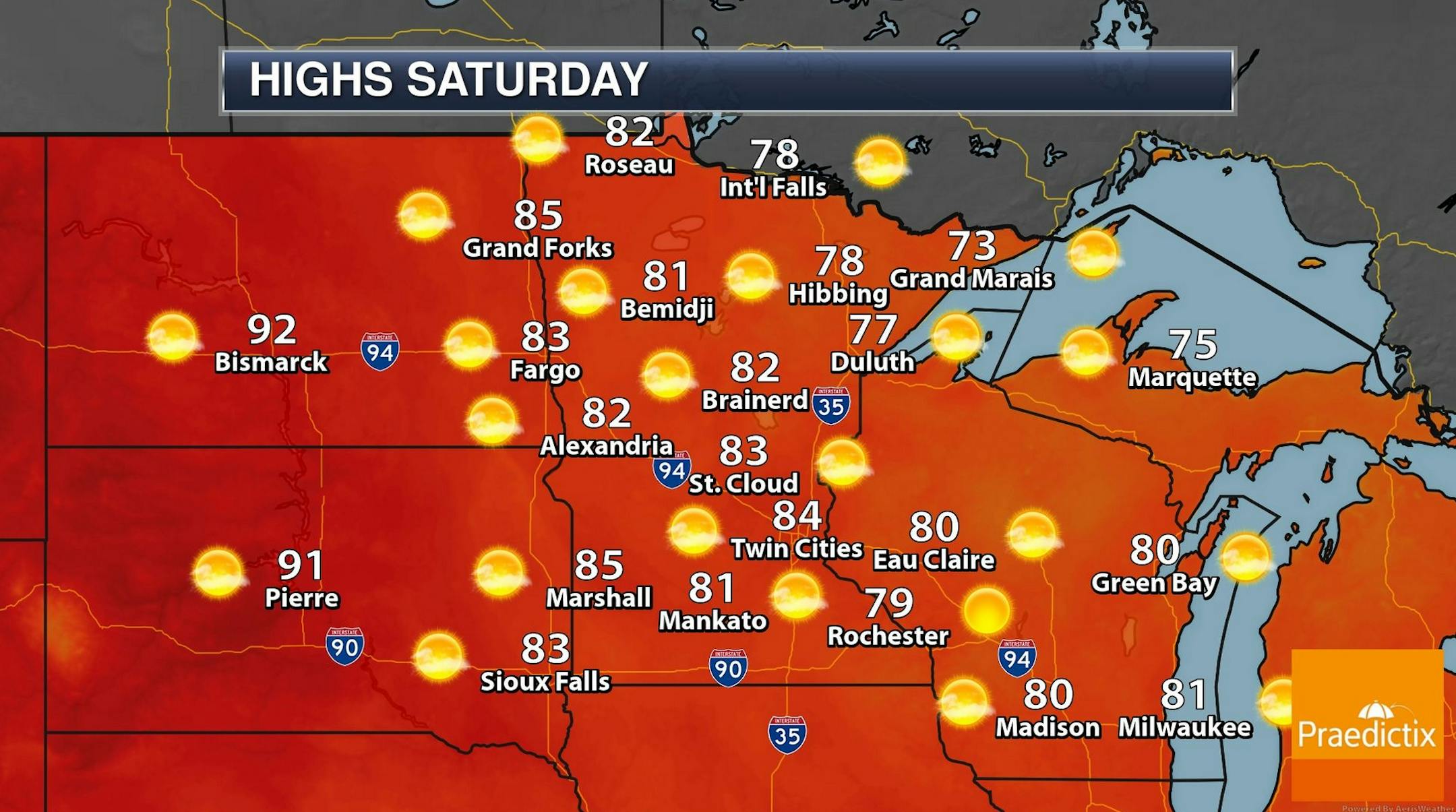
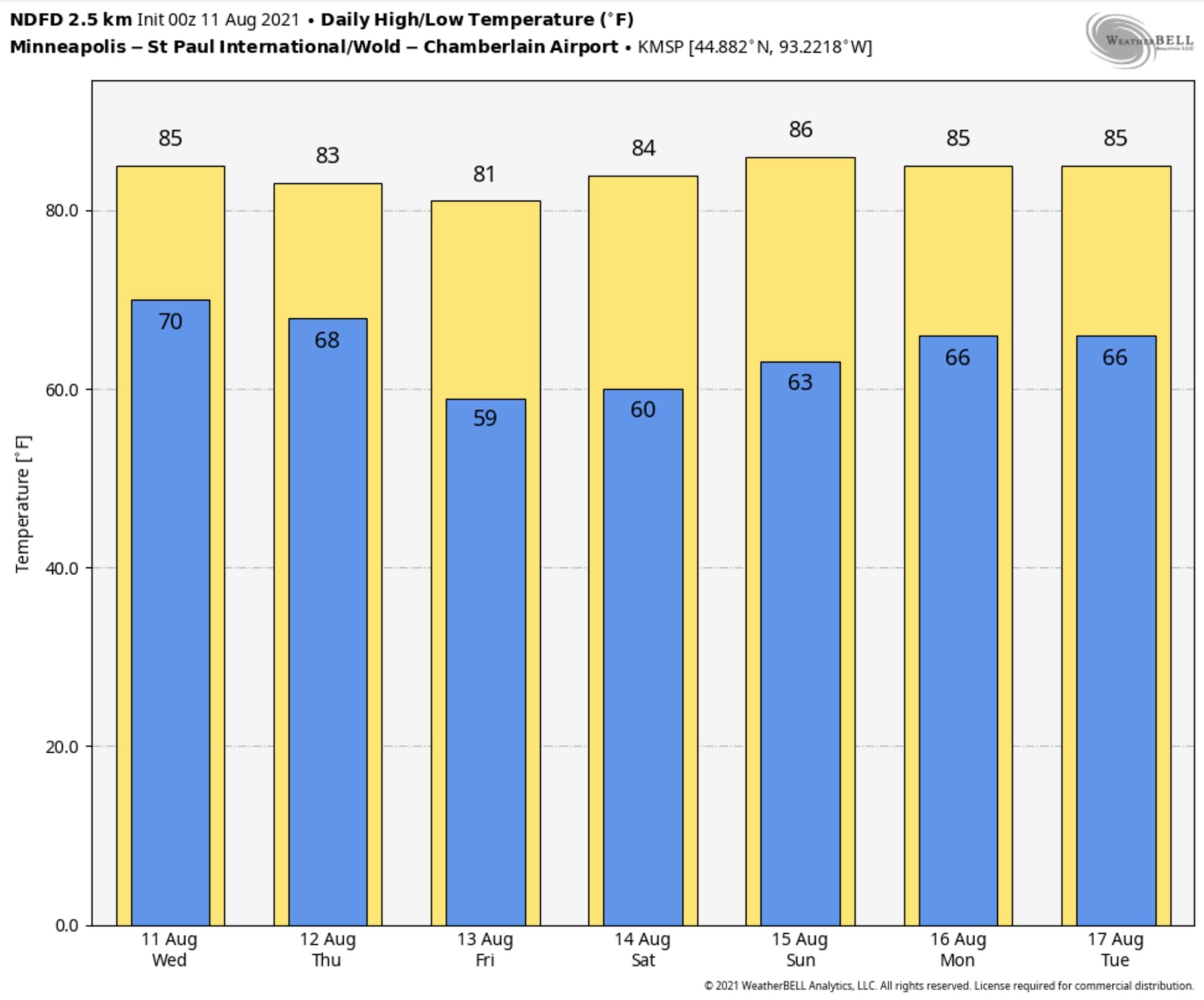
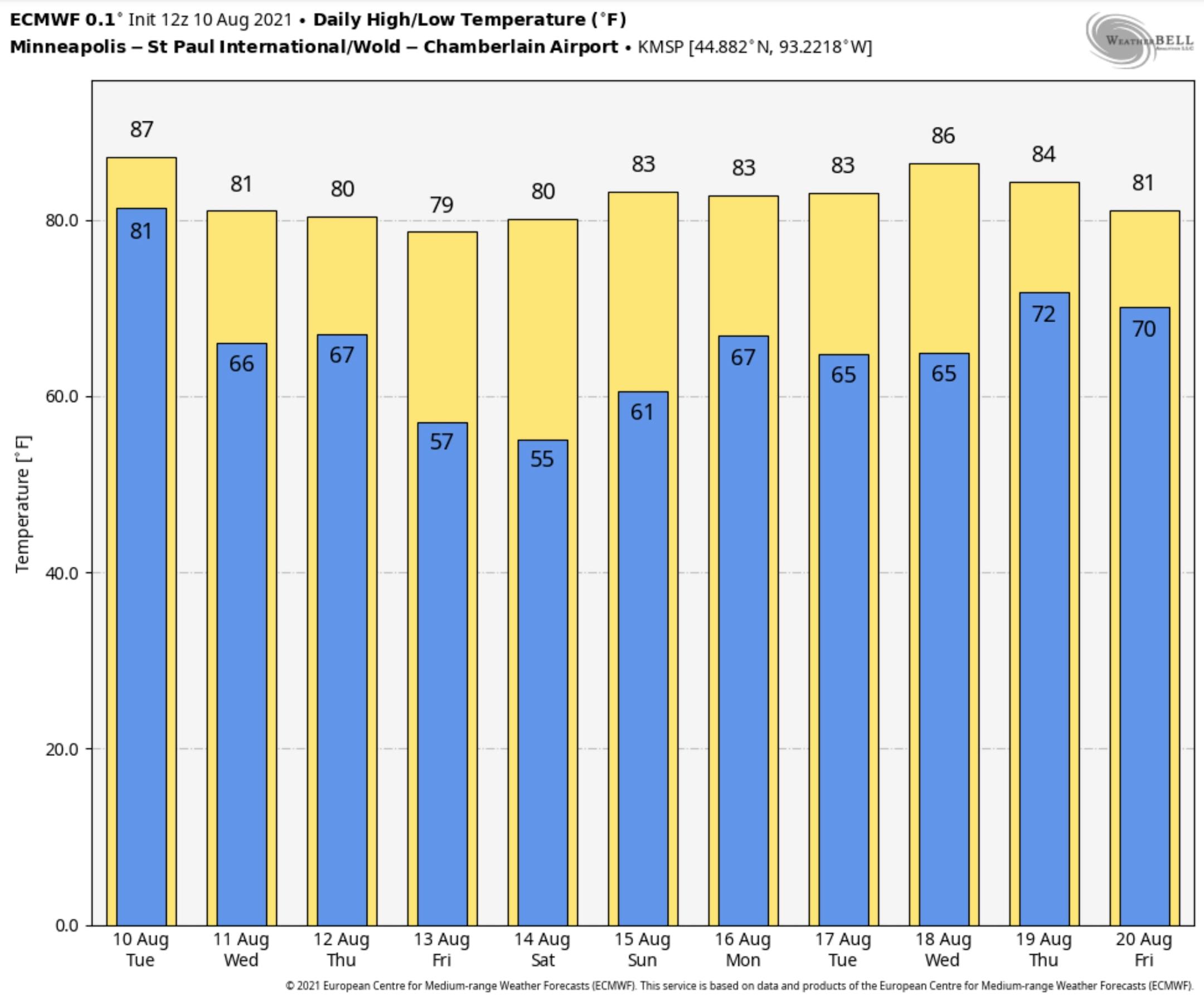
NOAA NDFD Temperatures for MSP (weatherbell.com/The Minnesota Star Tribune)
(The Minnesota Star Tribune)
(The Minnesota Star Tribune)
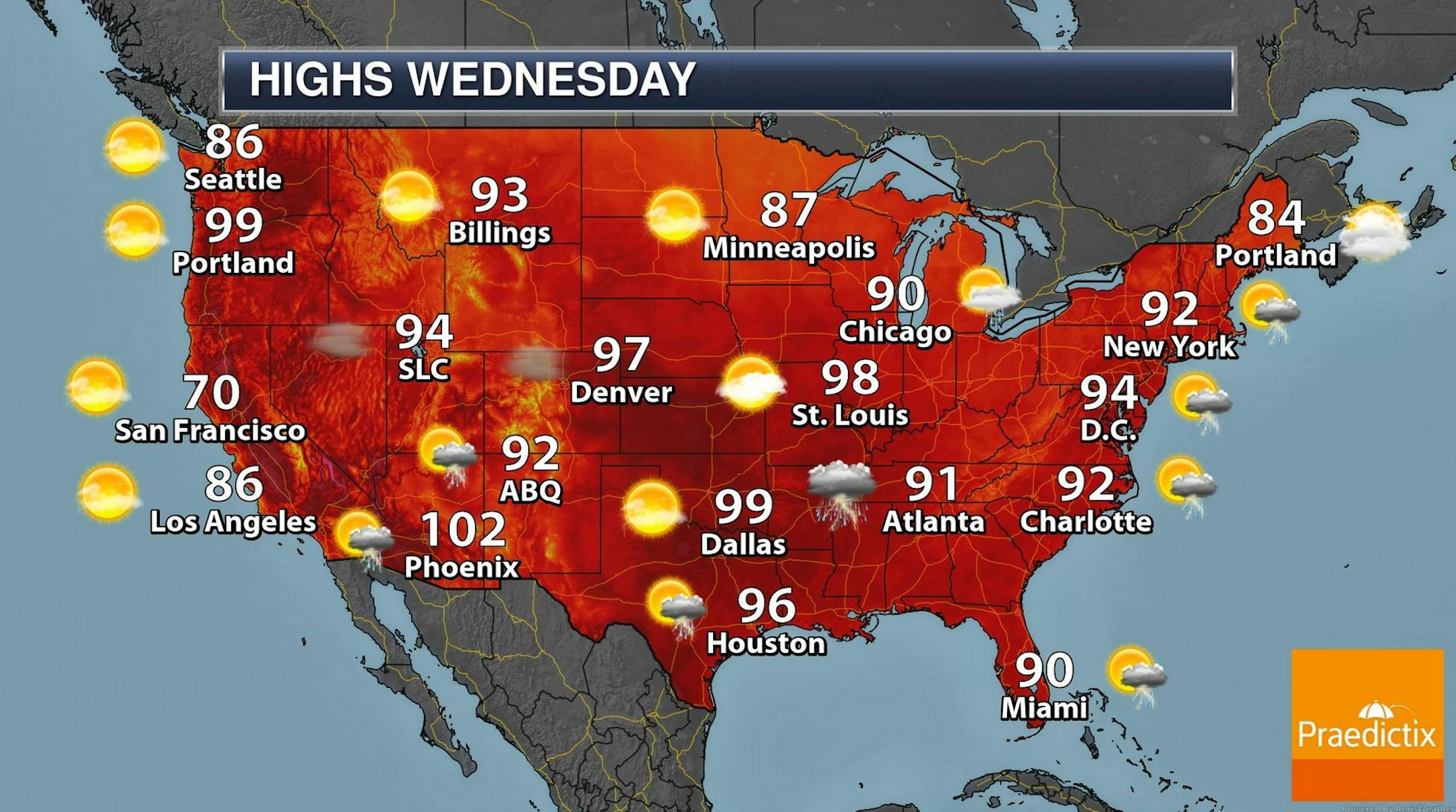
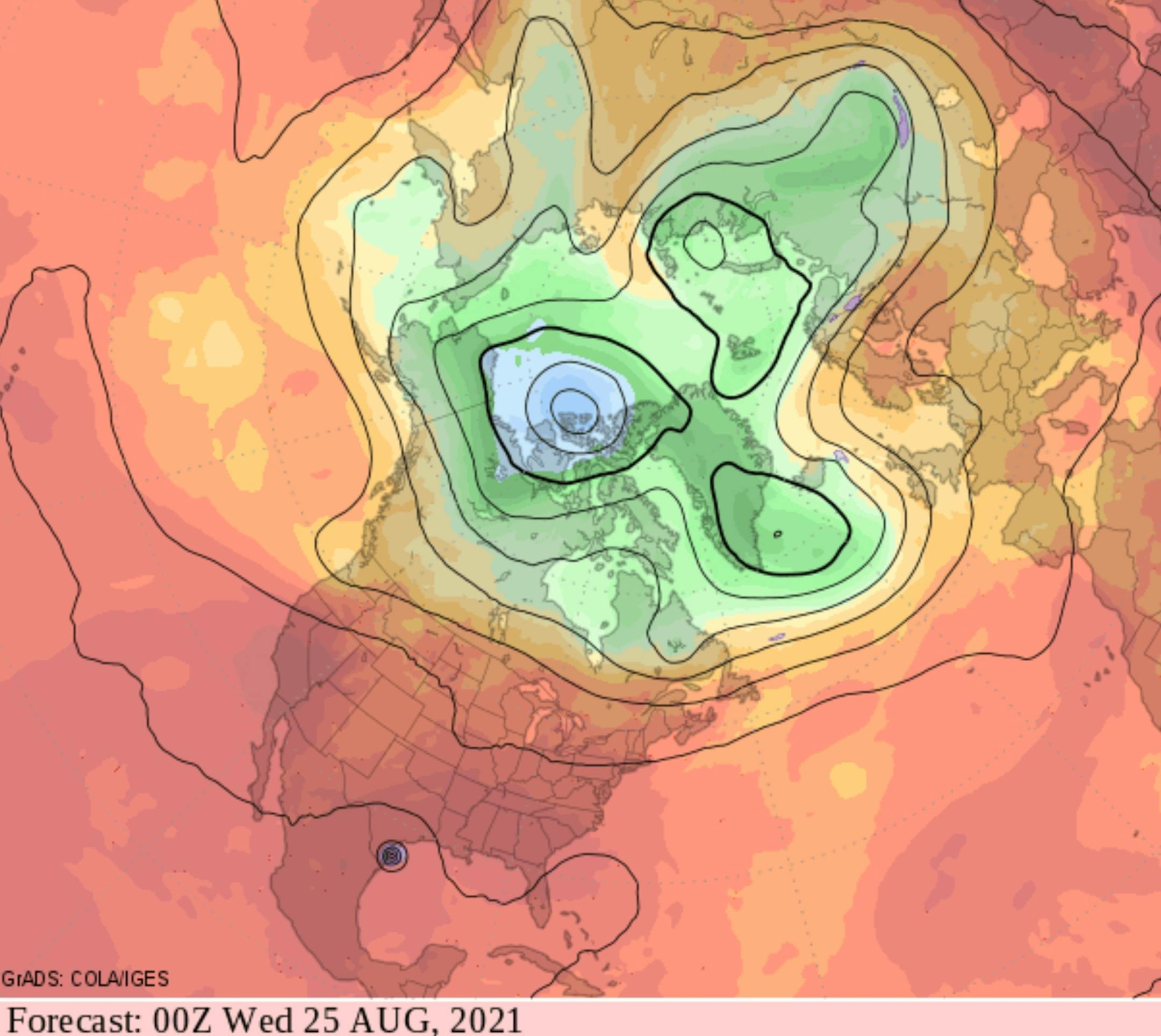
Seasonably Warm in Late August. That's what GFS is implying, dribbling a few (weak) cool fronts into the northern tier of the USA, keeping the core of the heat over the southern half of the nation.
(AerisWeather/The Minnesota Star Tribune)
(NHC/The Minnesota Star Tribune)
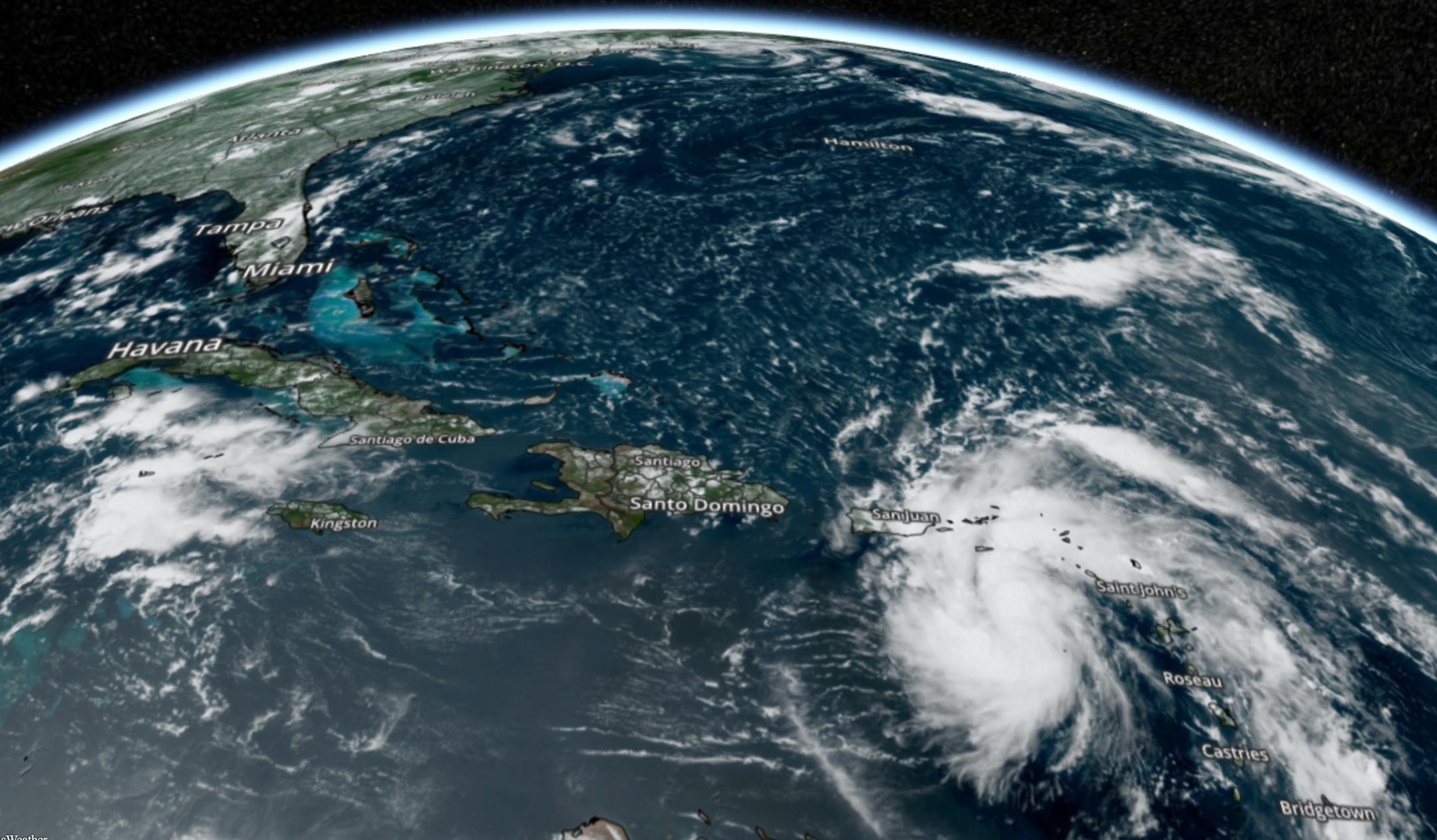
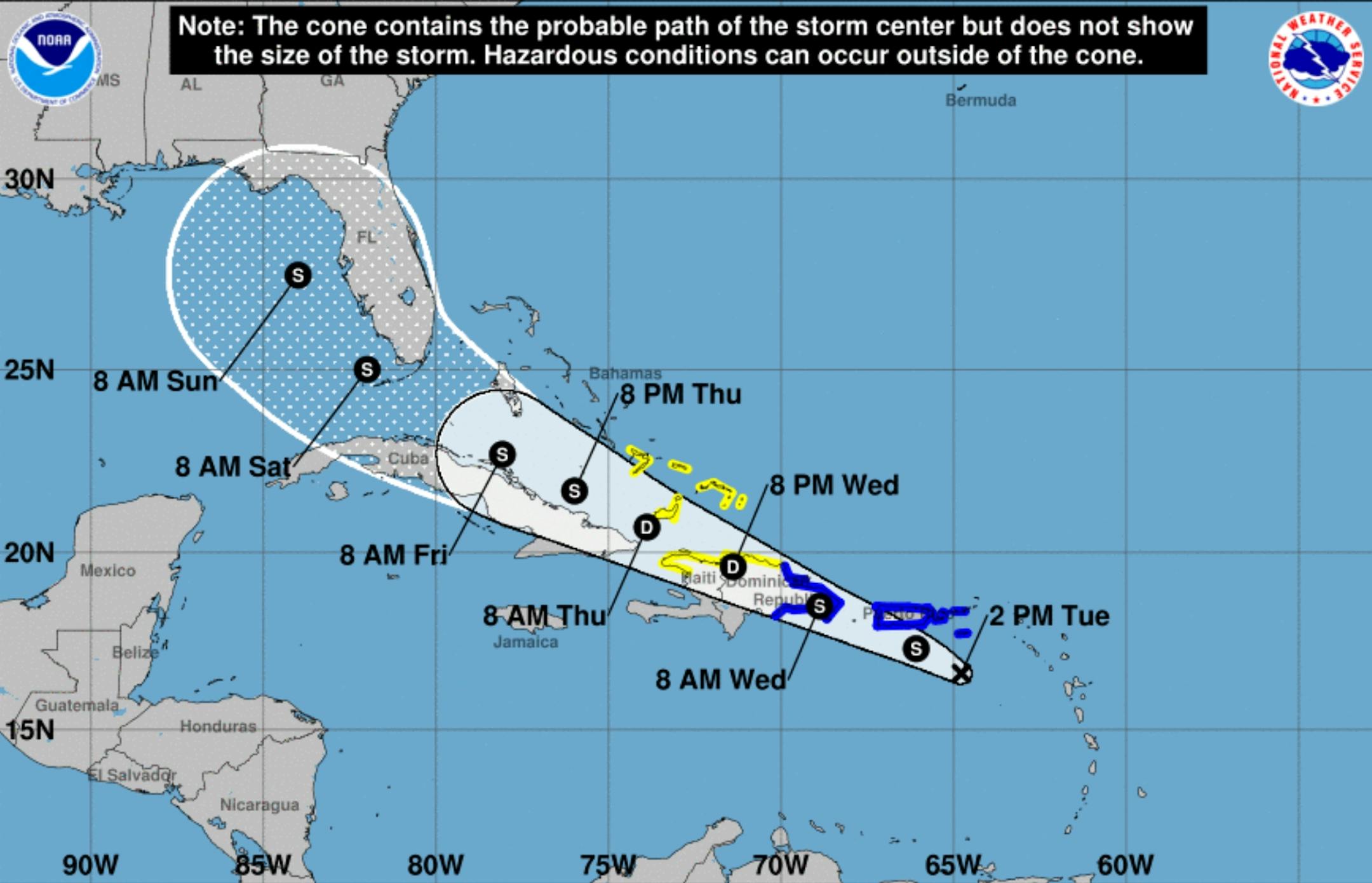
Tracking Fred? NOAA's National Hurricane Center brings a tropical depression into Hispaniola, strengthening back to tropical storm strength off the north coast of Cuba before tracking up the western (Gulf) coast of Florida over the weekend. The intermission from tropical weather was nice - here comes prime time.
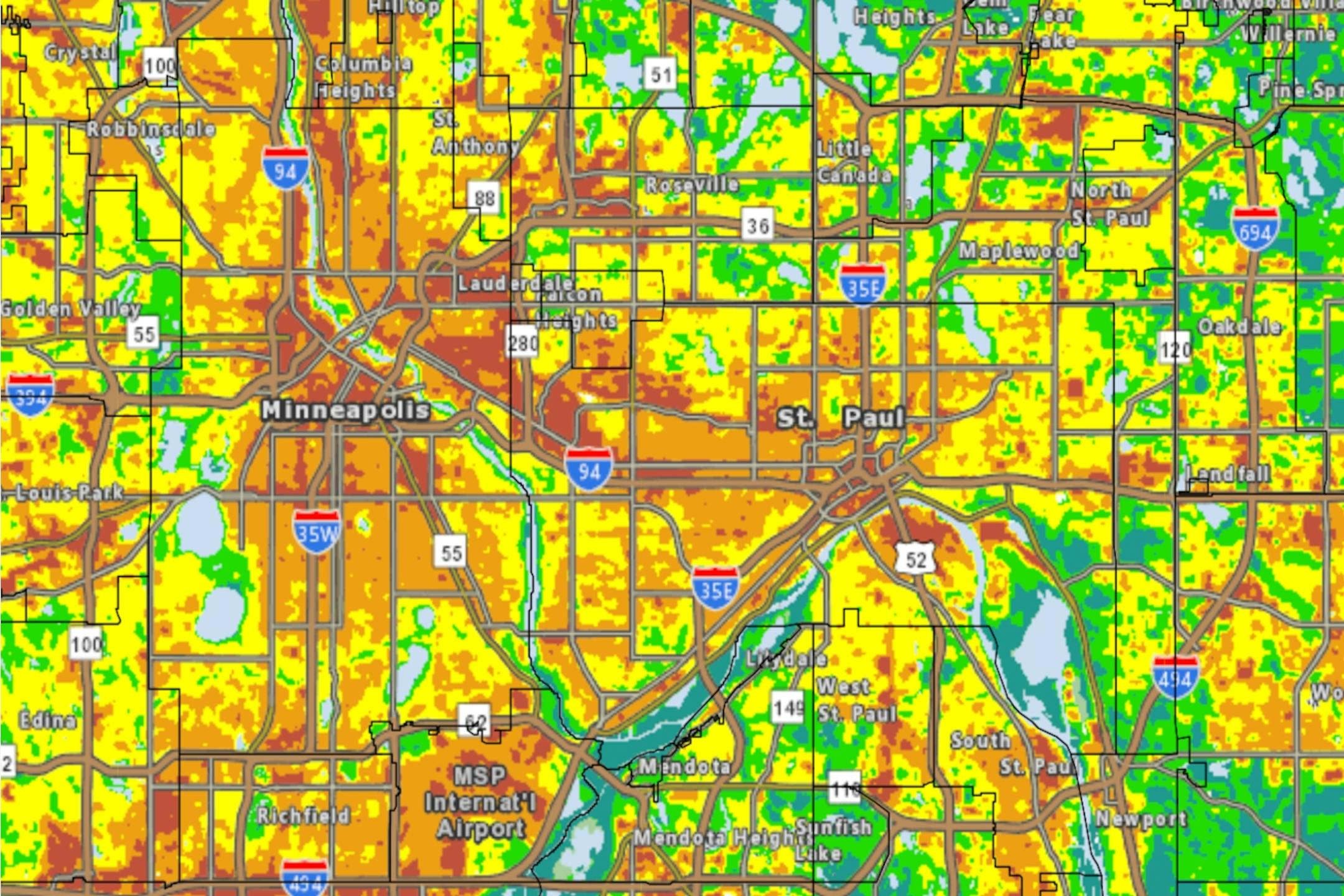
A screen shot of the Metropolitan Council’s heat island tool shows hot spots in the Twin Cities, which often reflect historic redlining practices. (The Minnesota Star Tribune)
Historically Red-lined Neighborhoods are Warmer Than Others in the Twin Cities. The impact of the urban heat island is greatest in urban areas least able to cope with an extra 5-10 degrees on sweltering summer days (and nights). Sahan Journal has the post; here's an excerpt: "...In a St. Louis Park parking lot, the temperature above a bed of asphalt outside a big box store reached 94 degrees in the mid-afternoon Aug. 3. A few miles west, on a tree-lined sidewalk in south Minneapolis' East Isles neighborhood, it was 82 degrees. On the southeast side of downtown Minneapolis, amid the concrete streets and large buildings of the Elliot Park neighborhood, temperatures averaged around 90 degrees, cooling to 85 degrees in the shade of a local park. The wide range of measurements, taken by Sahan Journal in the span of a few hours, exemplify what's known as the urban heat island effect. It's a phenomenon in which urban centers with a lack of vegetation average higher temperatures than surrounding areas with more trees and plants. But even within cities, the differences between green areas and those built of concrete is stark. And, since wealthier neighborhoods tend to be greener than poorer ones, the heat island effect disproportionately impacts low-income people and people of color..."
(Paul Douglas/The Minnesota Star Tribune)
5G Wireless Could Interfere with Weather Forecasts. Scientific American explains: "Federal agencies are competing with one another over radio waves used to help predict changes in the climate as the sky is increasingly cluttered with noise from billions of smartphones. On one side are NOAA and NASA. They have developed space satellites that passively capture and decode the faint energy signals given off by changes in water vapor, temperatures, rain and wind that determine future weather patterns. They are supported by weather and earth scientists who say the signals are threatened by 5G, the emerging "fifth generation" of wireless communication devices that could create enough electronic noise on radio spectrums to reduce forecasting skills and distort computer models needed to predict the progress of climate change..."
(DARPA/The Minnesota Star Tribune)
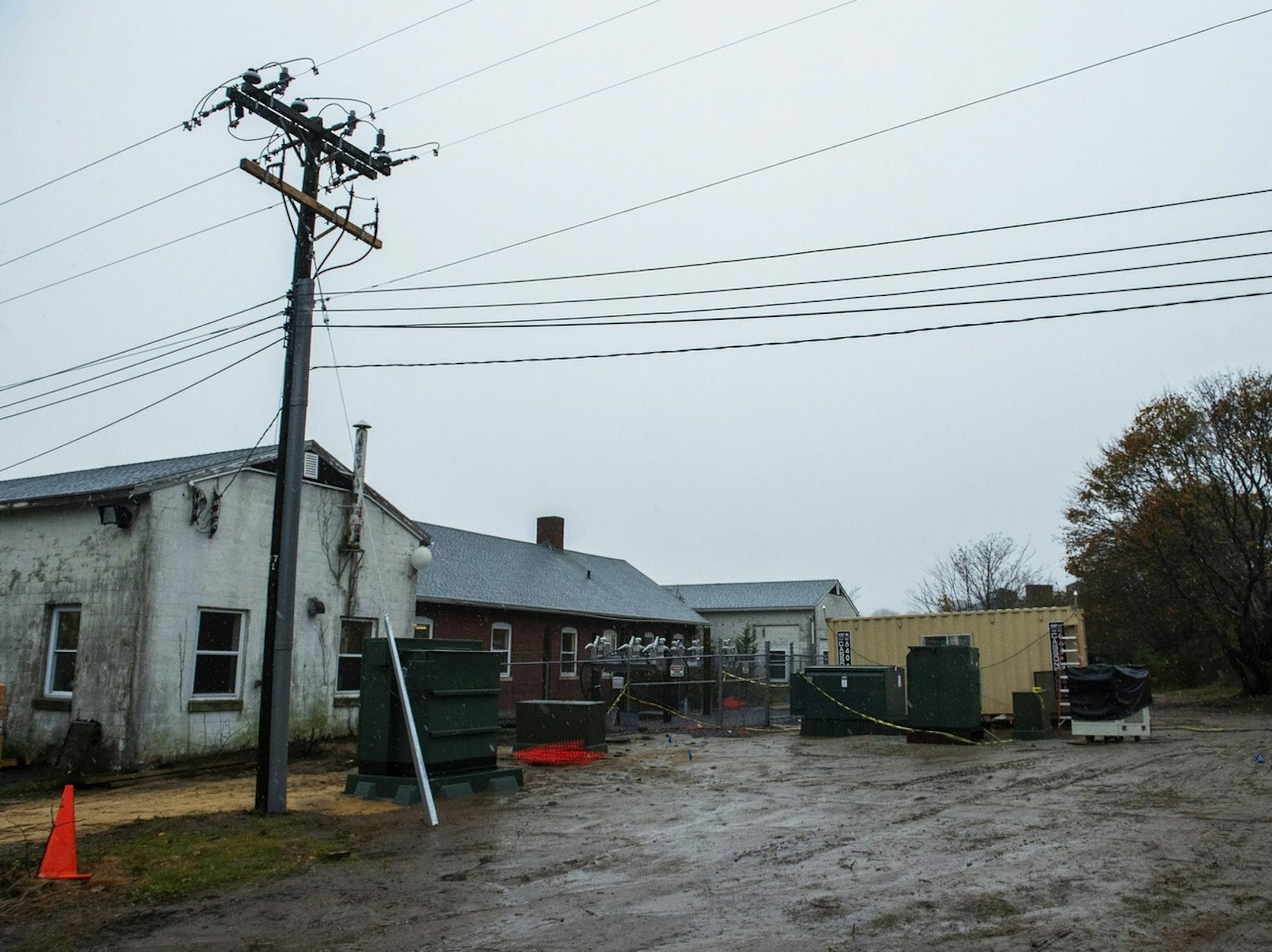
Blackouts and Power Interruptions Linked to Extreme Weather Are On the Rise. Here's the intro to a report at Nature World News: "According to a recent study, blackouts caused by extreme weather have more than quadrupled in the previous six years, with the number of blackouts in the Pacific Northwest this summer serving as an example. Brian Stone, a professor at Georgia Institute of Technology, stated that the study's team of researchers could model how a heat wave in Atlanta, Detroit, and Phoenix would affect temperatures both inside and outside structures. They discovered that the number of blackout occurrences lasting at least one hour and affecting at least 50,000 utility customers in the United States rose by more than 60% during the preceding five-year reporting period..."
(The Minnesota Star Tribune)
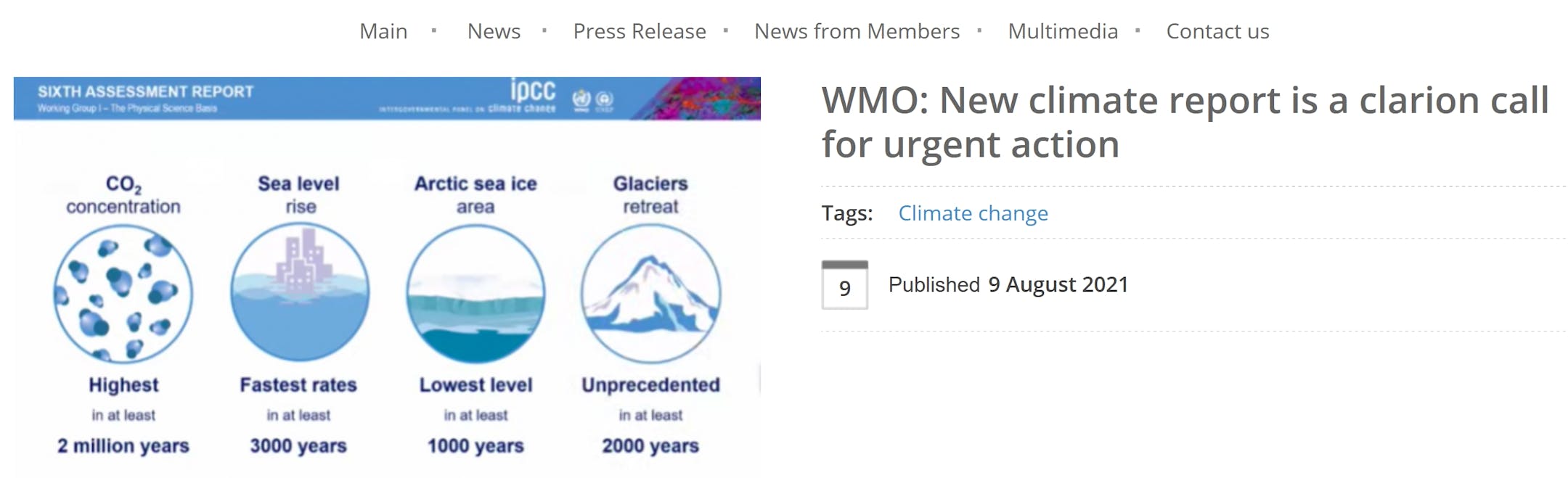
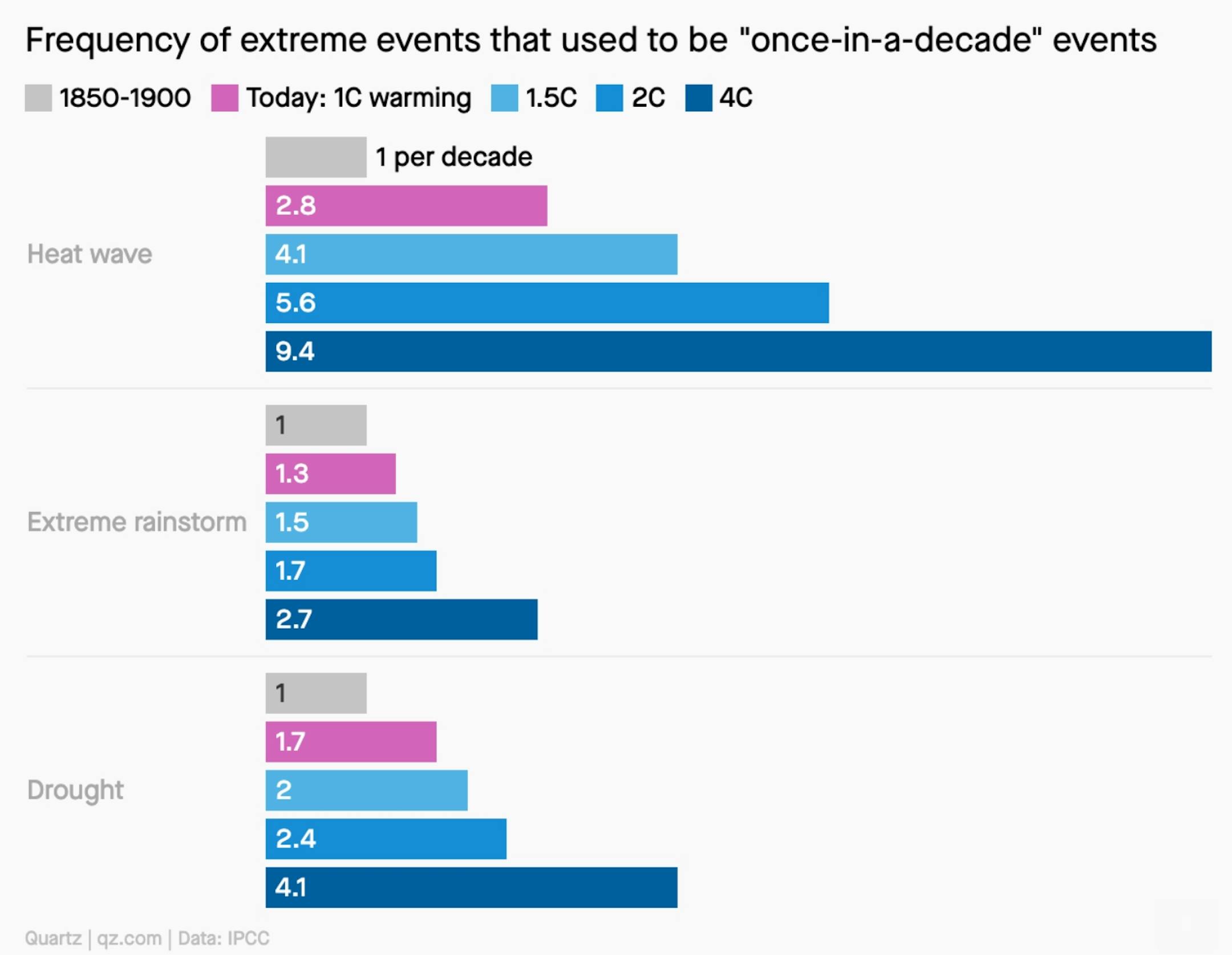
Extreme Weather Events May Share the Same Mechanism. Earth.com reports; here's an excerpt: "Record-breaking weather events, both hot and cold, may actually share the same underlying mechanism. An international research team has looked into three extreme events from the past winter to identify the forces that are driving such swings in the weather. "By studying these record-breaking cold spells, we can see the 'big picture' of extreme weather events." said study co-author Zhe Han, a scientist in the Institute of Atmospheric Physics at the Chinese Academy of Sciences. "Though the events can be different, they might share similar underlying mechanisms that are related to the global warming. Along with the warming, the Arctic amplification and intensified ocean thermal anomalies may interact with the atmospheric circulation, such as the polar vortex and sudden stratospheric warming, to cause the occurrence of extreme cold or hot events..."