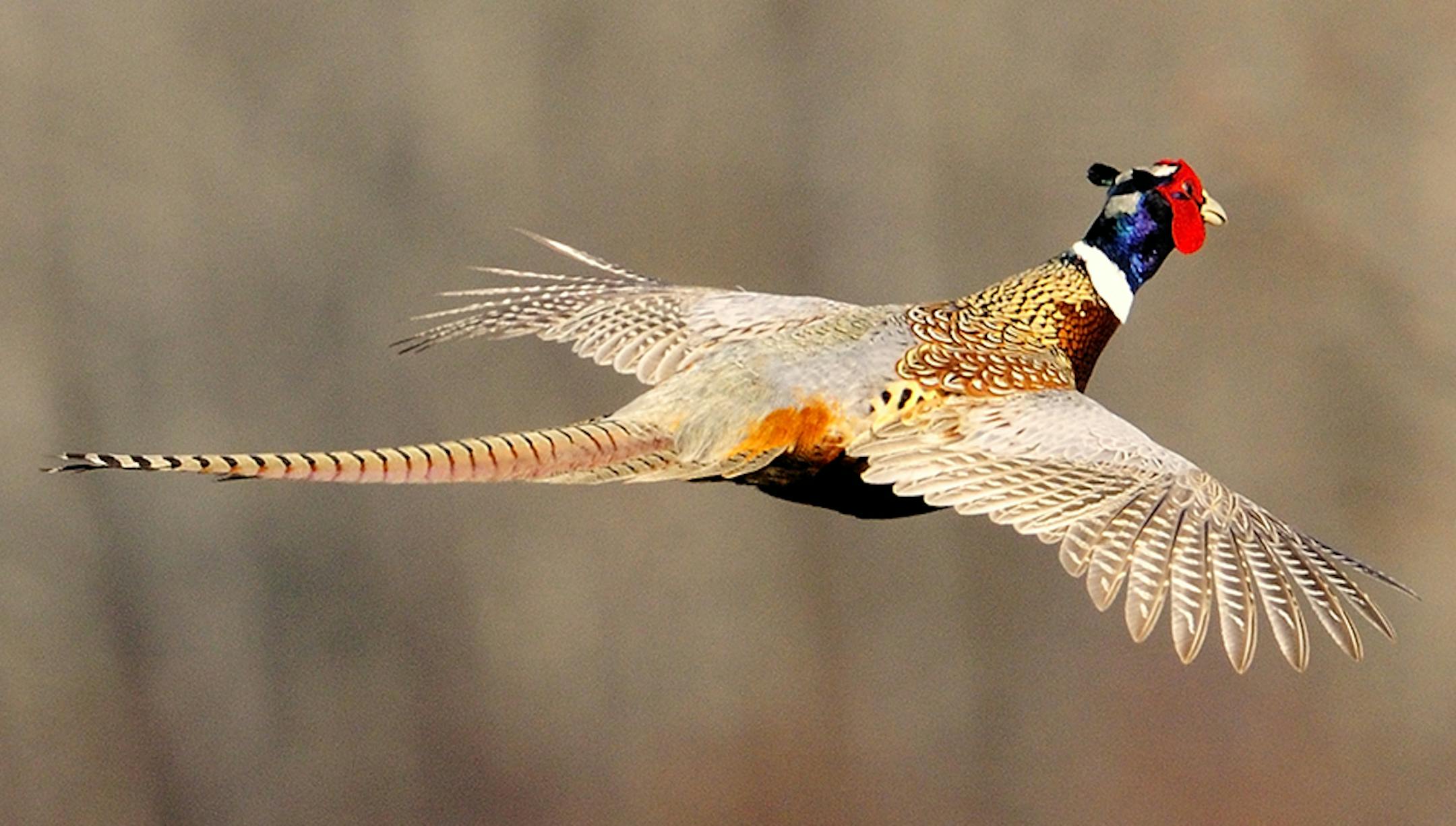
Minnesota pheasant hunters will head afield on Saturday's opener with the optimism of true believers — bird numbers are up from last year.
But they also likely will be pondering the future of ringnecks and ringneck hunters, given the precipitous recent decline of both. They also might be eyeing our South Dakota neighbors, who are dealing with the same issues: loss of habitat, a declining pheasant population and fewer hunters.
Both states have hatched plans to restore ringneck populations in hopes of maintaining their hunting traditions. But if the nation's pheasant Capitol — long blessed with an abundance of habitat and near-perfect pheasant-producing weather — can't right the ringneck ship, can Minnesota?
"If we can't protect the best of the best, we should get out of business,'' said Dave Nomsen, Pheasants Forever's vice president of government affairs, who heads the conservation group's new regional office in Brookings, S.D. PF opened the office specifically to address the dramatic decline in pheasant numbers, spurred by massive habitat losses.
But Minnesota has some major advantages over South Dakota, said Ed Boggess, Minnesota Department of Natural Resources Fish and Wildlife Division director. And the question might be: Can South Dakota match Minnesota's efforts to restore pheasants?
"Compared to the Dakotas, Minnesota is blessed with a very strong network of conservation organizations, a legacy funding program for habitat and clean water, and generally favorable state policies and laws toward habitat and wetlands,'' he said. "They also don't have the population or funding base Minnesota has.
"I'd say we've got the best chance of any state to turn this around.''
Money is a key factor. Minnesota gets about $100 million yearly in Outdoor Heritage Fund dollars for wildlife habitat, which comes from the Clean Water, Land and Legacy Amendment. The DNR's recently released Pheasant Summit Action Plan depends heavily on those dollars.