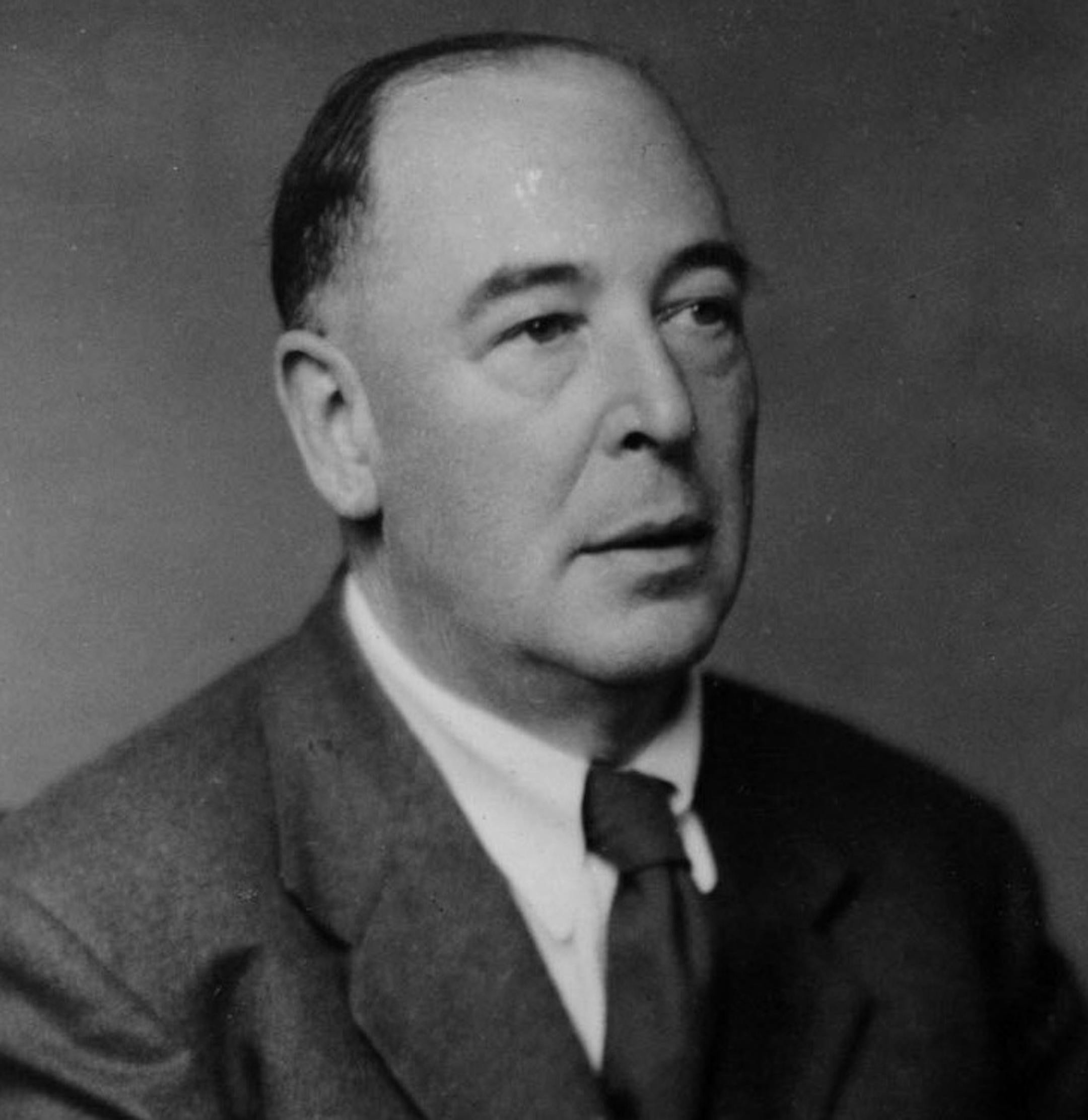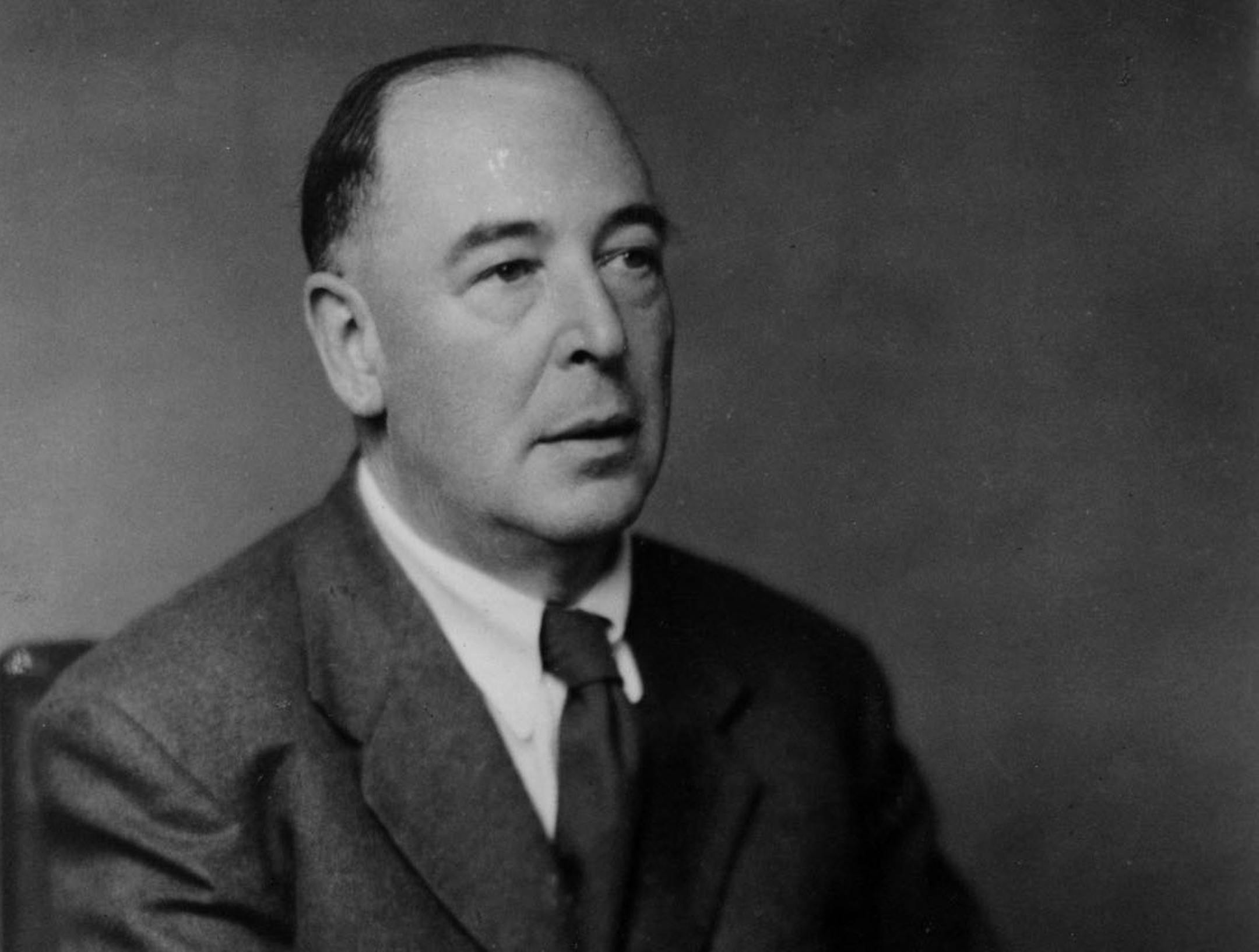
He went quietly. It was very British. While the world's attention turned to Dallas and the assassination of President John F. Kennedy, one Clive Staples Lewis breathed his last in Oxford just a week shy of his 65th birthday. Strangely enough, science-fictionist Aldous Huxley passed the same day. In one calendar square, three of the 20th century's most influential figures were gone.
It was Nov. 22, 1963.
C.S. Lewis is known best for his series of seven short fiction books, the "Chronicles of Narnia," which have sold more than 100 million copies in 40 languages. With three of the stories already made into major motion pictures, and the fourth in the making, Lewis is as popular today as he's ever been.
But even before publishing "Narnia" in early 1950s, he had distinguished himself as a professor at Oxford and Cambridge, the world's foremost expert in Medieval and Renaissance English literature, and as one of the great lay thinkers and writers in two millennia of the Christian church.
Lewis was born in Belfast in 1898. He became an atheist in his teens, and a strident one in his 20s, before slowly warming to theism in his early 30s, and finally being fully converted to Christianity at age 33. And he would prove to be for many, as he was for his friend Owen Barfield, the "most thoroughly converted man I have ever known."
What catches the eye about Lewis among Christian thinkers is his utter commitment to both the life of the mind and the life of the heart. He both thinks and feels with the best. Lewis insisted that rigorous thought and deep affections were not at odds, but mutually supportive.
What eventually led Lewis to theism, and finally to Christianity, was "Longing" — an ache for Joy with a capital J. He had learned all too well that relentless rationality could not adequately explain the depth and complexity of human life, or the textures and hues of the world in which we find ourselves. From early on, an angst gnawed at him that one day he would express so memorably in his best-known single book, "Mere Christianity":
"If I find in myself a desire which no experience in this world can satisfy, the most probable explanation is that I was made for another world."