

Faced with a strike that threatened the Minnesota Orchestra's 1994 season, arts philanthropist Kenneth Dayton played a key role in ending the walkout after just 2½ weeks.
Now fast-forward to 2013 — a decade after Dayton's death — and try to name a civic leader who could help broker a settlement in the bitter orchestra dispute that threatens not only the orchestra's current season but its very future.
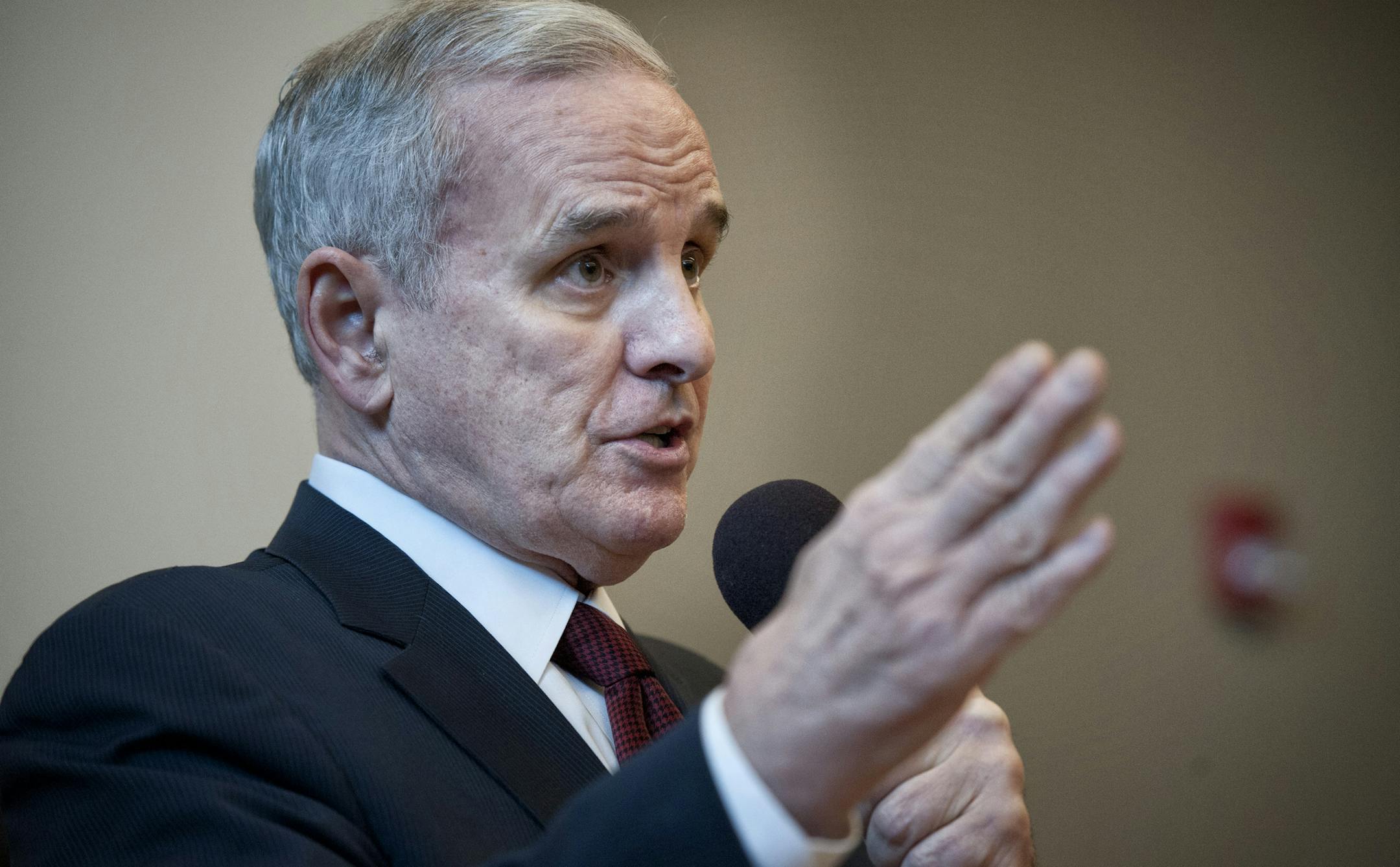
Kenneth Dayton's greatest generation of Minnesota arts and business leaders is largely gone. But one notable Dayton family member remains a powerful figure in the state: Gov. Mark Dayton.
Much as St. Paul Mayor Chris Coleman recently brokered a deal ending the 191-day standoff at the smaller St. Paul Chamber Orchestra (SPCO), we urge the governor to use the influence of his office to prevent a catastrophe at Orchestra Hall in Minneapolis.
The Minnesota Orchestra is a cultural asset worth protecting, and the lockout — now in its eighth month — has become an embarrassment for the state's arts community. If the dysfunction continues into a second season, it could destroy an ensemble that's been described as among the world's best.
We're not suggesting that Dayton personally negotiate the terms of a settlement. He has a legislative session to complete, and his prolabor leanings would put some on guard.
But the governor can use his bully pulpit to make the stakes clear to Minnesotans and urge the two sides to get back to the table before it's too late. If the two camps are open to further mediation, Dayton could call upon a trusted, impartial community leader or leaders to fill that role. Names such as Arne Carlson and Walter Mondale come to mind.
Admittedly, the business-model challenges the orchestra faces today are more difficult than they were in 1994, when negotiations broke down over the size of pay increases rather than wage and benefit cuts.


