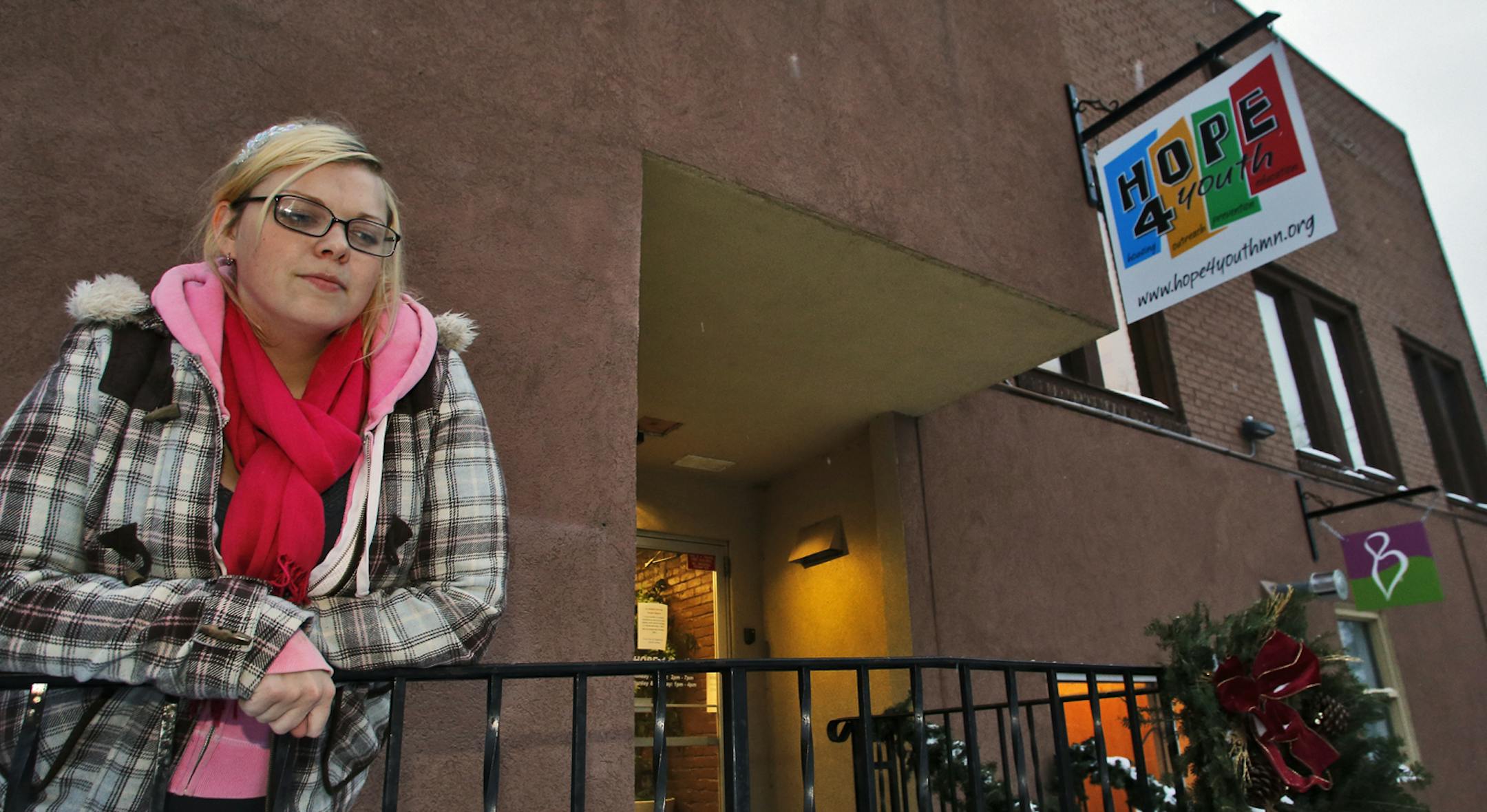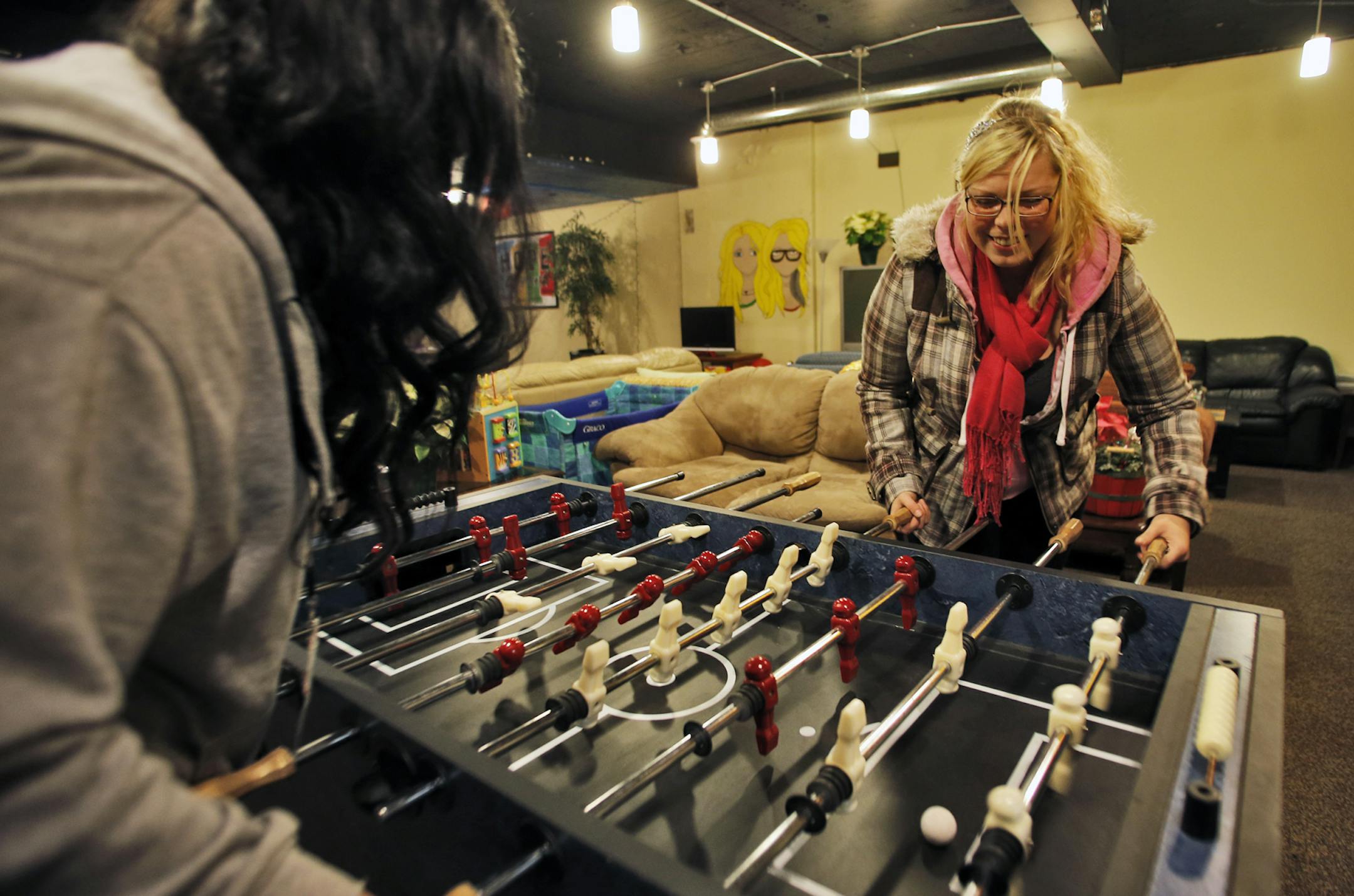
As winter settled in this month, the city of Anoka struggled with a compelling problem: homeless youth sleeping outdoors in subzero temperatures because they had no warm place to stay.
The issue flared when a fledgling drop-in center, HOPE 4 Youth, proposed adding sleeping quarters at its site in the Milk Factory building, near the city's Northstar commuter rail station.
"We went to the city with this idea because there was space available in our building and because we were struggling to find a place for youth that were sleeping outside," HOPE 4 Youth co-founder Brian Swanson told the City Council in mid-December.
At the packed meeting, the council — noting that Anoka already has a 60-bed homeless shelter — passed a moratorium for up to a year on new overnight shelters while it studies the matter and sets standards if more facilities are allowed.
Mayor Phil Rice noted that, in the past five years, Anoka has increased the number of temporary beds for homeless adults from 16 to 60. He said that the city is doing more than its share and that other communities need to start offering homeless housing.
Swanson said later that he had spoken to Rice and appreciated city concerns, including that a shelter in the Milk Factory might not fit city plans to develop a business and residential community around the Northstar station. "I concluded it is not a good use of our resources to try and fight this. The city has valid points," he said.
Not the last word
The issue is likely to come up again, however.
Anoka County has only two homeless housing programs: Stepping Stone Emergency Housing in Anoka, with the 60 beds, and Family of Promise, which houses four or five families for up to 90 days in 14 churches, said Karrie Schaaf, a homeless-liaison worker for the Anoka-Hennepin School District. She said the district currently has 537 homeless students in all grades, including 105 older students living without a parent or guardian.