

This fall marks the third consecutive school year that seventh- and eighth-graders in the Anoka-Hennepin School District can be selected for varsity competition.
How and when officials representing the state's largest district make their acceleration policy determinations, however, is a cause for concern. Last winter the parents of a girls' hockey player who appeared to make Blaine's team as an eighth-grader petitioned the district's decision to deny her a roster spot.
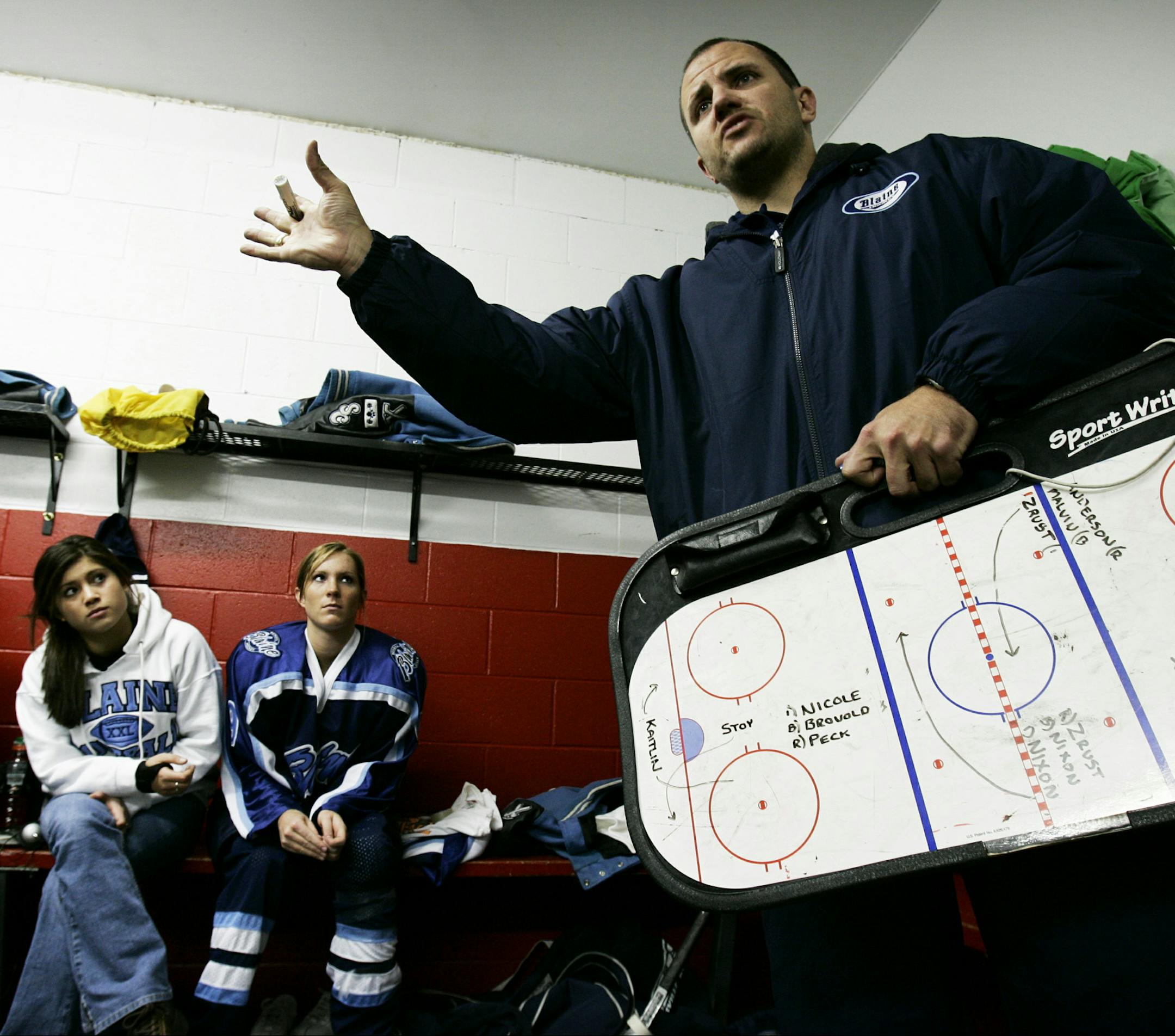
The player had "a great tryout" according to Bengals coach Steve Guider and projected to land among the team's top six forwards. But selecting her would have meant displacing a high school-aged teammate, which is not permitted by the acceleration policy.
Started as a pilot policy in 2013-14, it tweaked Anoka-Hennepin's identity as the state's only district requiring almost all varsity teams to have solely high school students. Previously, seventh- or eighth-graders could compete for a high school team only below varsity to fill out a roster.
Complaints about that rule, challenged several times in the past two decades, grew louder in recent years. The father of an Anoka girls' cross-country runner filed a complaint with the U.S. Department of Education charging the district with age discrimination.
With the policy, about 35 seventh- and eighth-graders were approved to join varsity teams in each of the past two school years. In 2013, three eighth-graders joined the Anoka girls' cross-country team midseason and helped the Tornadoes to their first state meet in 15 years.
To gauge a youngster's academic and social readiness, the coach and activities director talk with the athlete and his or her parents. From there, a committee representing all five high schools, plus three school board members, must unanimously approve the decision.
Athletes interested in accelerating in sports such as cross-country, track and field and swimming and diving are more likely to be chosen. The reason, school board chairman Tom Heidemann said, is an objective standard exists to judge ability. Skill-sets that catch the eyes of coaches in sports such as hockey, soccer or softball are more subjective.


