

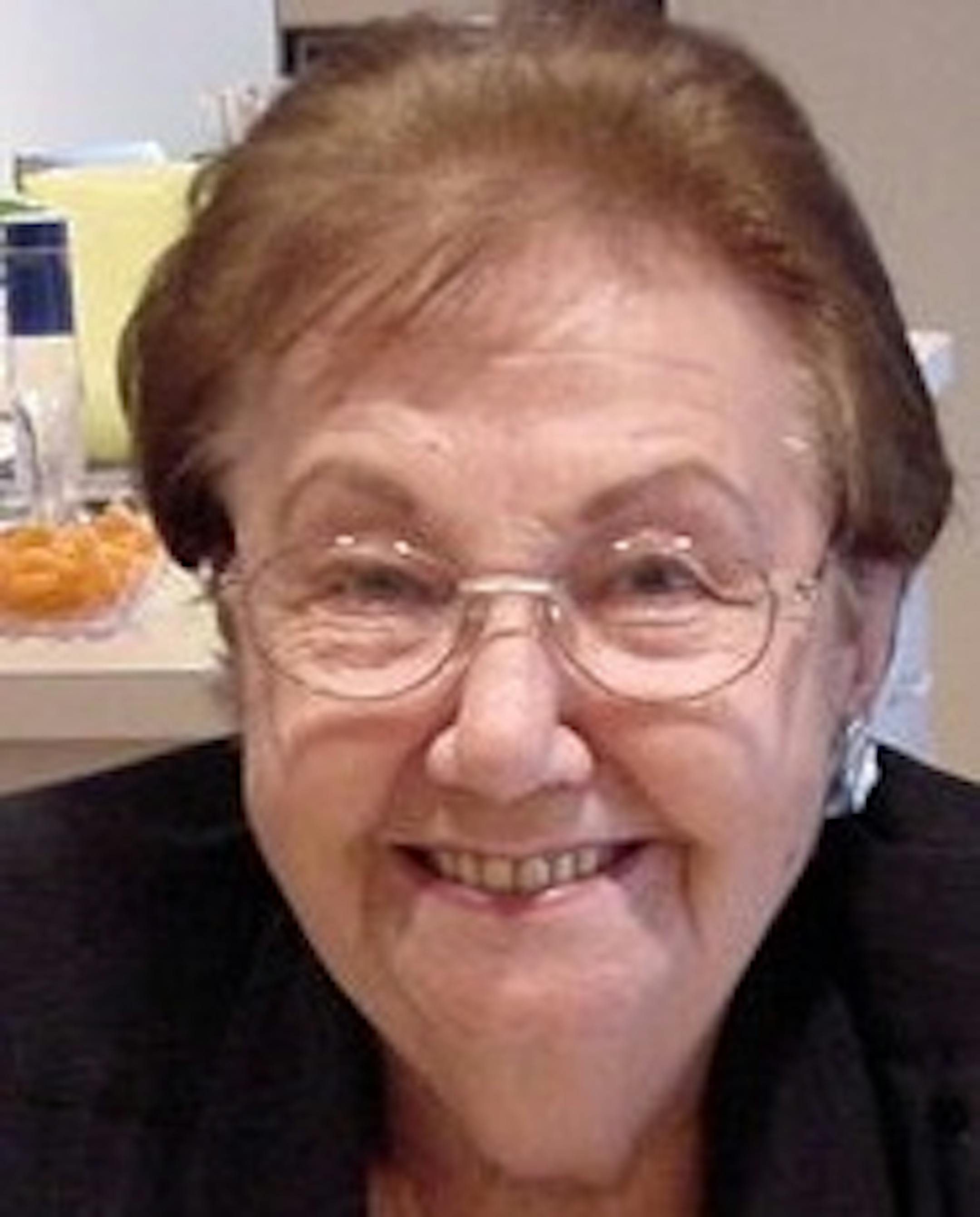
When the Nazis called her little sister's name, Anne "Chana" Ptaszek made a choice. She stepped forward.
In that moment, Ptaszek positioned herself between her sister and almost certain death. It was January 1945. As the Germans scrambled to transport Jews — including Ptaszek and her four siblings — from the labor camp in Poland by train, their liberators grew closer.
Lined up in front of their barracks, Ptaszek and her siblings listened as names were called. When their youngest sister, Reva, was called out, Ptaszek pretended to be her.
"They knew they were going to their death," her sister Reva Kibort recalled. "She was that kind of girl."
The arrival of the Russians disrupted the German plans, leaving no time to send the batch of men, women and children away, including Ptaszek and several of her other siblings.
More than 70 years after their liberation, Ptaszek's siblings still credit their older sister for helping them survive. Known by her family for her selfless resolve, Ptaszek died Jan. 24. The Holocaust survivor and admired seamstress was 92.
She was born in Warsaw, Poland, the oldest of seven children, and took on the role of mother from an early age. After her parents died in the war, she cared for her four surviving siblings and helped shepherd them through the Holocaust. The five siblings managed to stay together in the labor camps — a rarity among survivors.
From her sacrifices during the war to her motherly devotion in the decades that followed, Ptaszek exemplified what relatives describe as Eshet Hayil, Hebrew for a woman of valor.


