

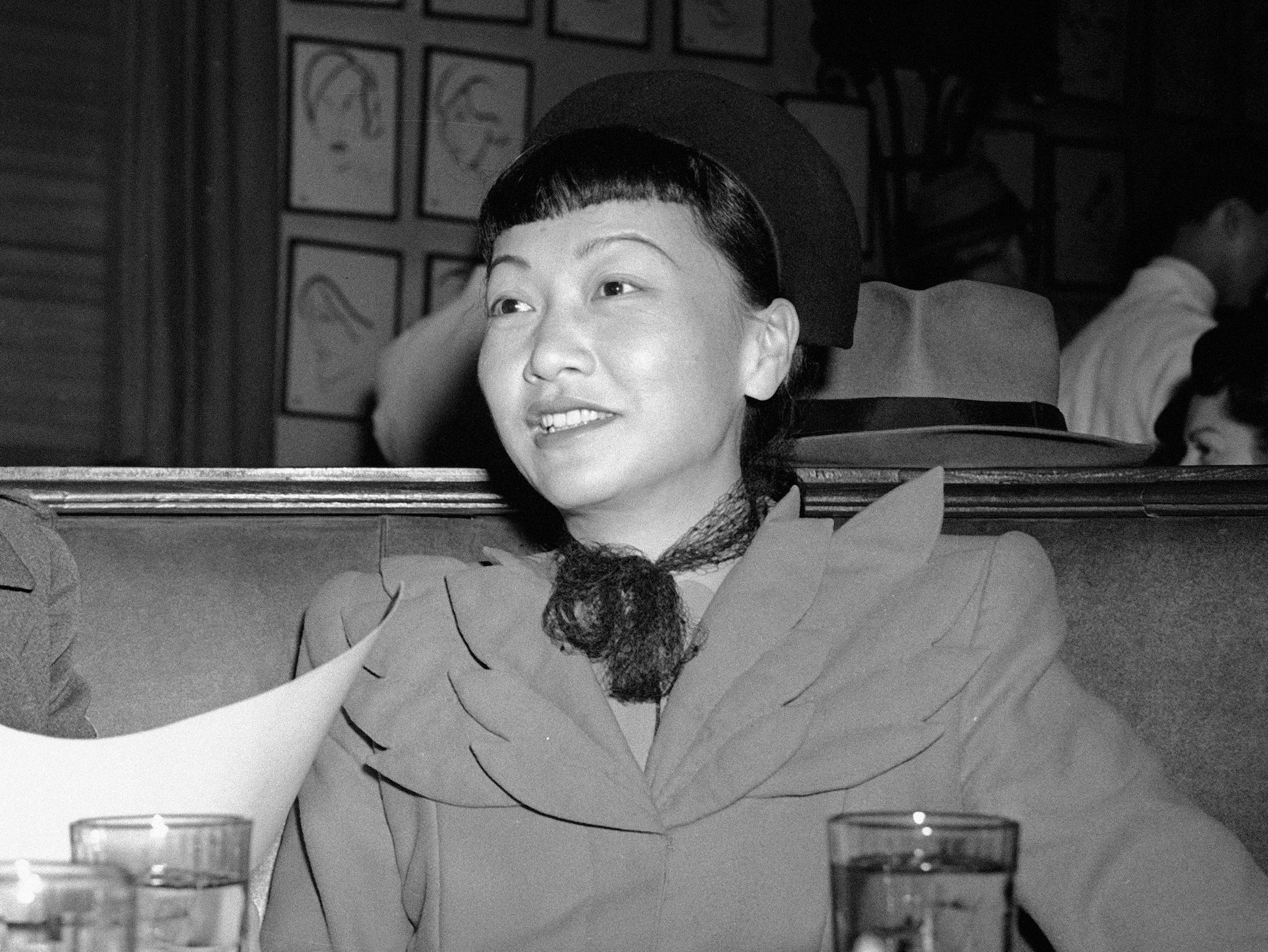
LOS ANGELES — As a 14-year-old girl, the daughter of immigrants in Chinatown in Los Angeles, Anna May Wong talked her way into her first role in a movie. Over the decades-long career that followed, she rose to become the first Asian American film star in Hollywood. When Wong died in 1961, The New York Times called the actress, known for her large, expressive eyes and flapper-era styles, "one of the most unforgettable figures of Hollywood's great days."
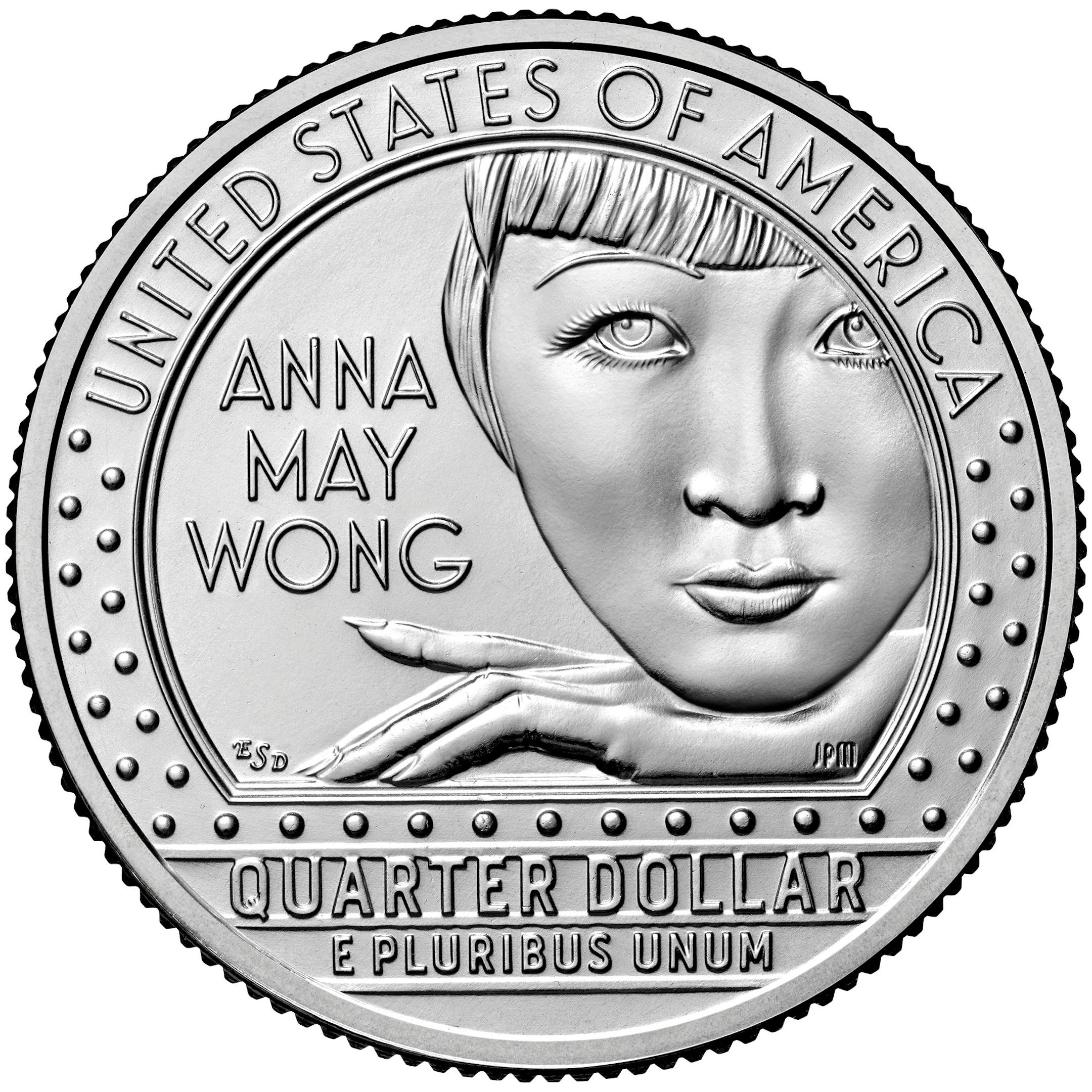
Now Wong is gaining another coveted role — on the quarter. Part of a new effort that also put writer Maya Angelou and astronaut Sally Ride on currency, the U.S. Mint on Monday will begin producing coins pressed with Wong's image, a close-up of her face resting on an elegant, manicured hand.
The new quarter honors not just Wong's trailblazing career but also the difficulties she faced trying to secure meaningful roles as an Asian American actress in an era of "yellowface" and anti-miscegenation laws.
"Decades before the civil rights-generated category of Asian American existed, Wong grappled with how to be an Asian American actress," Shirley Jennifer Lim, a Stony Brook University history professor, wrote in her book about Wong's career.
The U.S. Mint is expected to create more than 300 million Wong quarters, and she will become the first Asian American to be on U.S. currency. It's an honor that feels particularly meaningful given how much Wong struggled to be seen as American, Lim told me.
"When you get change," she said, "she could actually be there in the palm of your hand."
Wong was born in 1905 in Chinatown, the daughter of a laundryman who ran a shop on Figueroa Street. Around that time, the movie industry was settling in Los Angeles, and productions were increasingly shot in Wong's neighborhood.
"I would play hooky from school to watch the crews at work, though I knew I would get a whipping from my teacher, and later from my father, for it," Wong is quoted as saying in the book "Perpetually Cool: The Many Lives of Anna May Wong," by Anthony Chan. "I would worm my way through the crowd and get as close to the cameras as I dared. I'd stare and stare at these glamorous individuals, directors, cameramen, assistants and actors in greasepaint, who had come down into our section of town to make movies."


