

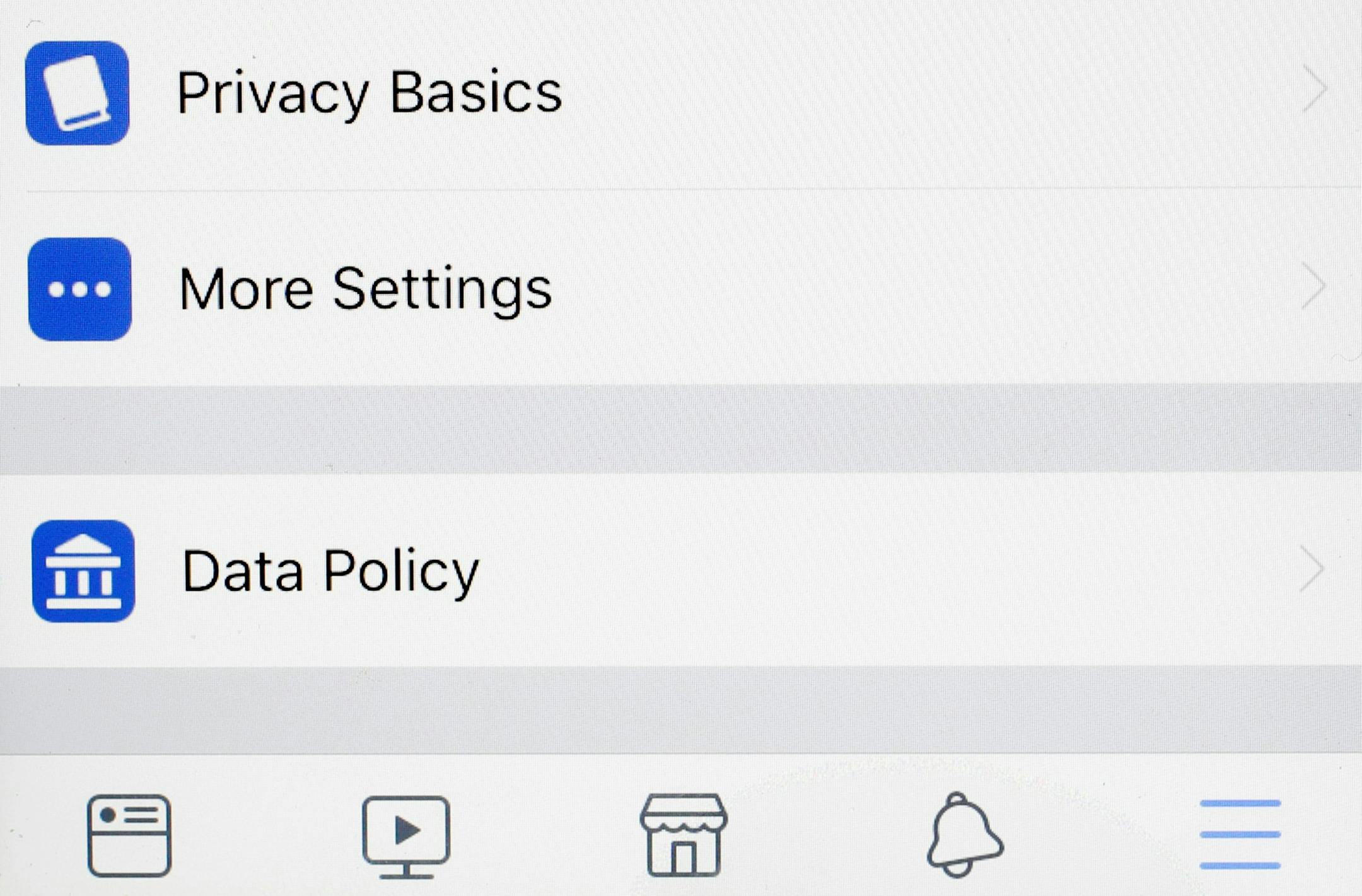
Whenever you sign up for a new social media service or website, or download an app onto your phone or computer, you'll typically see some long disclaimer language written in legalese. You scroll through it quickly and click the "I agree" button.
This fine print is known as a privacy policy. It essentially lays out (sometimes in the most convoluted way possible) how the site or app can use or share your data. The problem is, no one actually reads the language. You just click "yes" and hope for the best, since that's the price you pay for a free website or app or social media network. It seems like a pretty sweet deal. But that's not the deal we're getting.
Our phones and computers can track our every movement and action, while Facebook and Google log every like or click on their sites. There are numerous ways in which our data are collected, used, shared and sold by countless businesses. The largest tech companies profit most.
Facebook is now worth $650 billion, with annual revenue of $70 billion. Google is worth nearly $1 trillion, with annual revenue of $160 billion. The business of these companies is primarily based on advertising directed at us, built on the backs of our data.
They are also influencing our actions and attitudes by feeding us information that maximizes our engagement on those platforms. We ourselves have become the product, and we are being sold to those with the means to buy access to every detail of our behavior — and to shape what we do next.
This needs to stop. The data generated by our activities should be owned by us. We should decide what is being done with that information. And if anyone is making money on our data, it should be us.
The California Consumer Privacy Act, which went into effect Jan. 1, offers a good model for the nation. It gives every Californian the right to know what personal information is being collected, the right to access that data, the right to know who the data are being sold to, the right to say no to sales and the right to have their personal data deleted.
The CCPA also allows consumers to select an "authorized agent" to exercise these rights on their behalf. This is big. The "authorized agent" provision opens the door for an organization or group to advocate for its members' data rights and to collectively bargain with tech companies on the value of its members' data.


