

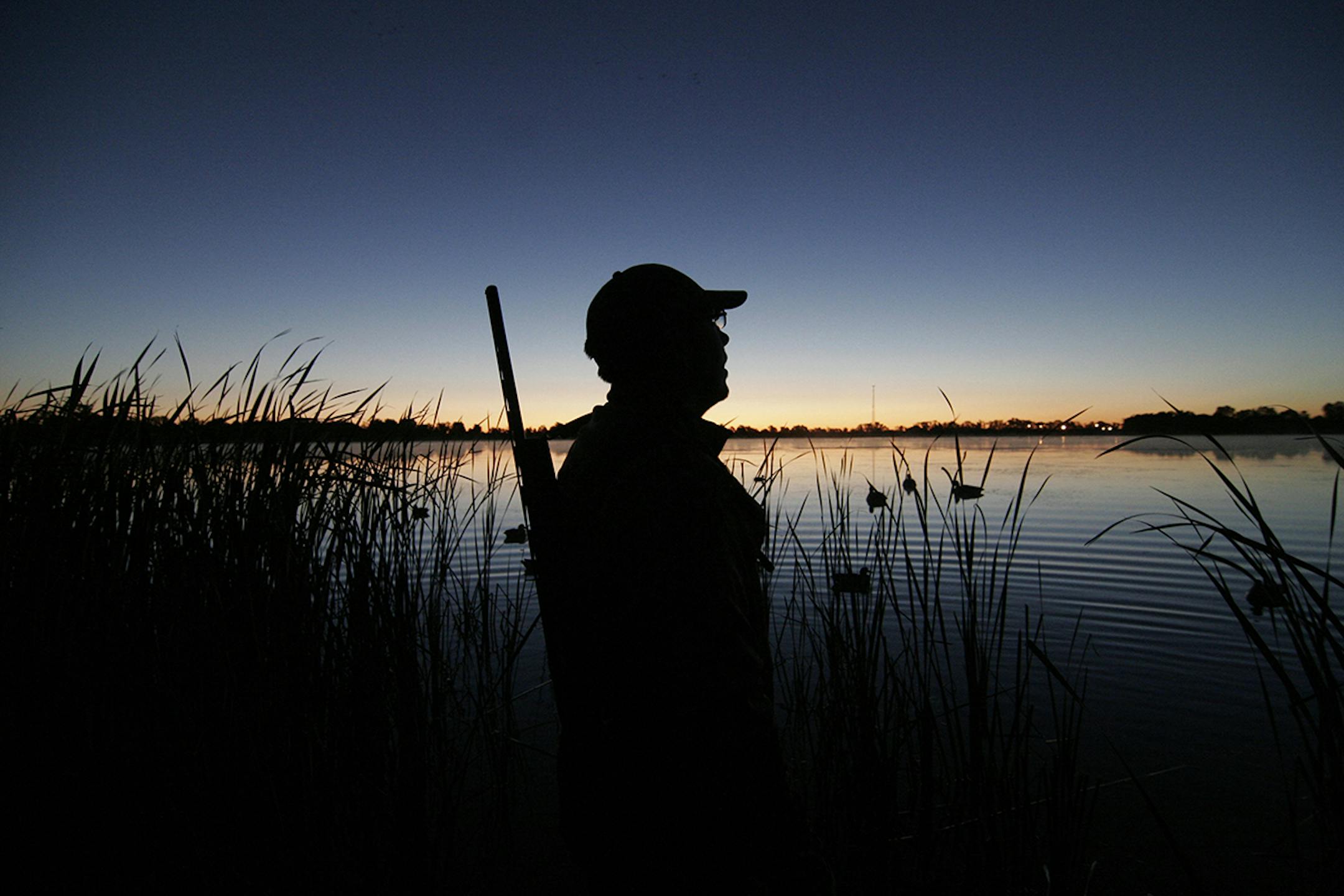
The gathering this weekend in Willmar of the hardest-working among Minnesota's Ducks Unlimited volunteers is proof that against all odds some people never give up.
Starting in the late 1880s, Little Ag followed by Big Ag followed by Big Metro Development started draining and paving this state's wetlands and shallow lakes, until what's left of these waters supports only a fraction of the ducks that once fledged here.
Yet hope beats eternal in the hearts of the DU members who will meet in their annual state convention, their hands calloused from performing the conservation work others won't, their faces weather-beaten from leaning too long into headwinds that cascade from an otherwise indifferent society.
"The gravity of the ecological situation reveals how deep is the human moral crisis," Pope John Paul II said in 1990.
No kidding.
Across Minnesota, rainwater and snowmelt that once settled gradually, and cleanly, into aquifers hundreds of feet below the Earth's surface now instead are rushed through galactic lengths of subsurface drain pipe into ditches and rivers that for all intents and purposes are ditches themselves.
Wildlife is washed out in the process, ducks being among the most noticeable, trailed by a less visible cast of hundreds — stream banks, fish habitat, invertebrates and clean drinking water among them.
Appropriate here is an ecclesiastic's admonition, because to remain a Minnesota duck hunter — whose numbers have plummeted from about 140,000 in the 1970s to 61,000 in 2016 (three-quarters of whom are DU members) — requires a true believer's faith that a brighter conservation future lies ahead, if not next year, then the next or the next.


