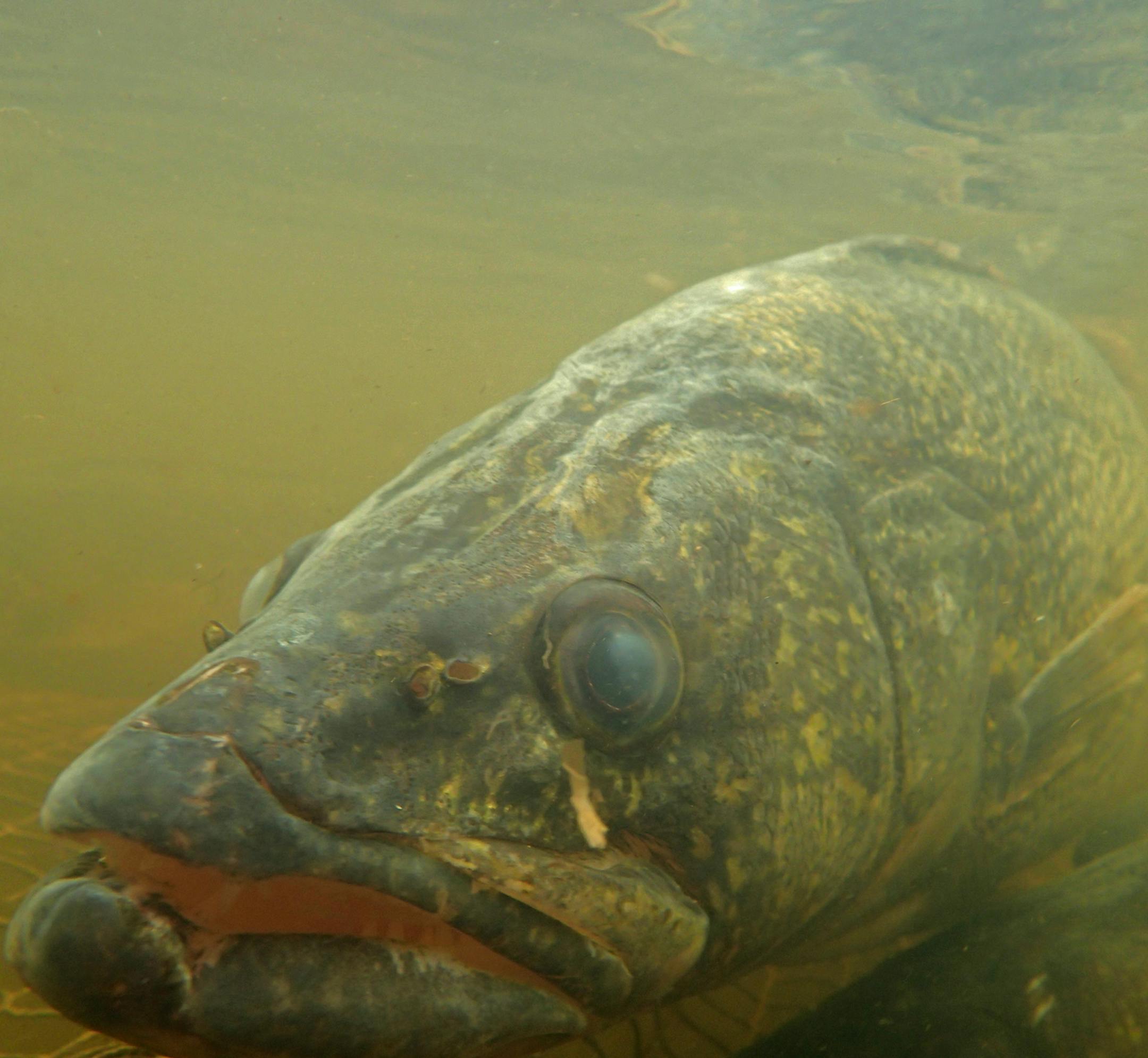
When Gov. Mark Dayton fishes Gull Lake near Brainerd on Saturday, he might catch a walleye born not of its waters but conceived instead in a bowl and hatched in a jar — a product of the complex fisheries science that underpins the state's ambitious walleye stocking effort.
Count Department of Natural Resources fisheries section employees Mike Knapp and Owen Baird as two of the program's surrogate parents.
The other day, amid a spring chill that kept most people indoors, Knapp cradled a bulbous female walleye in his arms before leaning over a plastic bowl and stripping the fish of her eggs.
As quickly, Baird towered over the bowl and squeezed a male walleye of its sperm, or milt, fertilizing the eggs.
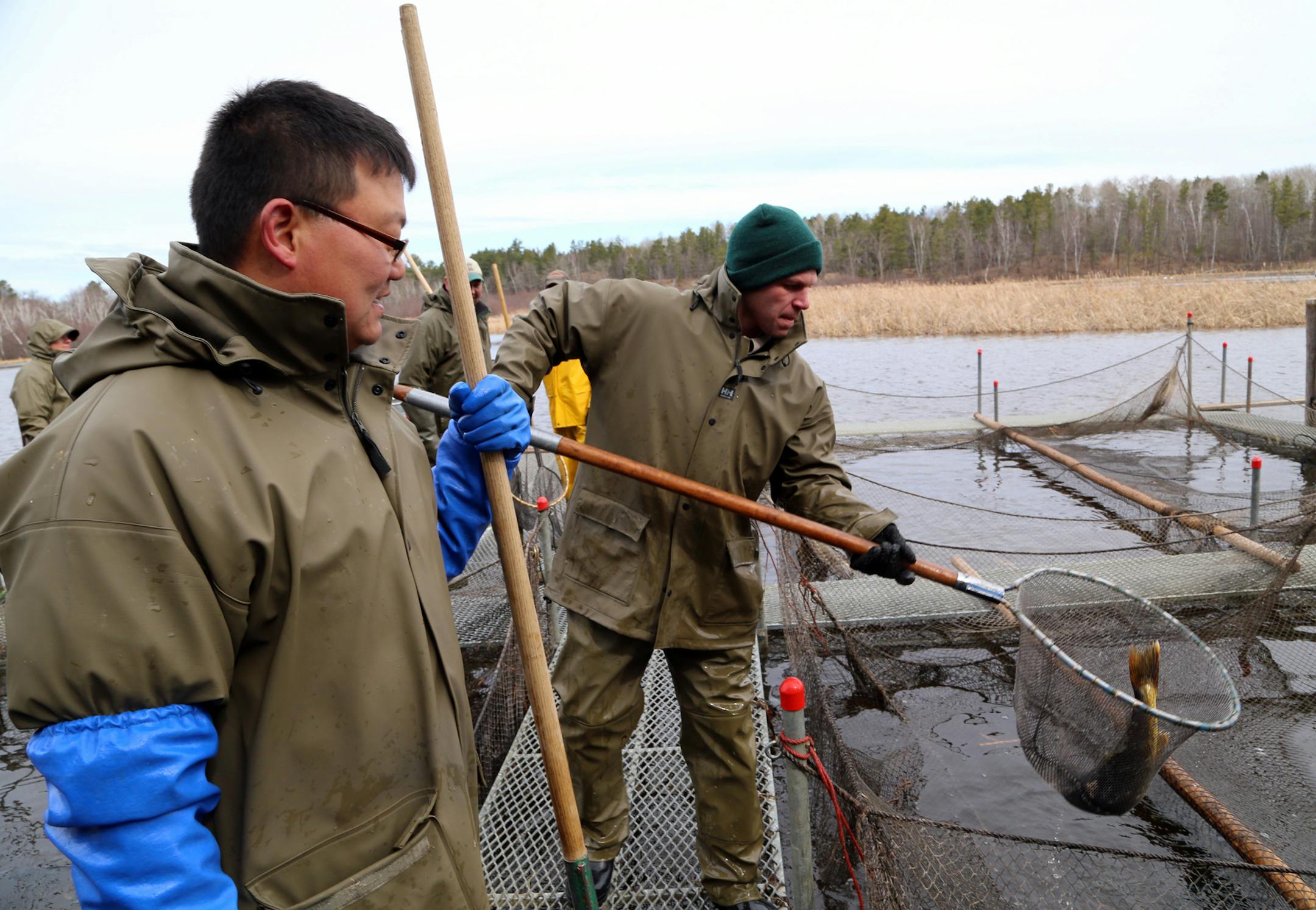
Like the other half-dozen or so workers at this DNR walleye egg collection site on the Pine River, an inlet to the Whitefish Chain of Lakes about 30 miles from Gull Lake, Knapp and Baird were layered in fleece and draped in rain suits.
While they stripped walleyes, their co-workers shuffled atop metal catwalks surrounding large, walleye-filled trap nets. Some brandished long dip nets, dividing male and female fish into separate holding areas.
This and similar egg collection and fertilization efforts at eight DNR sites statewide are the first steps in the state's nearly $4 million annual walleye stocking program. The effort is critical to maintaining what is widely believed to be the nation's best walleye fishery, even though an estimated 85 percent of the nearly 4 million pounds of walleyes caught by Minnesota anglers each year are wild.
"It's in everyone's interest to help natural production if we can," said Brainerd area fisheries supervisor Marc Bacigalupi. "Supplemental stocking reduces the possible adverse effects of periodic poor natural reproduction."