

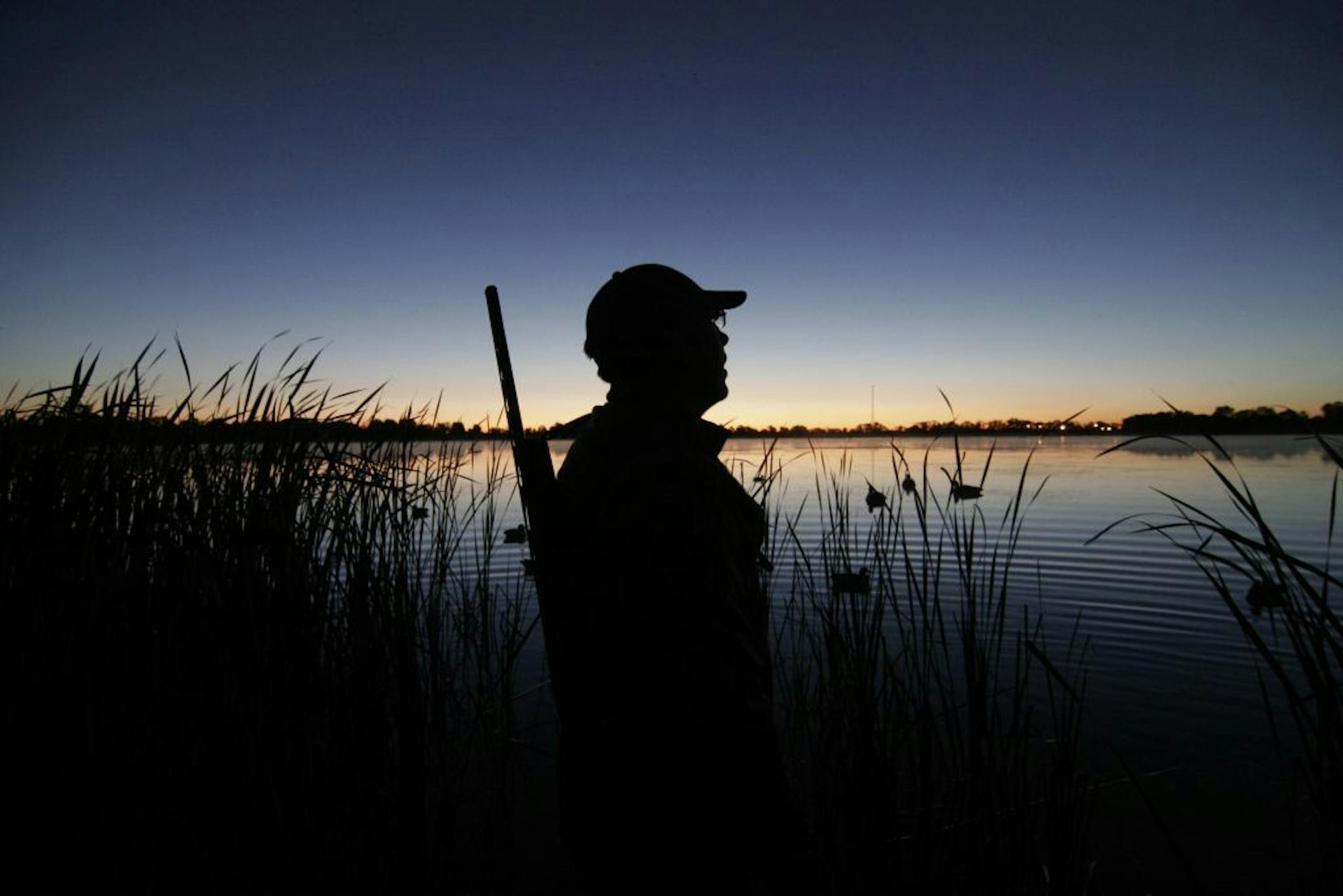
Almost faster than the losses can be documented, the nation's most important grasslands are disappearing, a sad fact that will bring scores of conservationists and important national policymakers to Bismarck, N.D., next week for a prairie "summit" and a hunting heritage meeting.
Separately, near Spicer, Minn., a similar confab will be held in a few weeks to further implement the planned multibillion dollar, 25-year effort to save Minnesota's remaining native prairies and restore some of its lost grasslands and wetlands.
Gatherings of this type aren't front-page news. But each represents the complex and important machinery of modern-day conservation, in which government agencies join with various wildlife and environment groups to determine how to retain critical components of the nation's landscape, and with them remnant portions of our natural heritage and outdoor traditions.
If you're a hunter or bird watcher, these meetings are important for obvious reasons. But even those who are otherwise uninterested in the outdoors should pay attention, because how our lands are managed ultimately is reflected in the cleanliness of our lakes and rivers, and the health and abundance of our aquifers.
And if you're a taxpayer in some form or fashion, you're helping to fund these meetings. So understanding their intent while attempting to gauge their effectiveness is warranted.
Here's a breakdown of the three gatherings:
• Prairie Summit, Bismarck, Monday-Tuesday: Organized by Ducks Unlimited (DU), and co-sponsored by other wildlife groups, this gathering will be attended by about 80 conservationists, including high-level decisionmakers such as U.S. Fish and Wildlife Service Director Dan Ashe.
"We'll focus primarily on North Dakota and South Dakota, where grassland losses are increasing while the 'buying power' we have to conserve these areas is decreasing due to high commodity prices," said Jim Ringelman, director of conservation programs for DU's Great Plains regional office in Bismarck.


