

Minnesota state parks -- sideswiped by the state government shutdown last summer and a reservation-system snafu this spring -- appear now on the cusp of summer to have regained their footing, with campsite bookings in advance of Memorial Day on a par with, or exceeding, those of recent years.
Long-range challenges remain to Minnesota's system of 75 state parks and recreation areas, eight waysides and 58 state forest campgrounds and day-use areas.
Urbanization, an aging population and a more culturally diverse state continue to test park planners, who worry that too few youngsters nowadays are participating in nature-based recreation, including camping and park visiting.
Nationwide, money for parks is also tight. A year ago, for example, California announced plans to shutter 70 of its 279 state parks because of budget cuts -- closures that might be averted somewhat, but nonetheless are indicative of the expense and demographic pressures affecting parks throughout the country.
By comparison, Minnesota state parks are thriving.
Construction of a new visitor center at Tettegouche State Park on the North Shore begins this summer, a joint project between the Minnesota Department of Transportation and the Department of Natural Resources. When completed, the 11,000-square-foot structure will be a highway rest area open 24 hours daily and a park visitor center with interpretive exhibits -- joining other, equally impressive park centers along Lake Superior at Gooseberry Falls, Split Rock Lighthouse and Grand Portage.
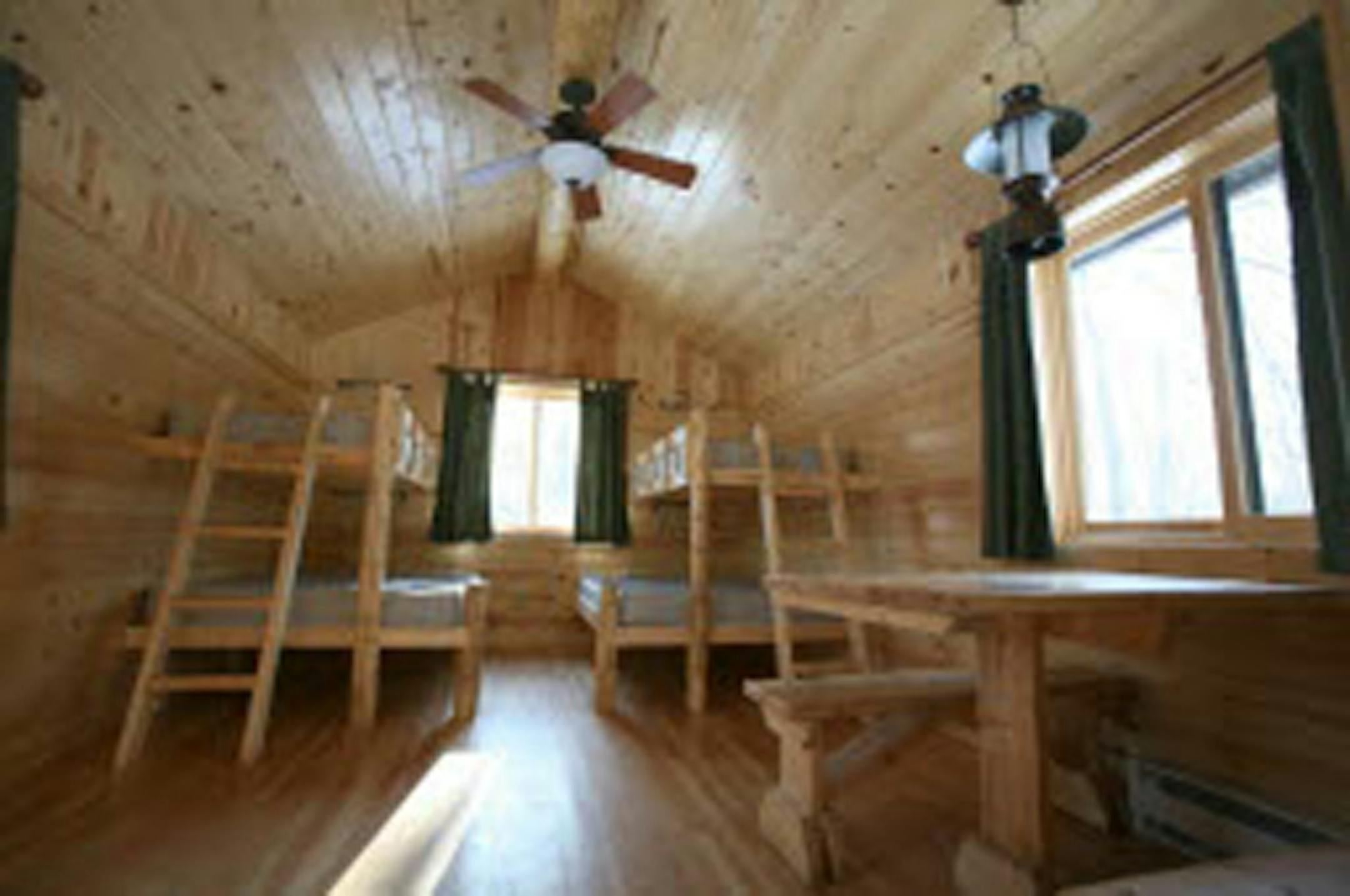
Also scheduled this summer is construction of four camper cabins at Soudan Underground Mine State Park, adjacent to new Lake Vermilion State Park in northeast Minnesota. Roads in the new park also will be built, as will a day-use area on Armstrong Bay of Lake Vermilion, including docks and a picnic area.
Camper cabins have proven popular among park visitors statewide, particularly among people new to camping who don't own tents or other gear. The cabins are among a broad range of innovations administrators are undertaking to keep state parks relevant.


