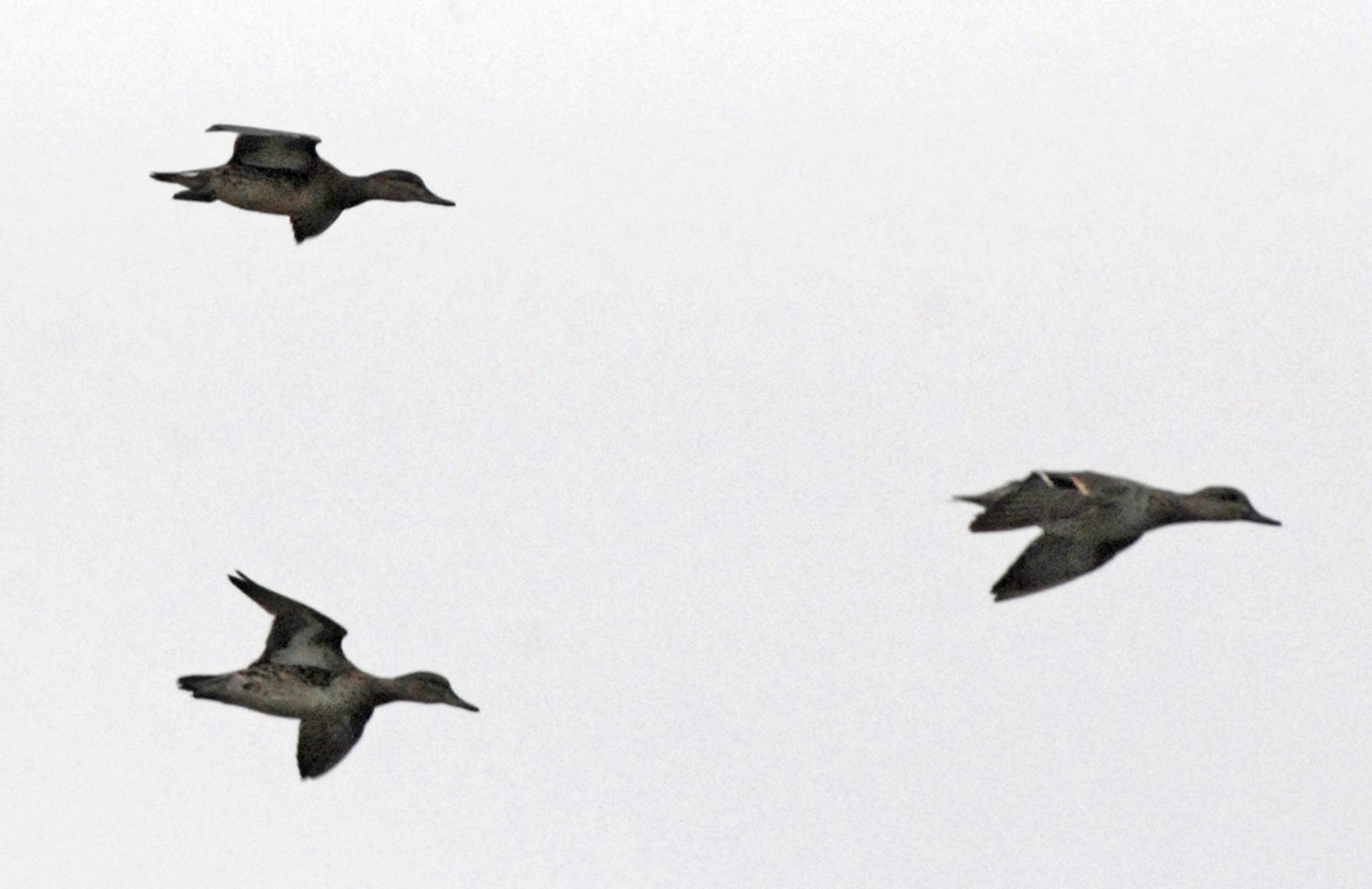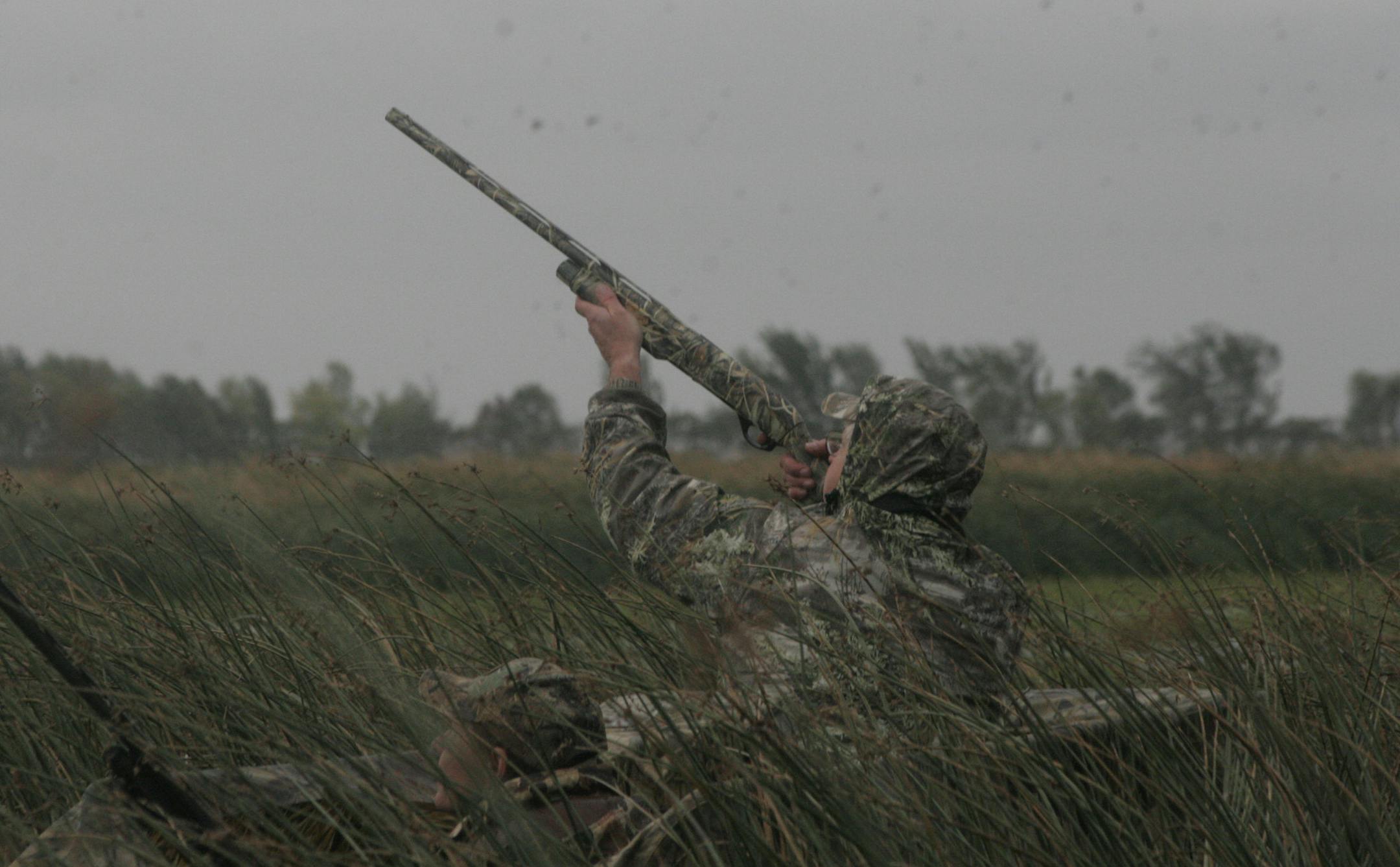
A week ago, on the eve of the waterfowl opener, I wrote a column saying, in part, that the duck season was opening too early and that the limits were too high.
But the column's broader point, perhaps too broadly made, was twofold, specifically:
• By not educating the state's waterfowlers more fully and publicly about the many problems facing the state's ducks, and enjoining them in the fight to conserve these birds, and instead pandering (my word) to them with an early opener and higher limits, particularly for wood ducks and hen mallards, Department of Natural Resources Commissioner Tom Landwehr and Deputy Commissioner Dave Schad — ardent waterfowlers both — were doing both ducks and duck hunters a disservice.
• This disservice is compounded, I said, "especially now, during the greatest U.S. farmland conversion since the tractor replaced the horse" when the commissioner and assistant commissioner don't "stand tall and very publicly against the onslaught of degradation that has overwhelmed Minnesota wetlands and wetland wildlife, not least ducks."
Some thoughts:
Regardless whether a given waterfowler believes the early opener and higher limits will lower the state's breeding populations of wood ducks, teal and mallards over time (I believe they will; others argue they won't), virtually no one in the state sees a bright future for ducks, at least not in the near and intermediate terms, given habitat losses, the rampant use of pesticides and other farmland chemicals, and the effects of urban sprawl and other development.
A lot of habitat work is being accomplished in the state by the DNR, the U.S. Fish and Wildlife Service, and Ducks Unlimited, etc., thanks largely to passage of the Legacy Act in 2008 and establishment of the Wildlife Heritage Fund.
But few expect this work, important as it is, will counterbalance entirely the habitat losses and degradation the state has experienced, and will continue to experience.