

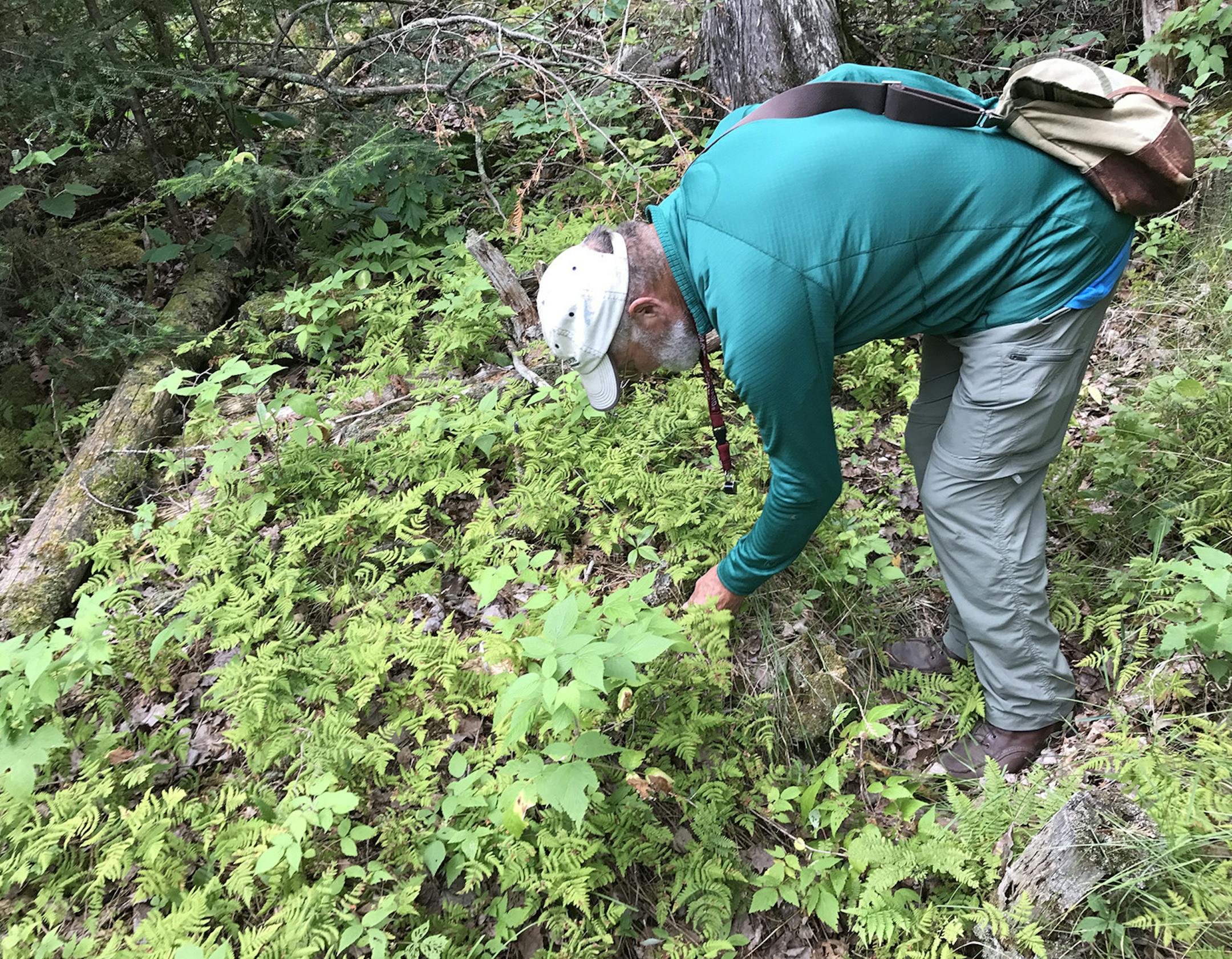
When the Minnesota Phenology Network holds its eighth annual gathering in a couple of weeks in Lake Itasca, Minn., very little about the natural world will go unnoticed. Ducks and geese flying overhead will be spotted and their numbers and species recorded, as will the last leaves to drop from the region's maples and aspens.
An interesting bunch, phenologists, about whom most people know nothing — including the thousands of Minnesotans who in autumn scatter into the hinterlands, their eyes peeled for antler rubs on trees made by buck whitetails or the cut cornfields favored by mallards hoping to fatten their migratory reserves.
These pursuers of game, aka hunters, also are phenologists, or "students of cyclic and seasonal natural phenomena, especially in relation to climate and plant and animal life."
They just don't realize it.
John Latimer of Grand Rapids, Minn., was introduced to phenology in 1979 while delivering mail on a rural route that covered some 100 miles of byways and back roads.
"I had a woman on my route who was in her 70s when I first met her, and she would greet me by saying something like, 'I saw my first robin today,' " Latimer said. "She had a journal of every deer hunt she made since the 1950s, and she recorded everything about every hunt: wind direction, temperature, whether there was snow and how much, and which direction deer came from on which days."
Inspired, Latimer began recording his own seasonal observations about birds, trees and mammals, at first making notes on a calendar he brought with him on his mail route. Ten years later he abandoned the calendar scribbling for more formal recordings.
Now he has 47,000 such notations.


