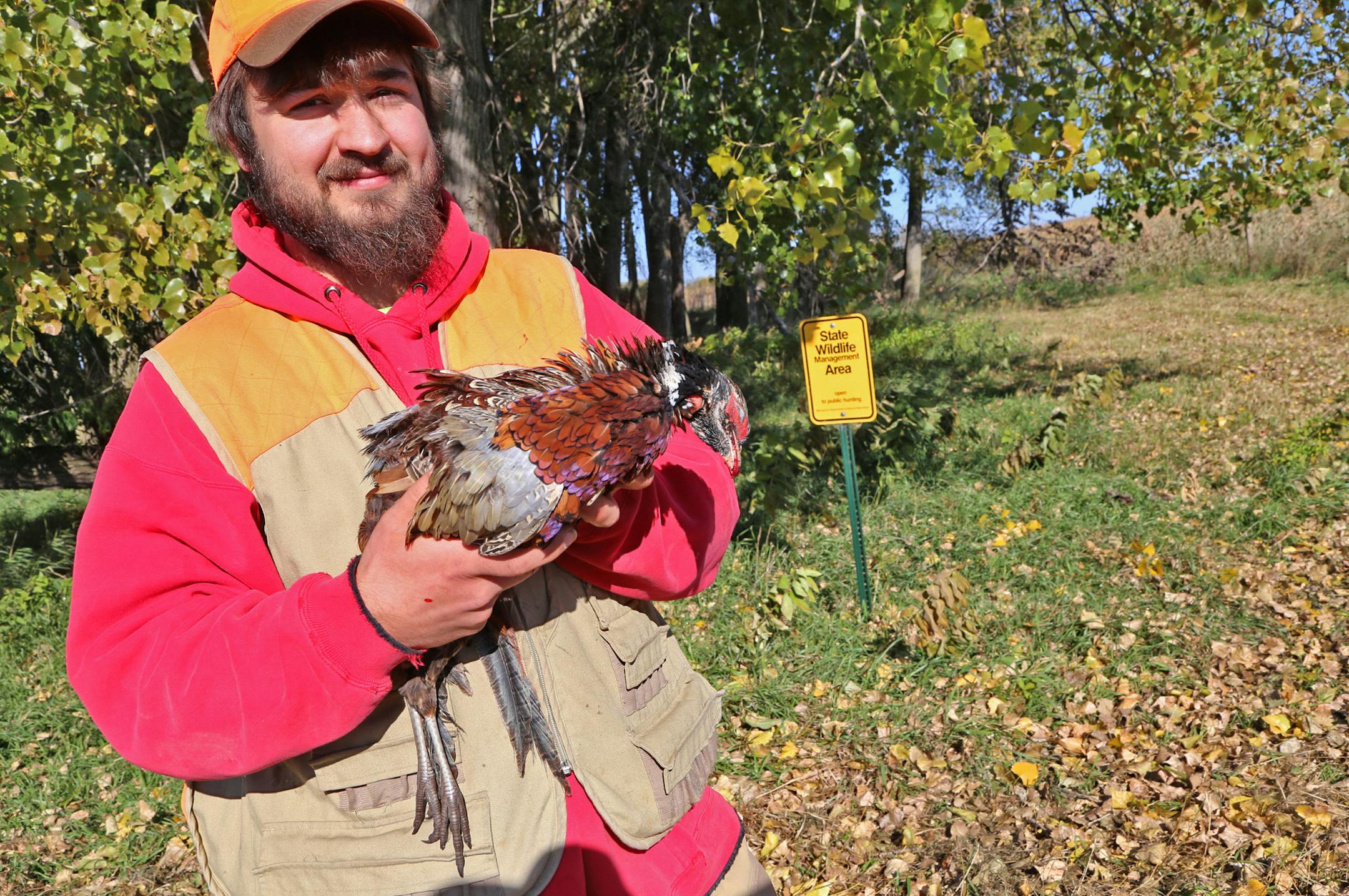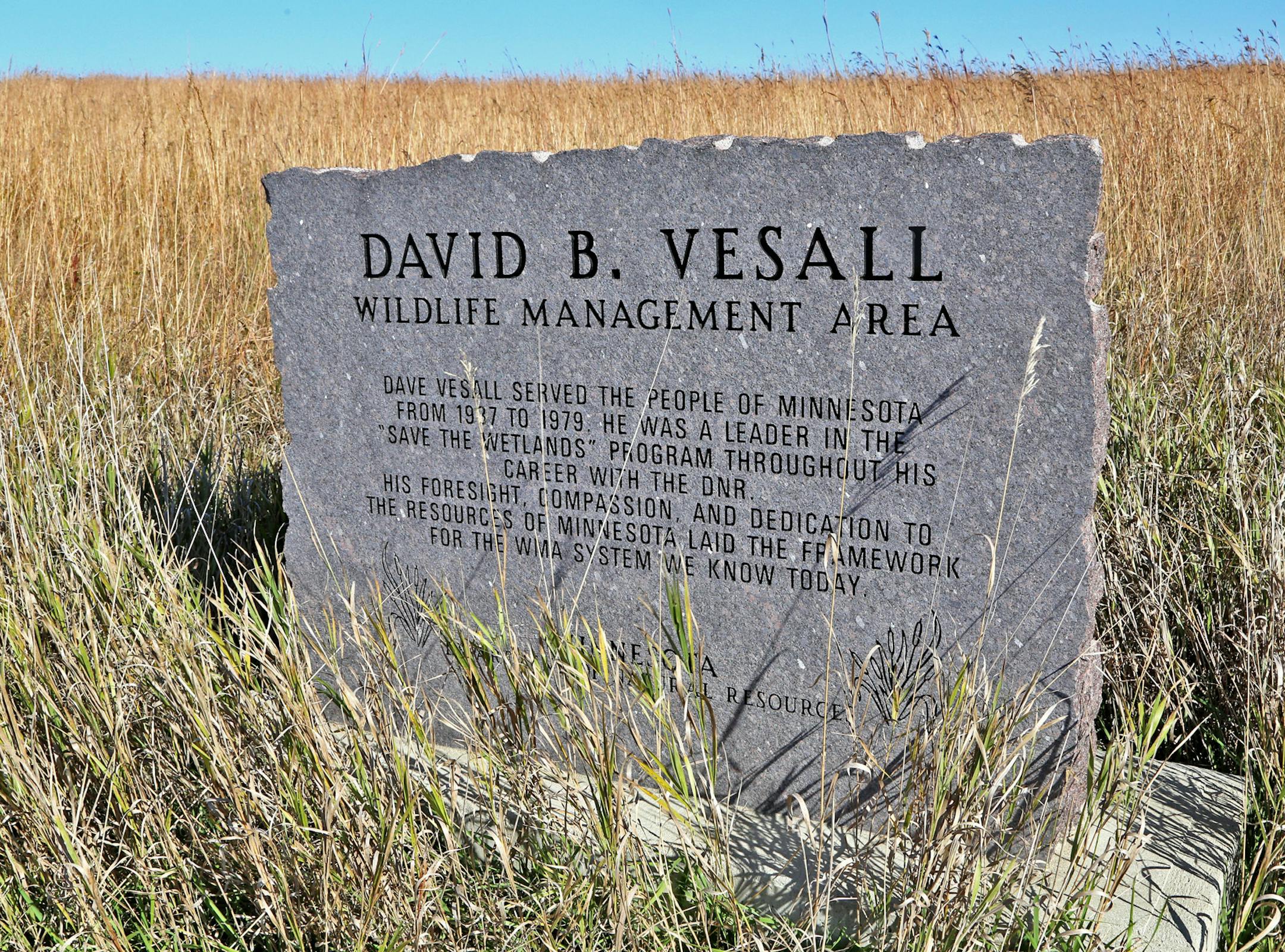
LAC QUI PARLE COUNTY – 7:20 a.m. Arriving at Salt Lake Wildlife Management Area (WMA) more than an hour and a half before shooting time, Denny Lien of Lake Elmo, Will Smith of Willmar and I saw two other pickups on site.
This management area is large, and can handle more than a few parties of ringneck hunters. But safety is a concern, as is the frustration that can attend being cut off by inconsiderate hunters racing to the "best" cover. Communication is important in these instances, and after a brief conversation with the hunters who arrived ahead of us, we parked a good distance away, planning at the 9 a.m. opening bell to head west, while they tromped east.
We had stayed in Granite Falls on Friday night, and brought our breakfast with us in a cooler. Over more than four decades of starting the pheasant season on public land, we've attempted when possible to eat breakfast in small-town cafes before heading out. But this year we worried that such a dalliance might delay our arrival at Salt Lake, so we brought cereal, milk, orange juice, grapes, bananas and coffee with us, and as the sun gathered along the eastern horizon, we dined in my truck, thinking pheasants.
• • •
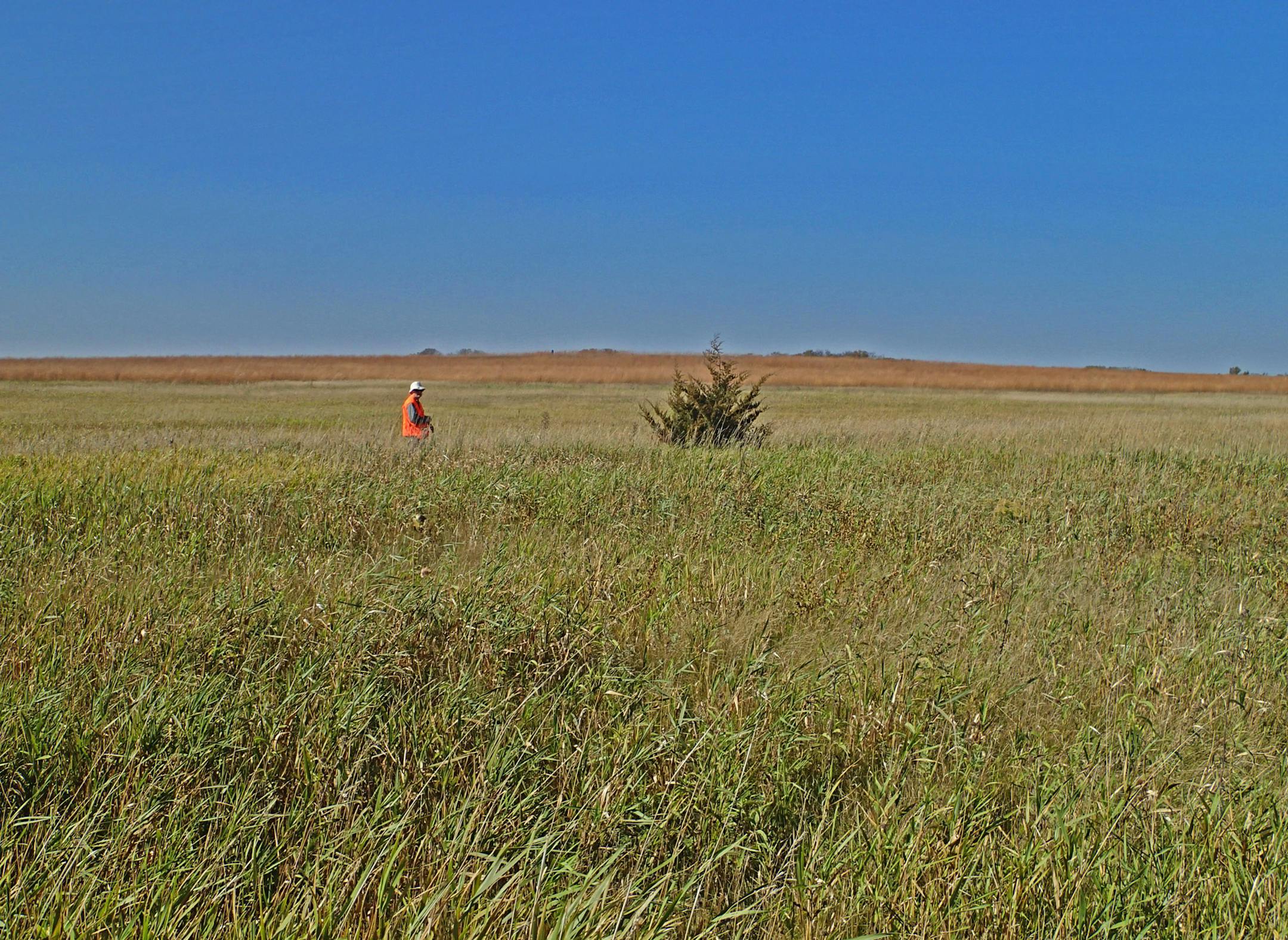
9 a.m. Two of my two Labs, Allie and Griz, were hunting with us, as was Willy's golden retriever, Rufus. Casting this trio ahead, we stepped into good-looking cover; thick enough to hide birds, yet not impenetrable, either to us or the dogs.
Ever hopeful, we assumed birds would arise before us. The morning was peerless, with a cloudless sky and only a slight southerly breeze. We were fully aware that June rains dumped on this part of Minnesota (as they did elsewhere), and that many pheasant nests were wiped out. Neither did it escape us that, while many farmers have harvested their beans in recent days, most of the state's corn is still in the fields. None of this worked in our favor. Still, the three of us have killed a lot of birds on opening days on public land, and we figured we would again.
• • •
10:45 a.m. We put no birds to wing on our first walk, and drove to another wildlife management area about 5 miles away. This was an out-of-the-way WMA we thought might have been overlooked by other hunters.