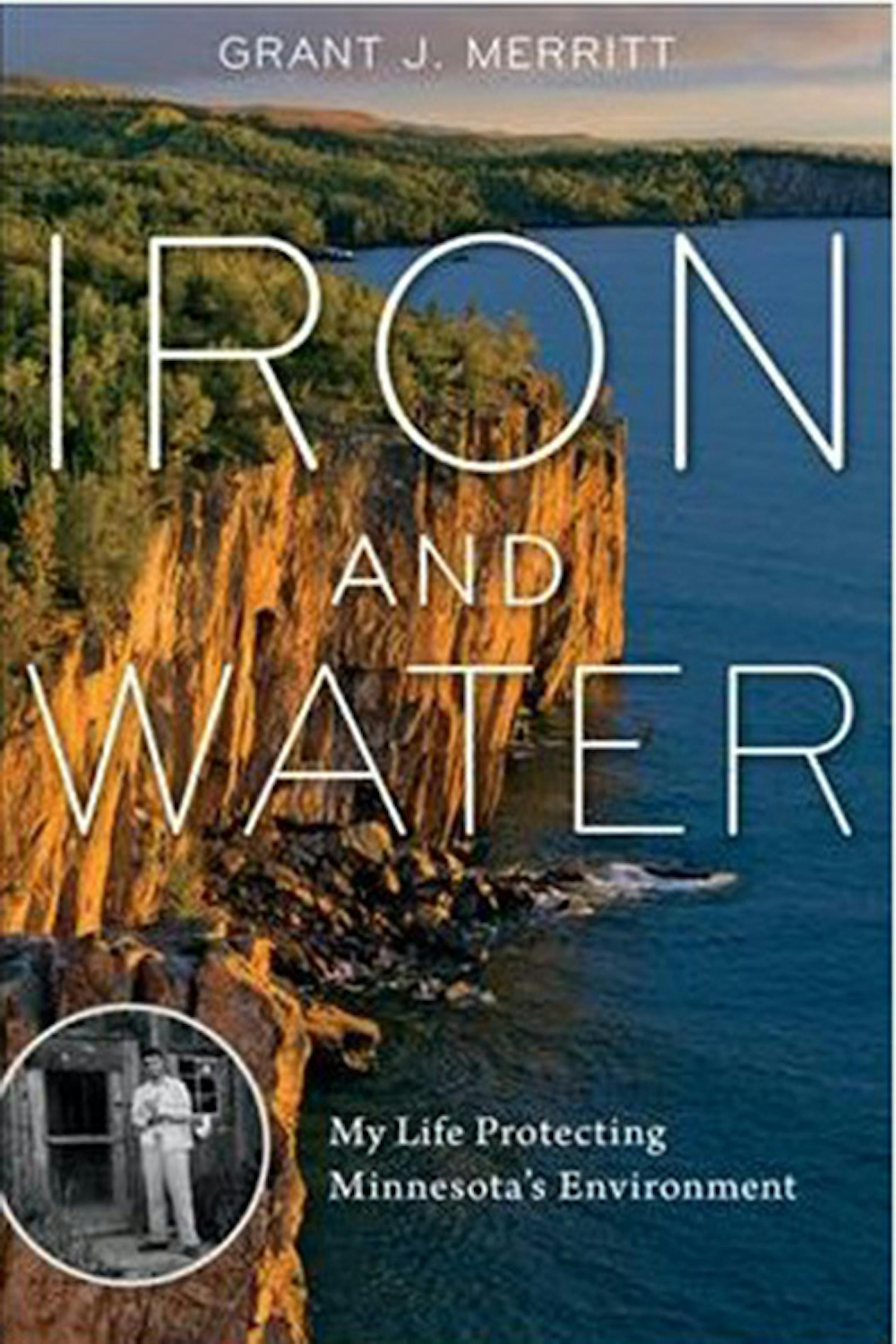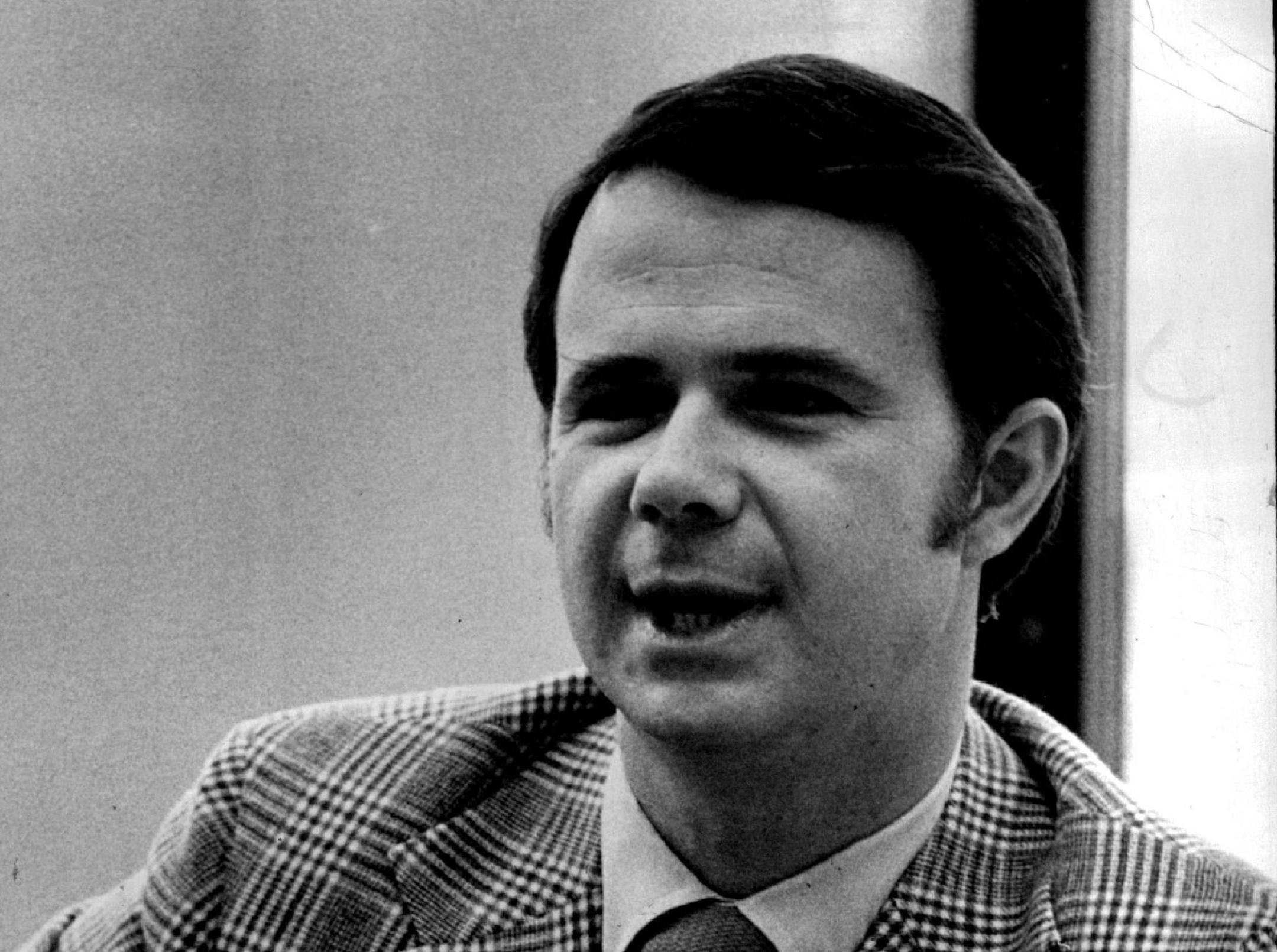
The progeny of northern Minnesota prospectors and miners, Grant Merritt would seem an unlikely choice to head the Minnesota Pollution Control Agency (MPCA) — and an even more unlikely foe of Reserve Mining Co., as he was in the 1970s.
Merritt's recent book, "Iron and Water: My Life Protecting Minnesota's Environment" (University of Minnesota Press, 198 pages, $24.95), details with barely a nod to irony how a third-generation Duluth resident with family ties to the discovery of northern Minnesota's vast iron ore deposits helped put an end to Reserve's daily dumping of 67,000 tons of taconite tailing waste into Lake Superior.
Appointed MPCA commissioner March 1, 1971, by Gov. Wendell Anderson, Merritt served as the state's chief environment protector until June 25, 1975.
"My uncle, who lived in East Beaver Bay, on the North Shore, had come to me in 1967 and told me that Reserve was not only dumping 67,000 tons of tailings into the lake every day, but that they were also dumping oily rags and chemicals," Merritt said.
At the time, Merritt, now 84, was a lawyer and "aspiring politician" living in New Hope. A graduate years earlier of the University of Minnesota Duluth, he had worked for a while in Silver Bay, where he had seen the tailings being dumped.
"At the time, I wasn't worried about it, because the state permit said the tailings couldn't be dumped outside a 9-mile zone in Lake Superior," Merritt said. "I would find out later the state never enforced the permit."
Now Minnesota is poised again — possibly — to seal agreements that would allow vast new mining operations in the state's far north, and Merritt's perspective on the possibilities, and potential problems, of such undertakings is unique among living Minnesotans.
His message: Proceed with caution.