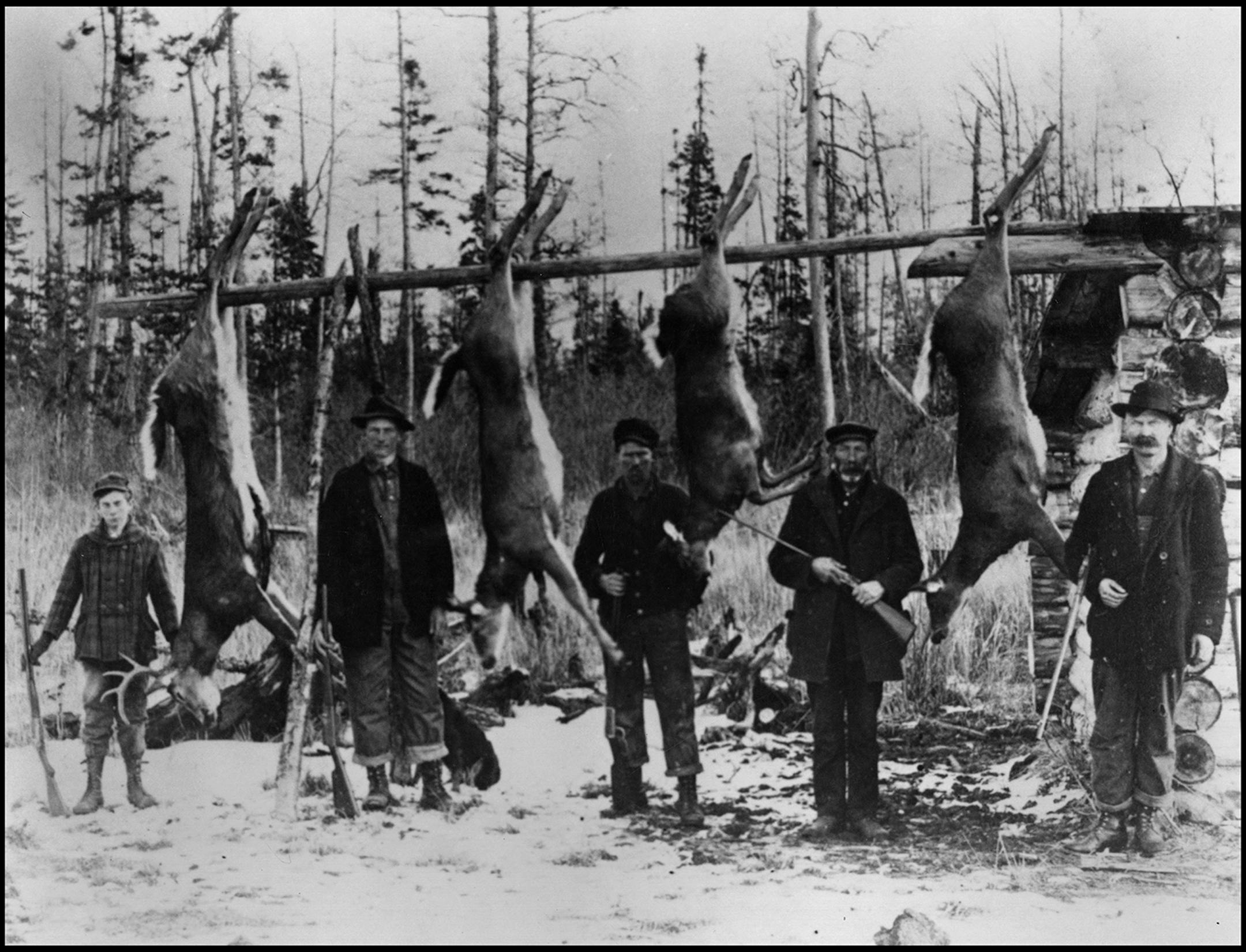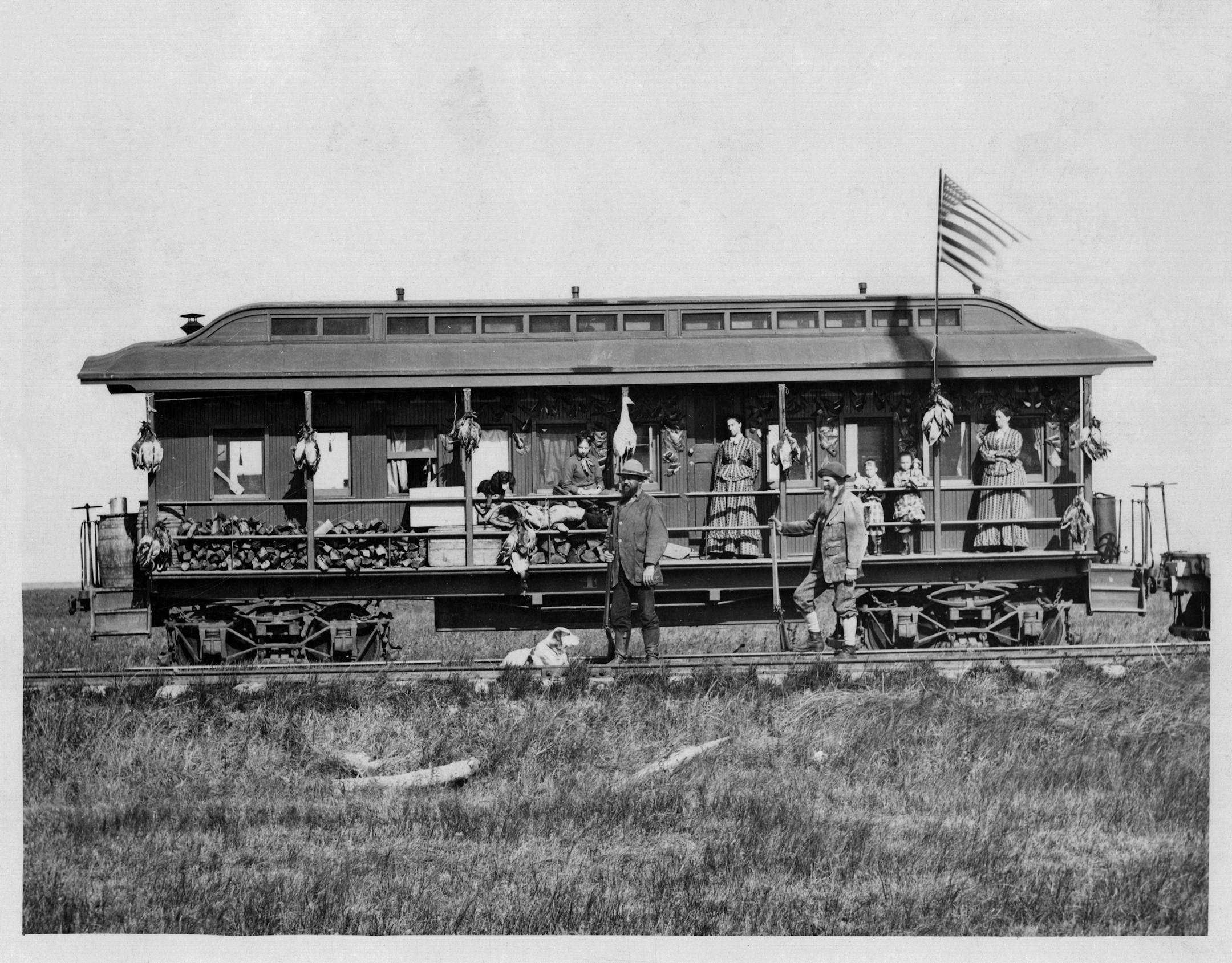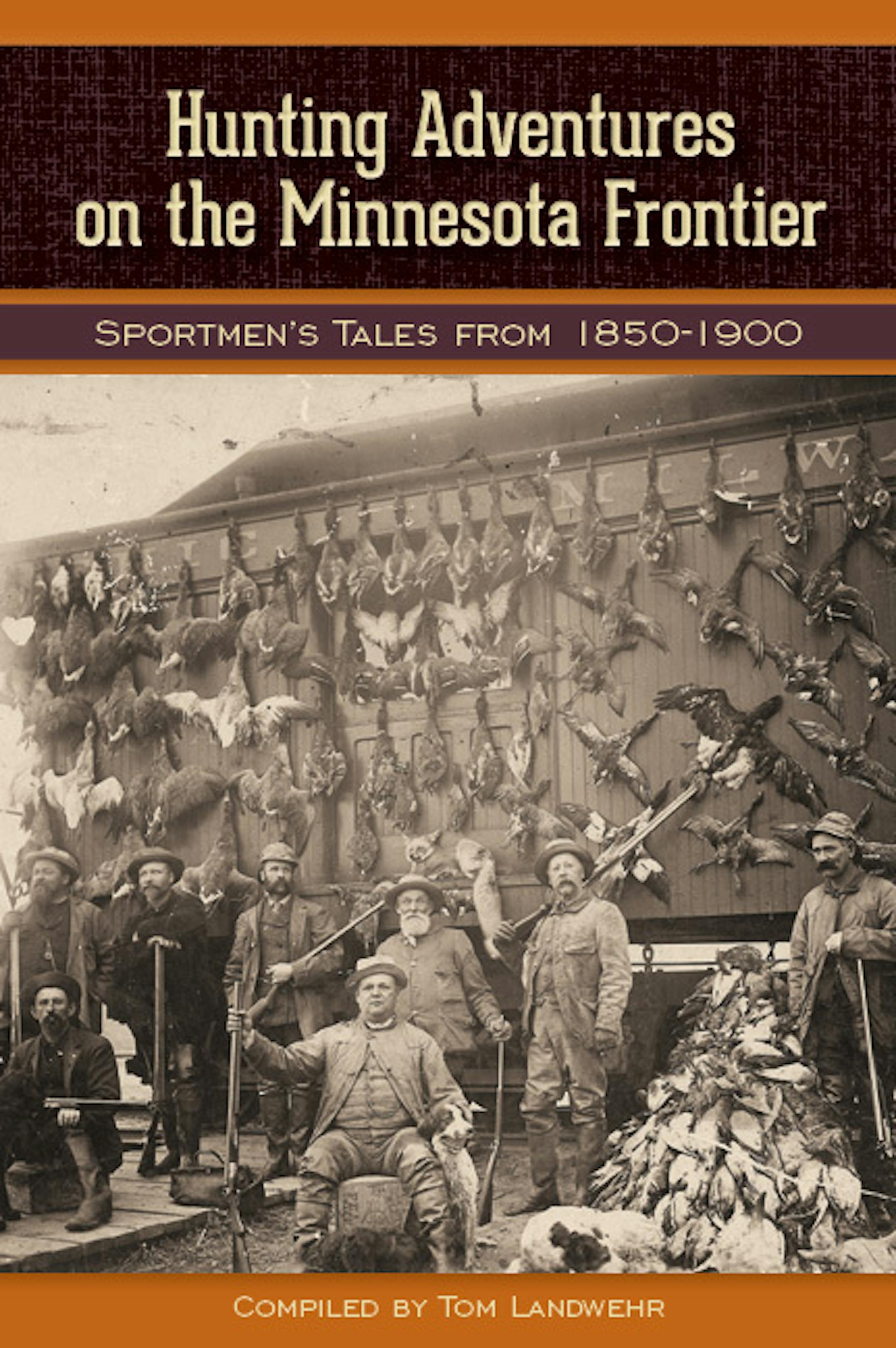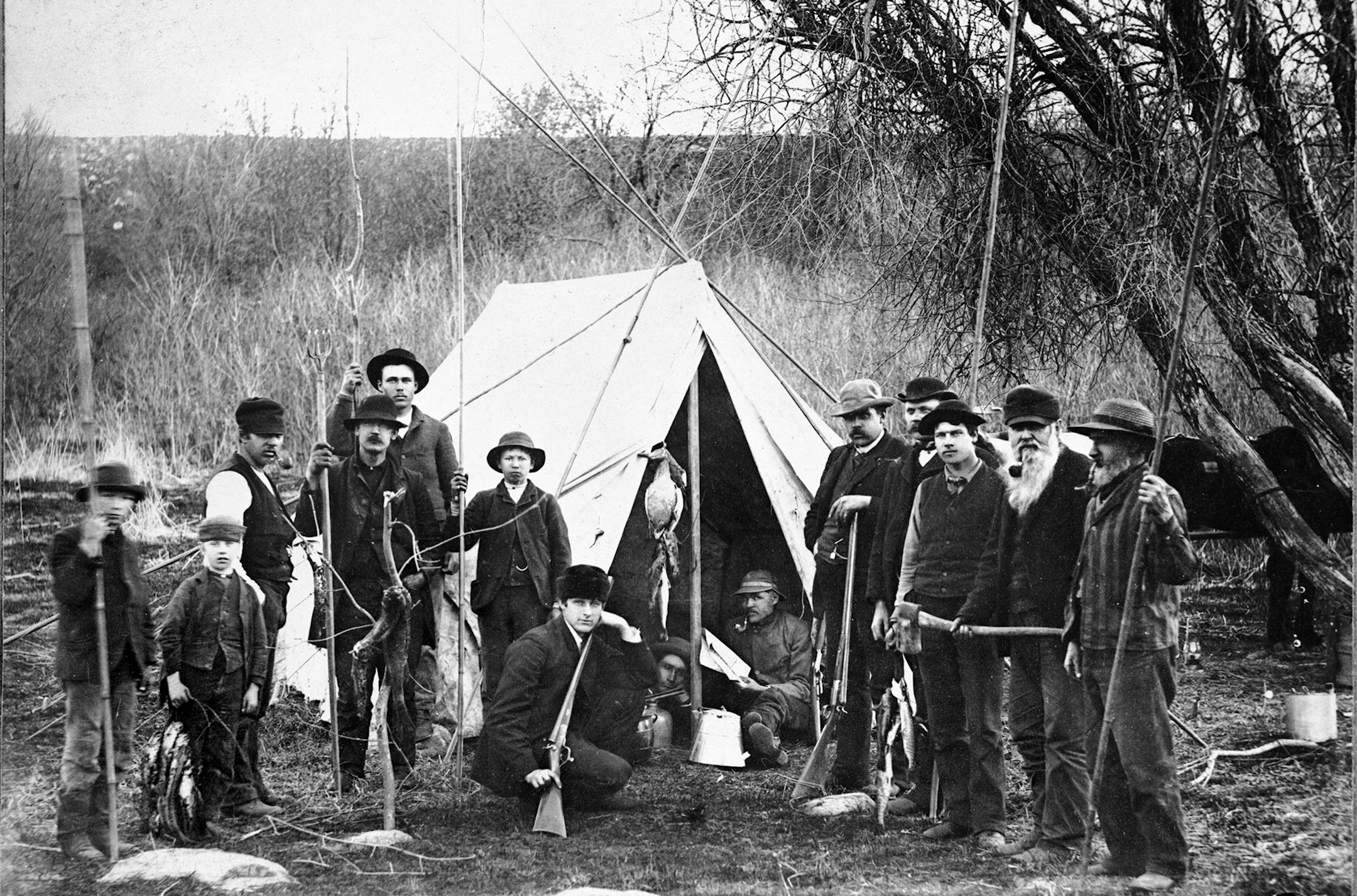
Freed earlier this year of his duties as Department of Natural Resources commissioner under Gov. Mark Dayton, Tom Landwehr has published a book about the great wealth of fish and game that resided in Minnesota between the years 1850 and 1900.
But more broadly, his nearly 200-page volume, "Hunting Adventures on the Minnesota Frontier," is about changes that occurred to the state's landscape and therefore its people during that period, the summation of which gives the reader great pause about the nature and pace of future transformations that await us.
Thirty years in the making, Landwehr's book was begun in 1989 when the author, then a DNR wildlife biologist, lived in Northfield and in his spare time visited the Carleton College library. There, in microfiche archives, he found Minnesota hunting stories published in the mid- to late 1800s in a magazine called Forest and Stream.
These recollections told of a seemingly otherworldly time in which the state's fish and wildlife and their habitats lay largely untouched except by a few adventurous sportsmen. So Landwehr began assembling the tales in book form.
"Then I got busy," he said. "It wasn't until I was recently between jobs, after I was DNR commissioner and before I became executive director of the Campaign to Save the Boundary Waters, that I finally got the book done."
With each page, Landwehr's fascination with the subject becomes the reader's. Hunters encounter flocks of ducks so numerous they blacken the sky, grouse so thick they give way to daily harvests in the hundreds, and elk herds that are pursued near what is now Willmar. Each story tells of a time of unlimited bounty and, for those who pursued it, unmatched adventure.
That this occurred during a period of volcanic upheaval in Minnesota compounds the era's intrigue. Statehood was achieved in 1858. The Civil War, to which Minnesota supplied troops, roiled the nation from 1861 to 1865. And the U.S.-Dakota War of 1862 would write the state's earliest chapters in blood, the stain of which remains.
But perhaps no change was as telling as this: In 1850, Minnesota's population was 6,000. By 1900, it was 1.3 million.