WINDOM, MINN.
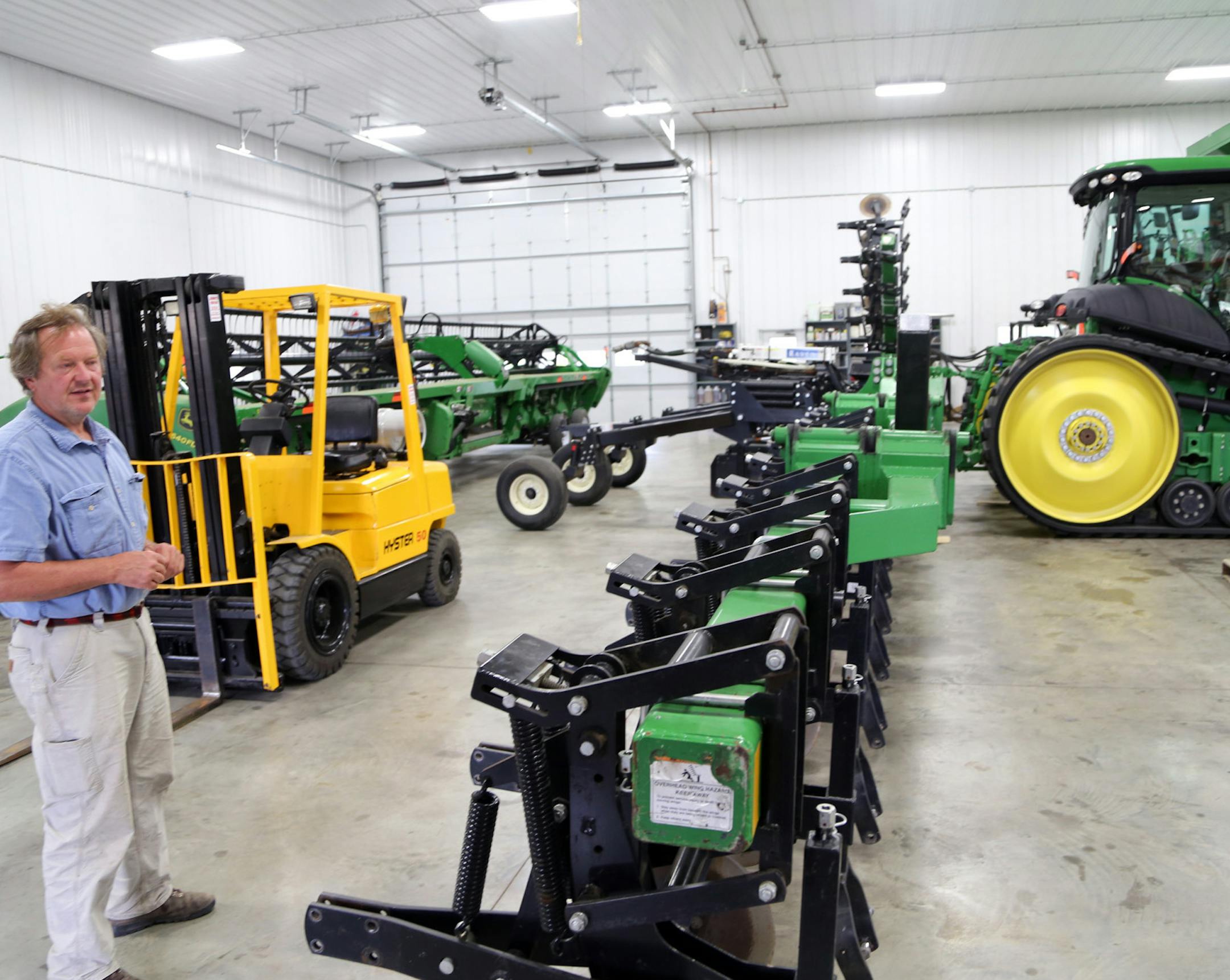
Though raised on the farm where he lives today, amid thousands of acres of corn and soybeans, Tony Thompson is anything but a homebody. ¶ Educated over many winters at Montana State University, where he earned an agronomy degree, Thompson, 58, remains steadfastly curious about the world at large, especially about farms and farming, and he travels widely to observe varying agricultural productions.
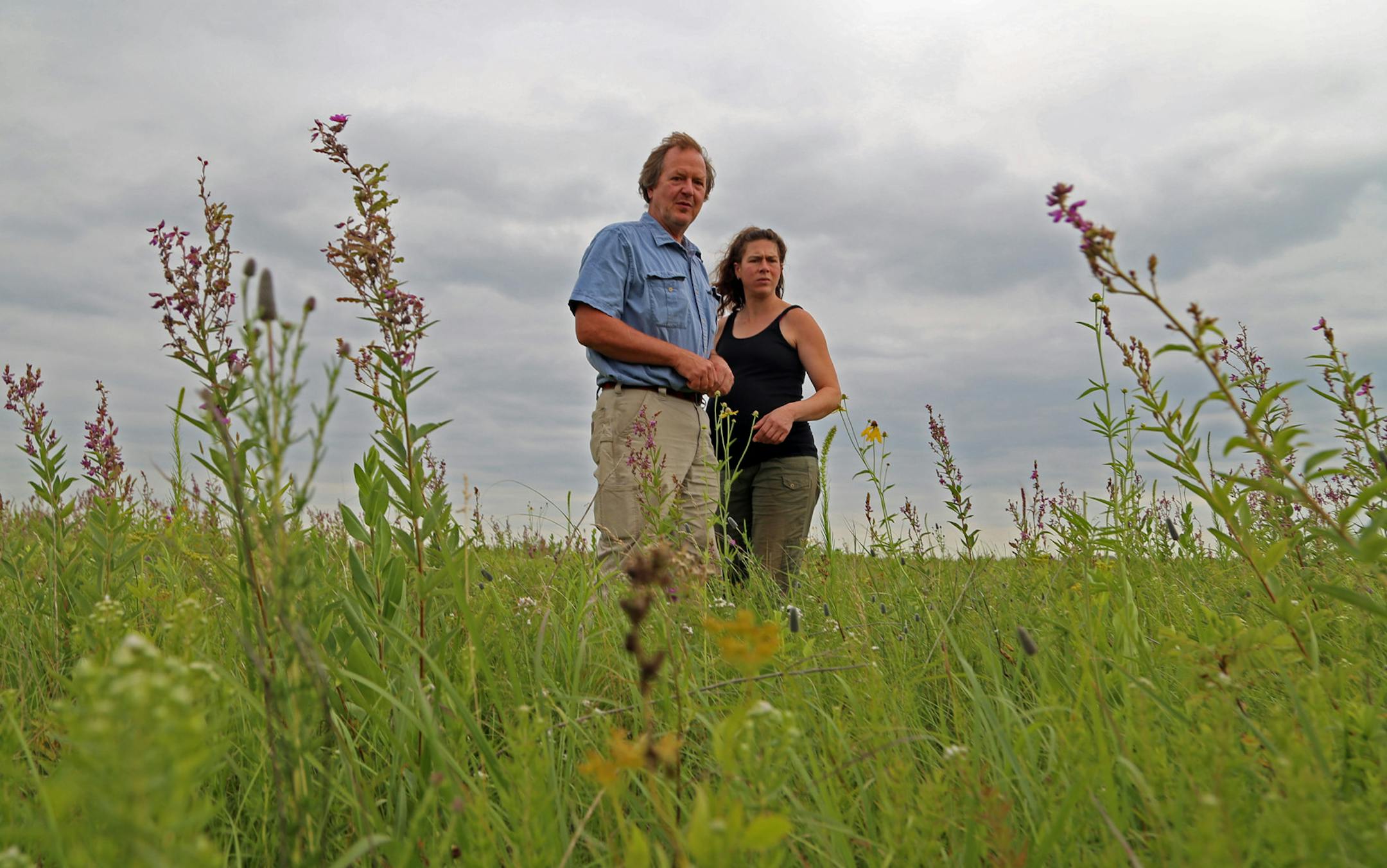
In what some might consider a contradiction, Thompson is both a wildlife lover and a conservationist, while remaining unapologetic about being a row-crop farmer — and as such, is part of the industrial agricultural machine that blankets the Midwest in nearly endless fields of corn and soybeans.
"There are tradeoffs to everything," he said, "and to feed the number of people we need to feed, at the prices people want to pay, we need every farmer of all times to be engaged: small, large, organic and conventional large-scale."
As Thompson spoke the other day, he tooled around his farm not far from Windom, in the southwest part of the state. His cropland is largely flat, black and fertile, and through his pickup's bug-covered windshield, corn and soybeans shimmered beneath a midday sun.
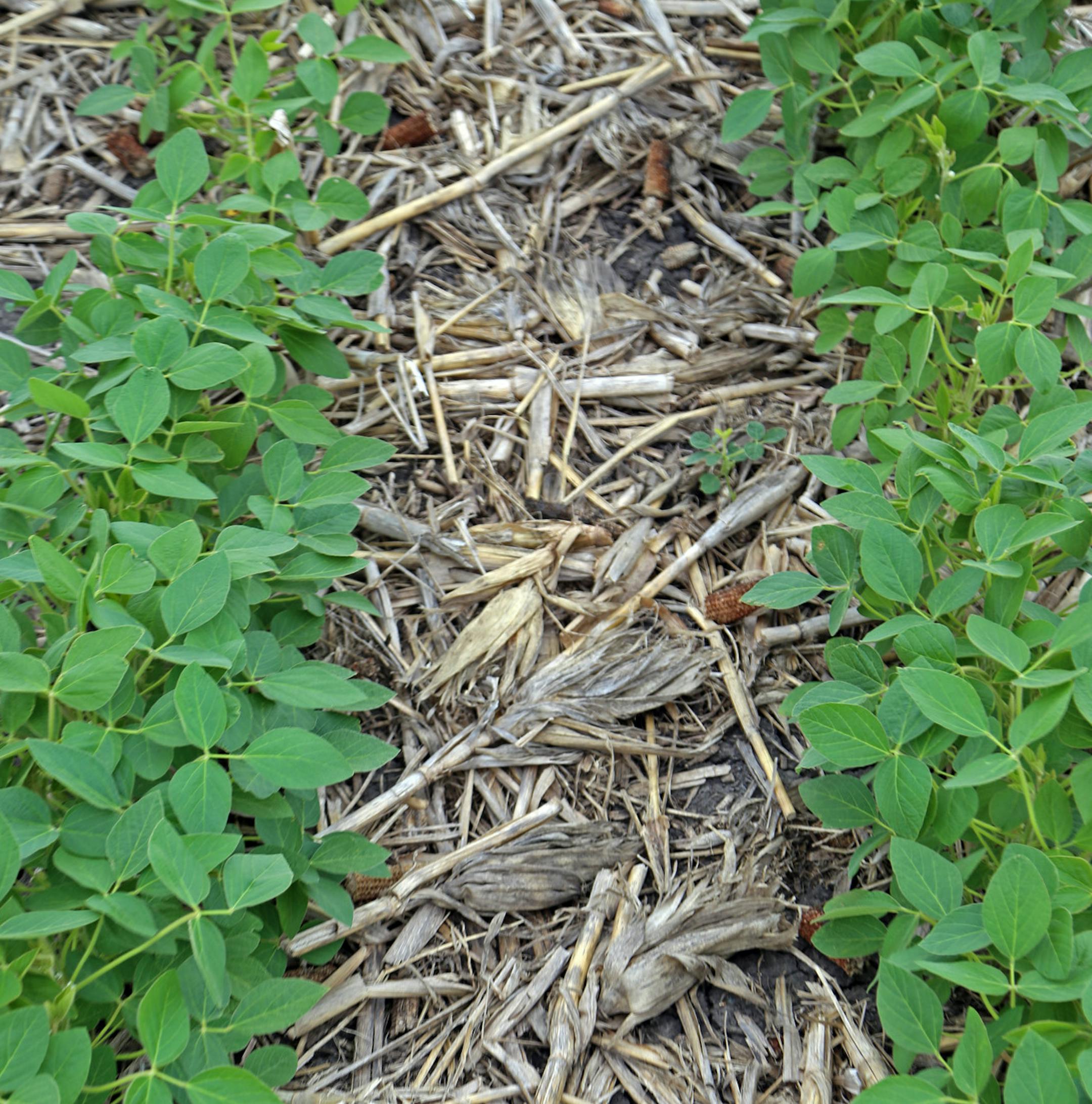
Like much of the rest of the state, this part of Minnesota was inundated with rain in June. But runoff from Thompson's 2,800 acres was minimal, because his crops are ridge-tilled, meaning residue from last year's crop lies between the planted rows, gathering and filtering rain where it falls.
Compared to conventional tillage, ridge-tilling requires less fertilizer and reduces erosion. Thompson began the practice in 1990.
"Ridge tillage is also as cost-efficient as conventional tillage," he said.