EVERGLADES CITY, FLA. – Ned Small let his dog outside well before sunup, when the tide was still falling. This was hours before the airboat people in town untied their noisy craft and loaded them with flamingo-shirted tourists. The dog is a cocker spaniel, which you don't see a lot of anymore. Small uses him for hunting snipe in winter, and while we fished, he would pass the good time in Small's house, which stands on stilts alongside a canal of tannic-colored water.
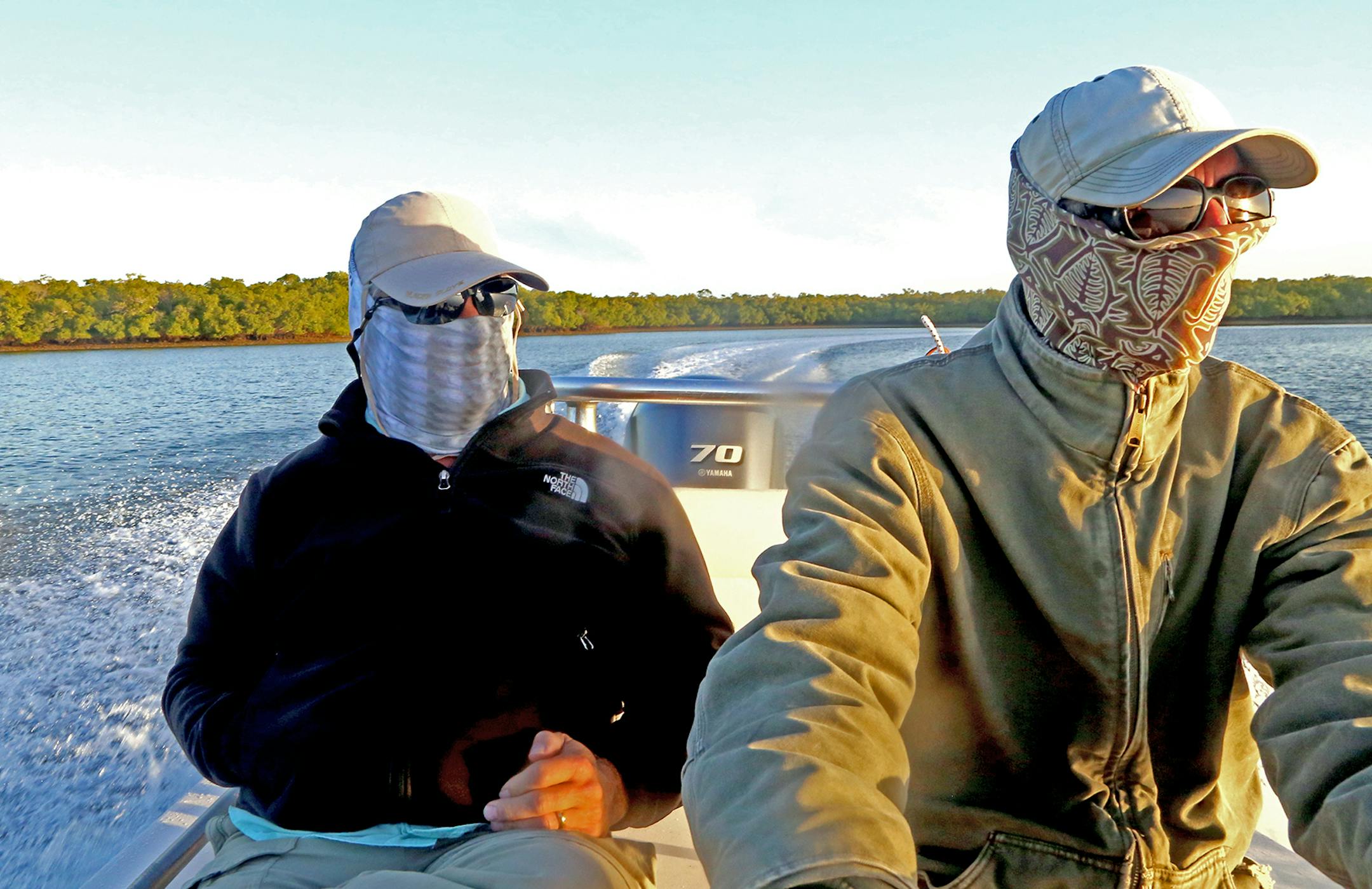
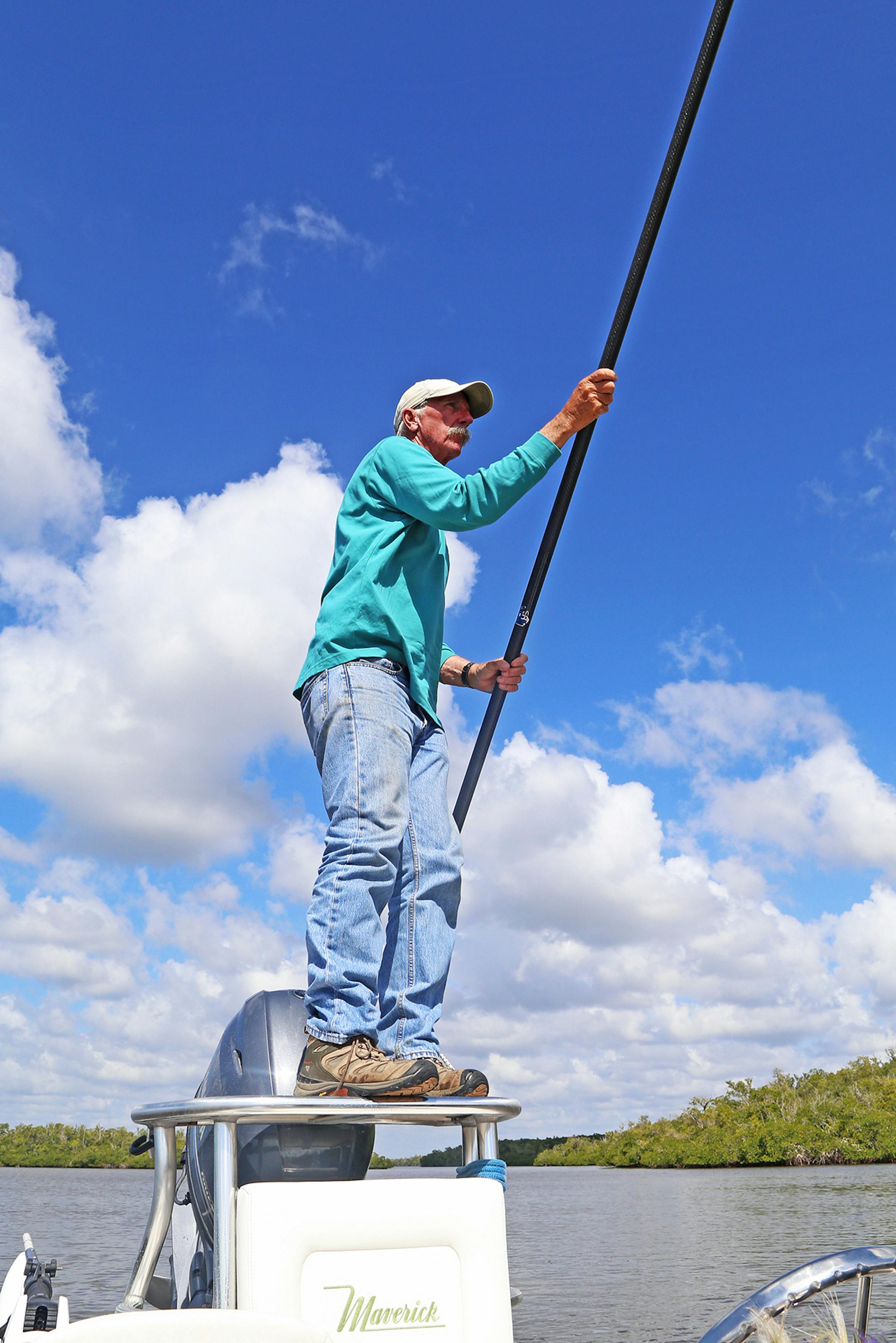
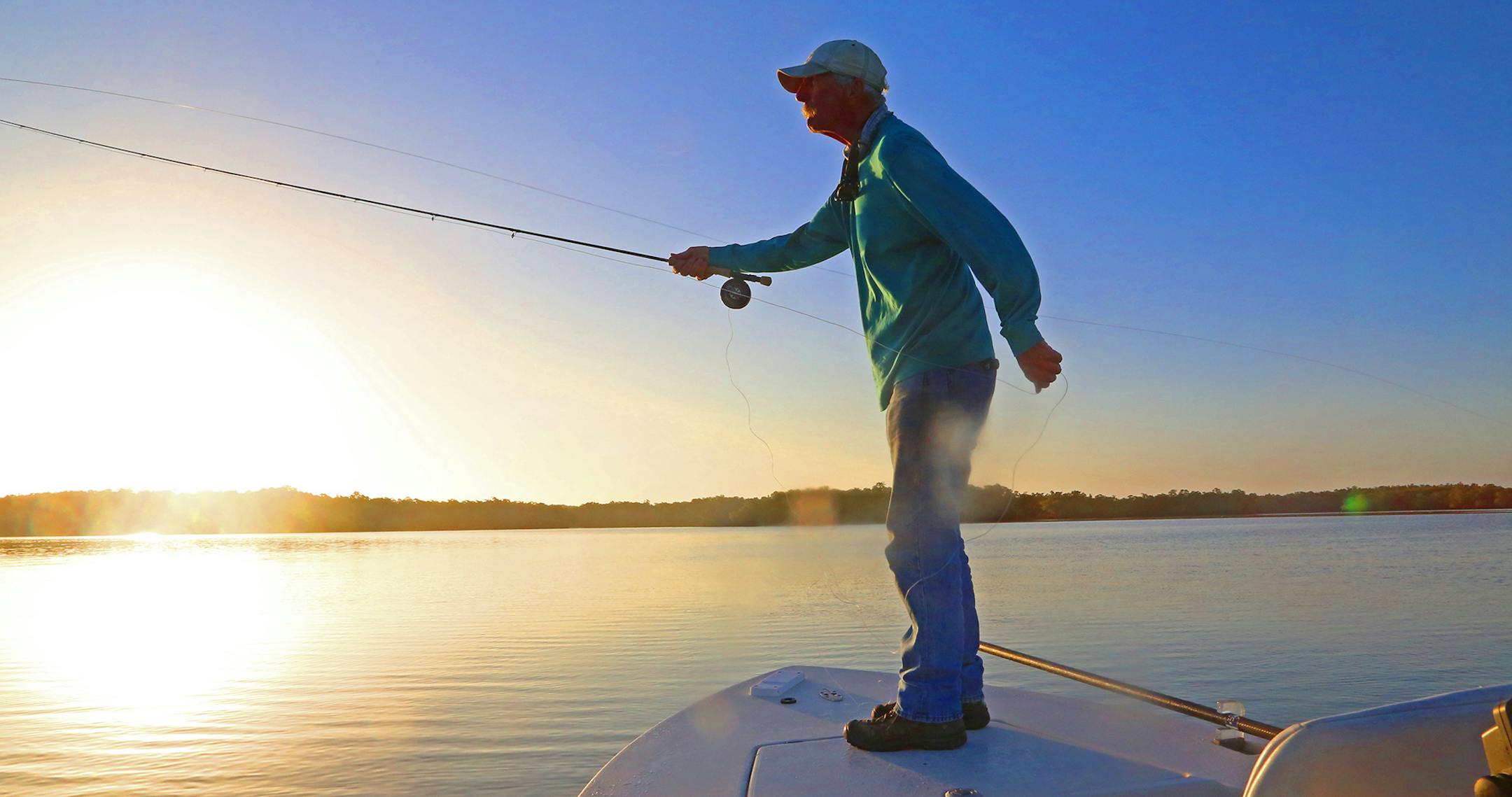
Like most people in Florida, Small isn't originally from these parts, though 20 years of fishing the Everglades back country, as it's called, should certify him as some kind of Floridian. He has a 17-foot skiff with a tunnel hull, a bow-casting platform, a poling stand, and a 70-horse outboard swinging from the transom. When pressed into service at low tide, the neat little craft draws only a foot or so of water.
"I'm available," Small said when I called last week to ask if he could take me into the 10,000 Islands area of the Everglades to fly fish for snook and redfish. "Be here early, 6:30."
My friend Steve Vilks would join me, and we pulled up to Small's house as the eastern sky fused crimson to midnight blue. The day would be largely cloudless. Already pelicans were on the wing, looking for breakfast, and to a visitor from the north, the dank air bore a confusion of scents and the promise of summer. Small launched his skiff, and soon we idled past stone-crab boats, clapboard restaurants whose cantilevered porches hung over water, and the coffee-drinking captains of the still-silent airboats.
Small leaned against the throttle of his skiff and put distance between us and the hard ground of Everglades City.
"There'll be some snook around, and redfish," he said. "But the winter's been cold down here, the water cool and the fishing only fair."
For a century and more, Florida has been at war with itself over the Everglades. When the Spanish arrived in the early 1500s, the Calusa and Tequesta tribes, and later the Seminoles, were settled here, mostly at river mouths. At the time, the Everglades covered about 11,000 square miles, twice what they do now, and claimed as their source the Kissimmee River, which ambled and meandered slowly about 100 miles between Lake Kissimmee to the north and giant Lake Okeechobee.
Beginning in the middle part of the last century, opportunistic Florida politicians conspired with Congress to straighten and channelize the Kissimmee, following an already well-developed but ultimately wrong-headed Florida tradition of attempting to control water that proves uncontrollable. Still, the Kissimmee was cut from its original 103-mile length to 56 miles, destroying many of its vast adjacent wetlands, ponds and river grasses, all of which teemed with wildlife.