YELLOW MEDICINE COUNTY
Like many of today's successful farmers, Doug Albin hunts, fishes, is well-educated, well-informed, highly motivated ...
And has a conservation bent.
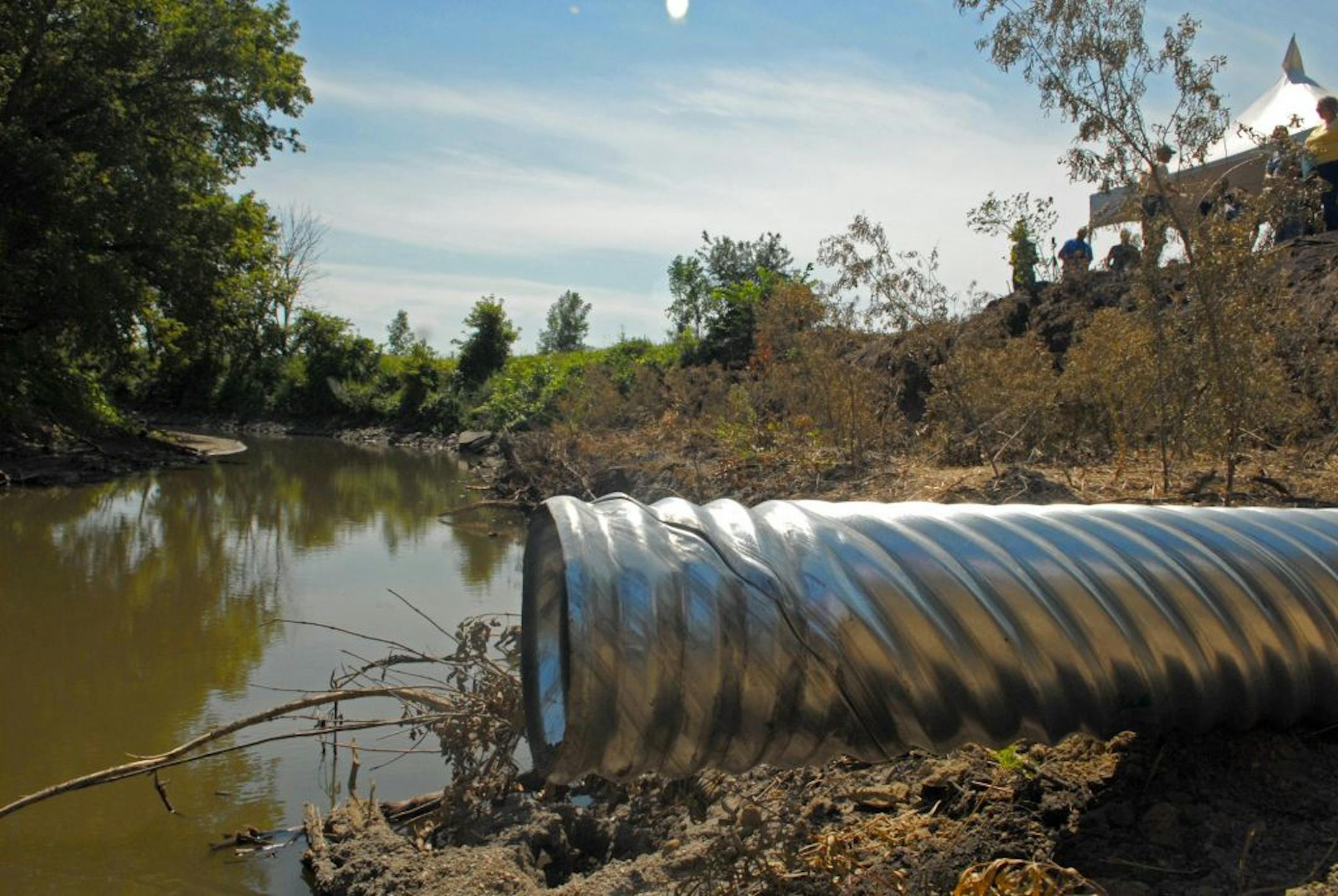
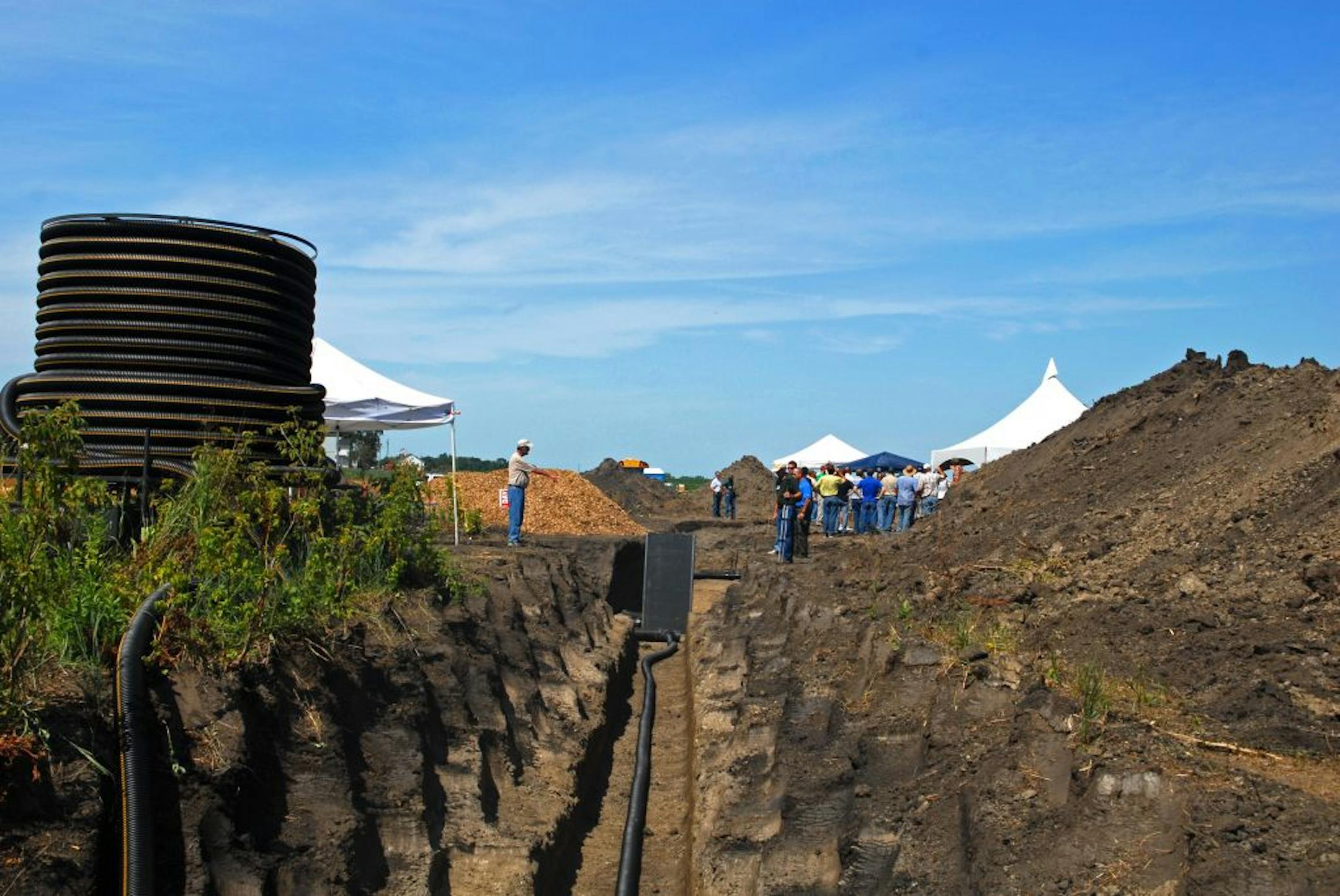
Last week, on a parcel of the 1,200 acres he farms in this western Minnesota county, a throng a few score strong gathered to see firsthand some of the latest technologies developed to remove nitrate from farmland runoff that Albin drains through subsurface tiles.
Attendees of a two-day "conservation drainage" workshop also learned during a field trip to Albin's farm about ways to stabilize stream banks and reduce sloughing of those lands into rivers, which in Minnesota too often destroys fish and other aquatic habitat and impairs river navigation.
Like many Minnesota farmers, Albin knows well tiling's benefit to crop yields. Shedding surface water by tiling not only allows quicker access to fields for planting and harvest, it minimizes the chances crops will be flooded.
But widespread drain tiling can and often does harm the environment, sometimes creating downstream bounce, or rising water levels, during heavy rains or snowmelt. When this occurs, aquatic vegetation needed by wetland wildlife such as ducks can be destroyed, or prevented from growing altogether -- explaining, in part, the widespread degradation of Minnesota's remaining wetlands.
But the massive amount of nitrate and, secondarily, phosphate that drains from Midwest crop fields into waterways each year might pose the biggest environmental challenge to researchers and farmland conservation practitioners.