

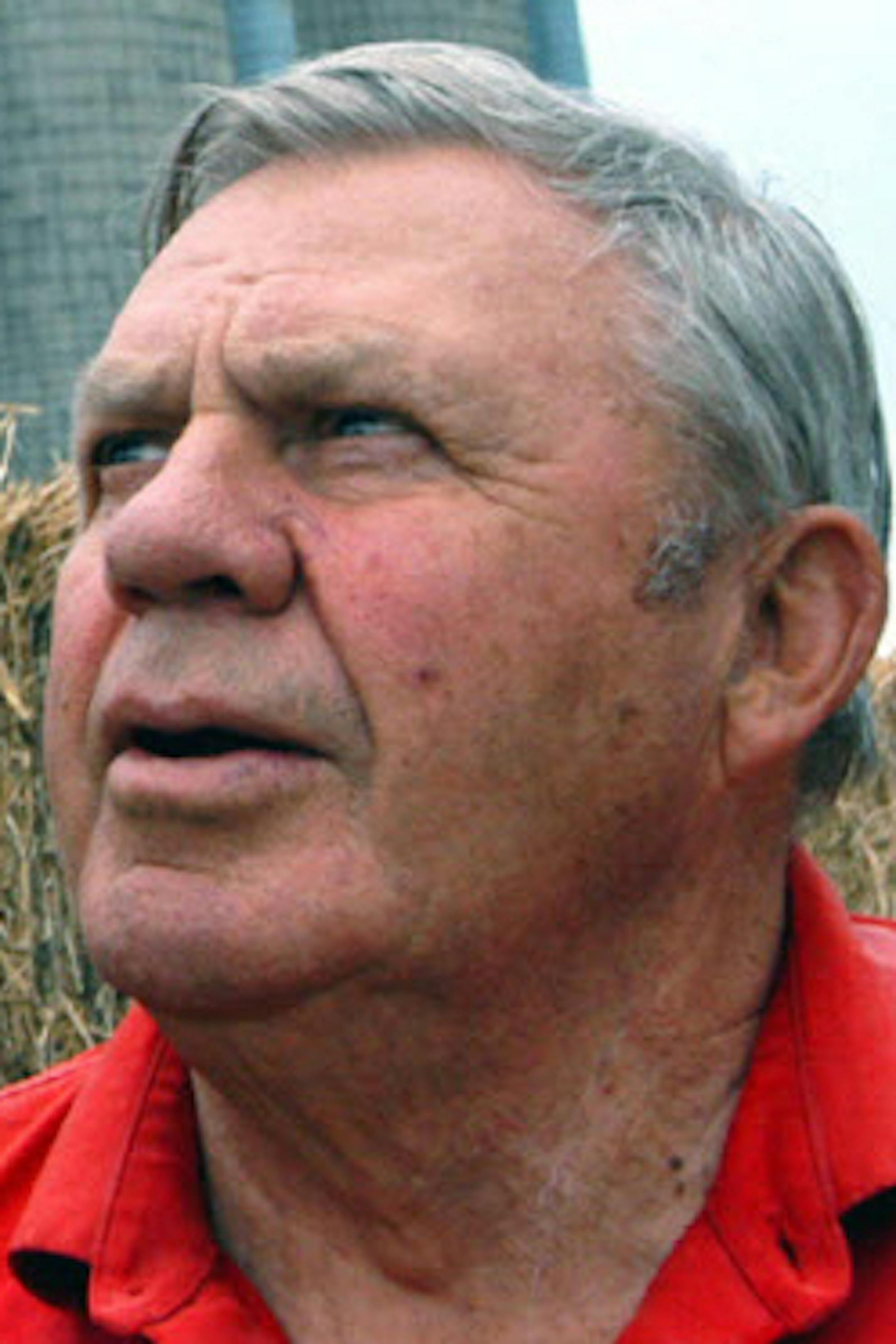
As free-spirited as they came, Charlie Berg ran the table as a legislator, by turns a DFLer, a Republican and an independent, the latter intentionally with a lowercase "i,'' as in, by Webster's definition, "self-reliant, liberated."
Berg, who died Jan. 22 at age 86, was both of these, and the Senate was better for his 26 years of service. A farmer from Chokio in the west-central part of the state, he possessed among his many fascinations wildlife and wildlife conservation, interests he argued were widespread in his profession.
That he farmed on land that once was the state's best pheasant range made him all the more interesting to me.
In 1982, some friends and I had incorporated Pheasants Forever, and soon thereafter proposed establishment of a state pheasant stamp, the purchase of which would be required by ringneck hunters. We wanted proceeds from stamp sales to help fund a pheasant resurgence in Minnesota, where the bird once proliferated.
Berg supported the idea, and eventually a Minnesota pheasant stamp came to be. But his conservation legacy extends much further, because it was his foresight that helped lay the groundwork for the Conservation Reserve Program (CRP), which was first included in the federal farm bill in 1985.
In 1983, President Reagan's Agriculture Department had announced a farming program called PIK, or Payment in Kind. This was a land-diversion plan intended to reduce production, because major grain commodities had been overproduced for a number of years, and prices were depressed.
"The problem,'' Berg said at the time, "is that PIK doesn't allow farmers to sow down permanent cover on the acres they idle. If they did, and if the state pheasant stamp becomes law, I think we can make some real progress with pheasants in Minnesota.''
Oddly — or not — one of Berg's closest friends and political allies in the Legislature was Bob Lessard of International Falls, himself a maverick who would hopscotch among party affiliations (Lessard is now a special assistant to DNR commissioner Tom Landwehr).


